Carton Boxes
Custom White Boxes
White board as a print base, or left blank for your own label. Cut to your product from 100 pcs per size and design, sample in 5 days, made in Dongguan.
Specifications
- Box Style
- Folding carton, lid-and-base or rigid — built to your product
- Material
- 300-400 g white card, or 157 g art paper over 1,200 g board
- Box Size
- Made to your product; custom sizes
- Printing
- CMYK / Pantone, printed outside and inside
- Surface Finishing
- Coated or uncoated; matte, gloss or soft-touch lamination
- Special Finishing
- Hot foil, emboss / deboss, spot UV
- Inserts
- Paper tray, foam, EVA or blister
- Minimum Order
- From 100 pcs per size and design
- Sample & Lead Time
- Sample in about 5 days; 10-20 working days after approval
White boxes, blank or printed, built to your product
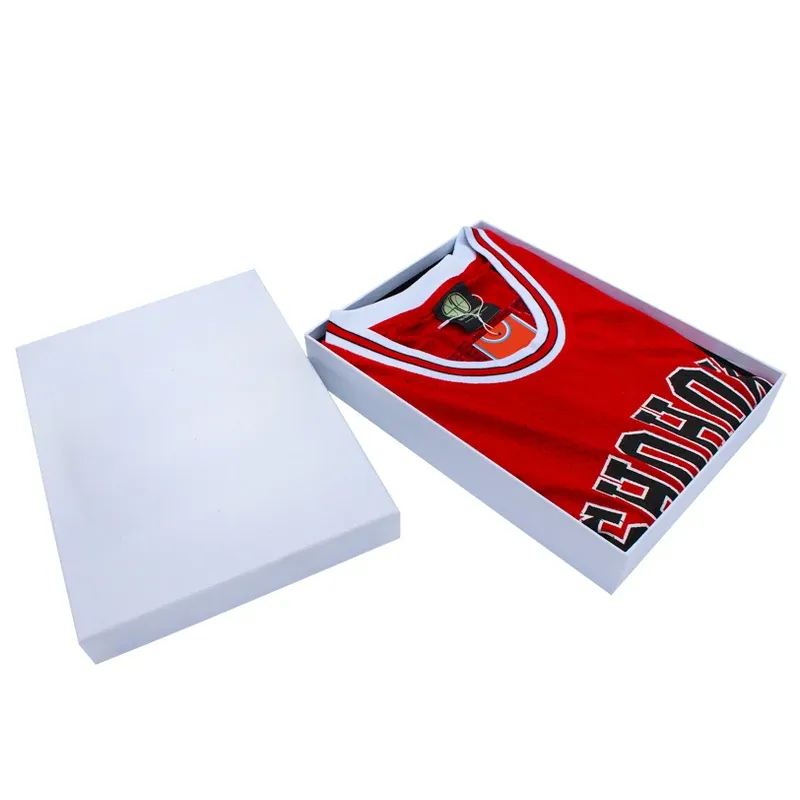
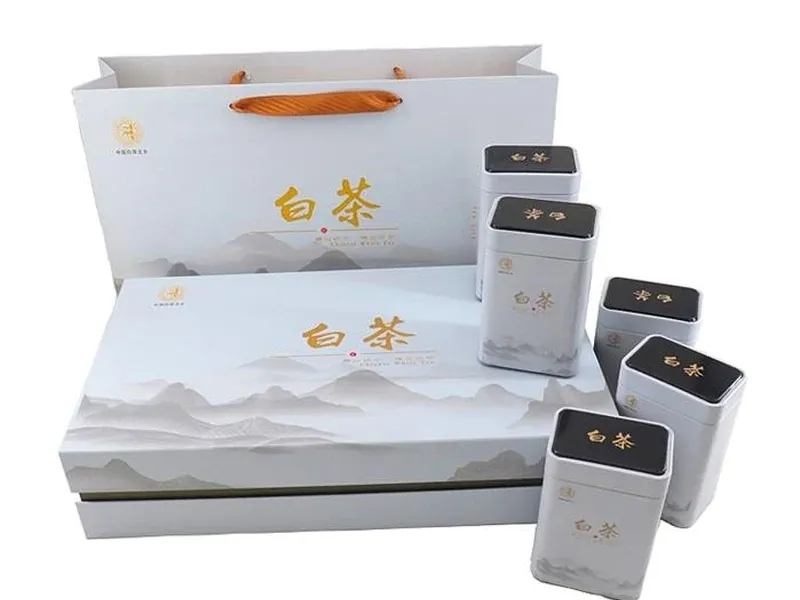
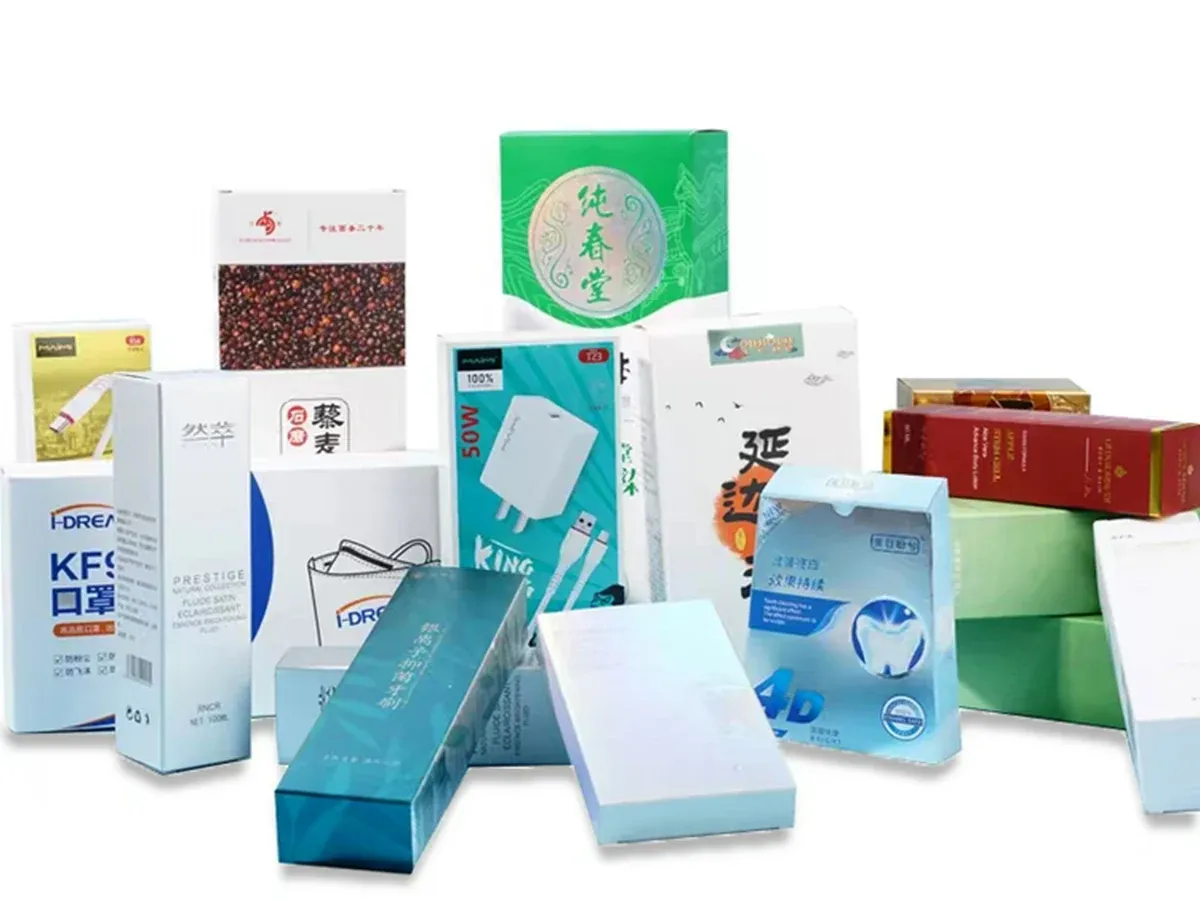
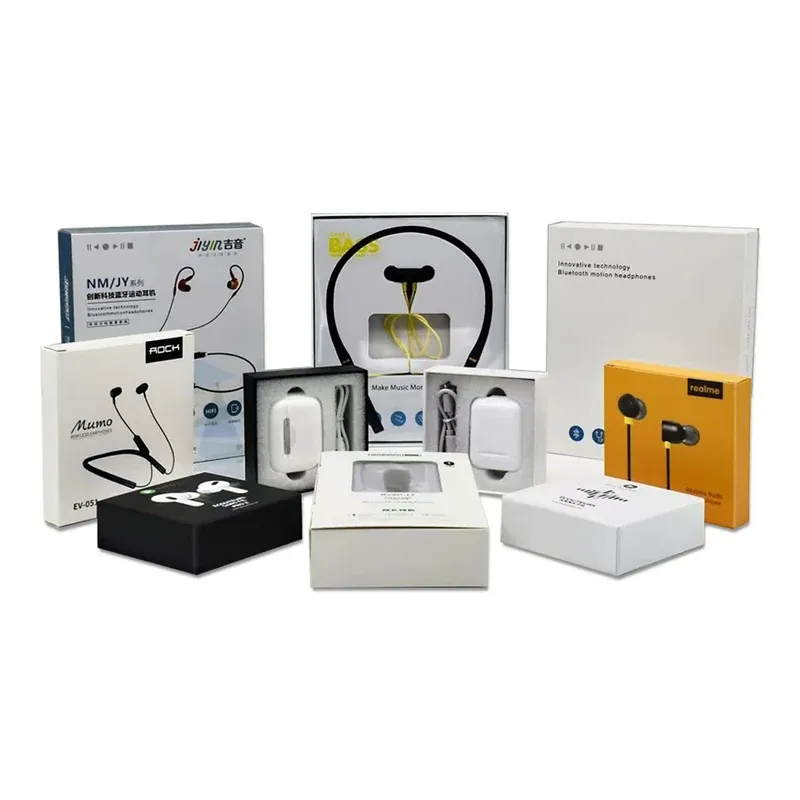
White packaging covers two different jobs. A blank box is unprinted board a brand finishes itself; a printed box uses the same white surface as the base for artwork, so colour reads closer to what was approved. Both are cut to your product, not to a catalogue size.
Construction and finishing
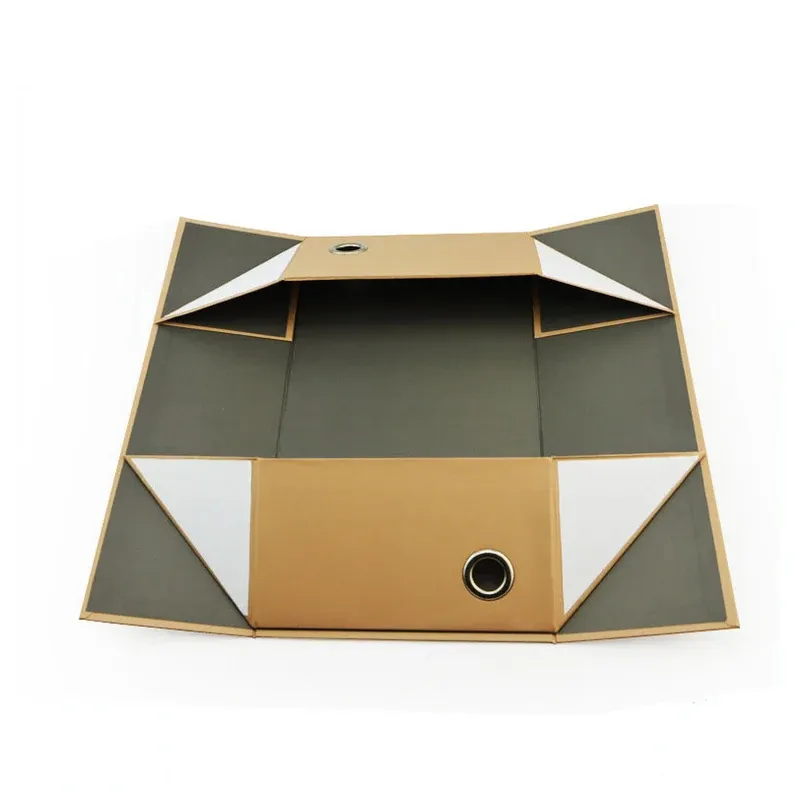
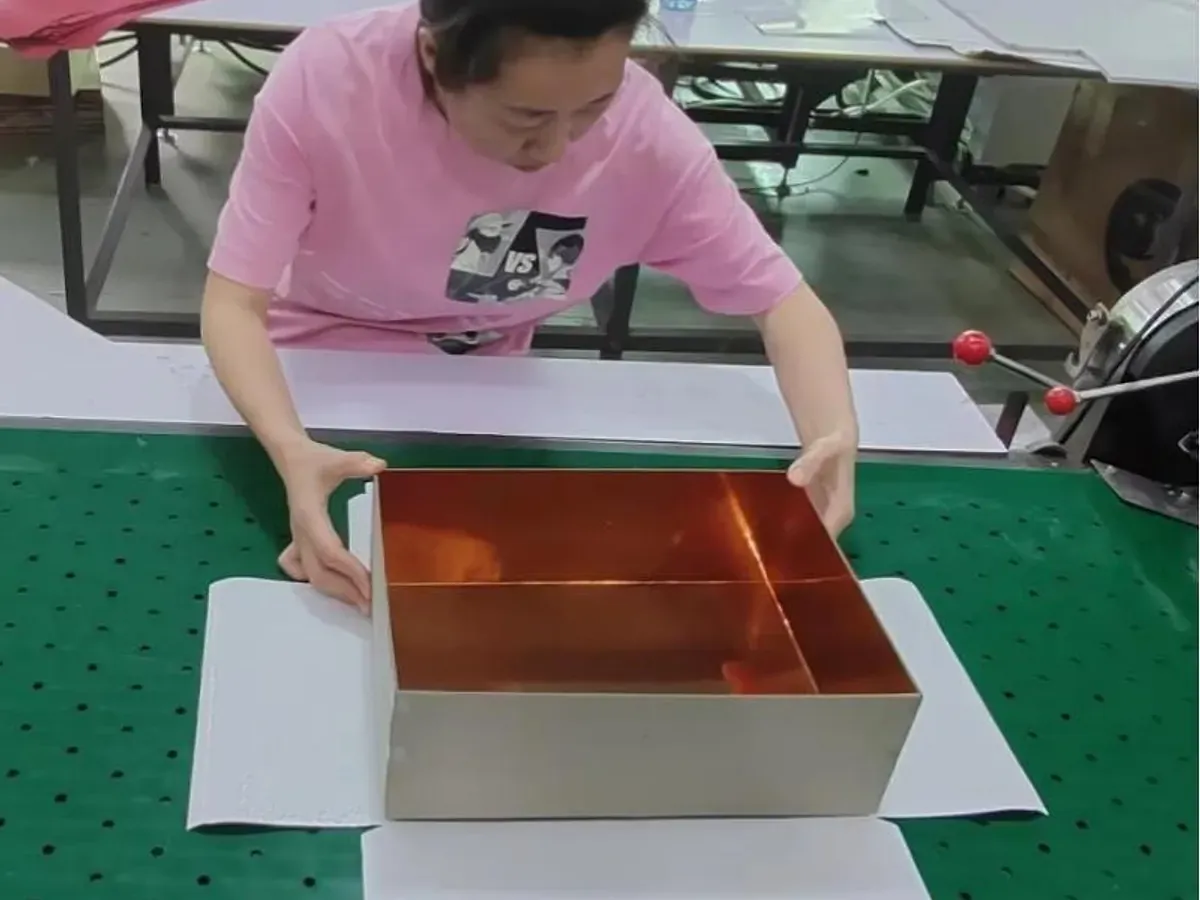
Folding cartons run on 300-400 g white card and ship flat. Where the box has to hold its shape, 157 g white art paper is wrapped over 1,200 g grey board. Printing is CMYK or Pantone, outside and inside, and the surface can stay uncoated, take a matte or gloss laminate, or a soft-touch film.
Blank or printed
The two routes differ only in the printing step. Blank board suits a brand that labels by hand, sells through markets that print locally, or wants a plain base for stickers and stamps. Printed board is what most retail cartons use, because a neutral white base keeps a brand colour closer to the swatch than brown kraft does.
The long version of this — blank versus printed board, which white board to pick, window options and how the sample works — is on our white boxes guide at boxeschina.com/white-boxes
Options you can choose
Material: 300-400 g white card, or 157 g art paper over 1,200 g board. Colour: CMYK or Pantone, printed outside and inside. Size: made to your product. Finishing: coated or uncoated, matte, gloss or soft-touch lamination, hot foil, emboss and spot UV. Insert: folded paper tray, foam, EVA or blister. Window: die-cut, open or film-covered.
Ordering your first white box
Six steps from your first message to delivery.
1. Product and size — send your product, its dimensions and any artwork you have. A sample of the product helps us match the cavity and the board weight.
2. Board and build — we confirm white card weight and whether the box is folding, lid-and-base or rigid, and whether the run is blank or printed.
3. Sample — a digital sample is free and takes about 5 days. Special finishing, an insert and courier are quoted separately.
4. Sample approval — you confirm board, colour and structure, and the lead time and shipping terms are fixed at that point.
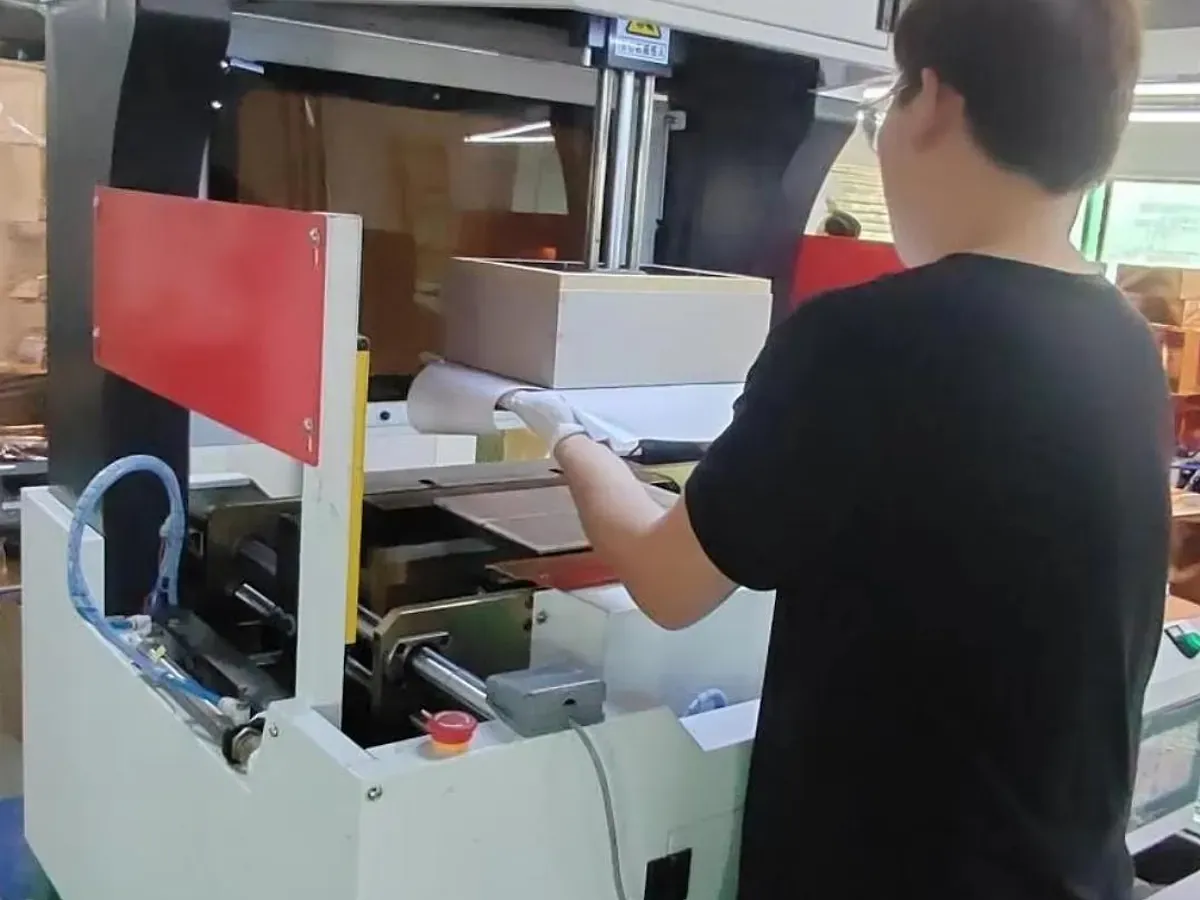
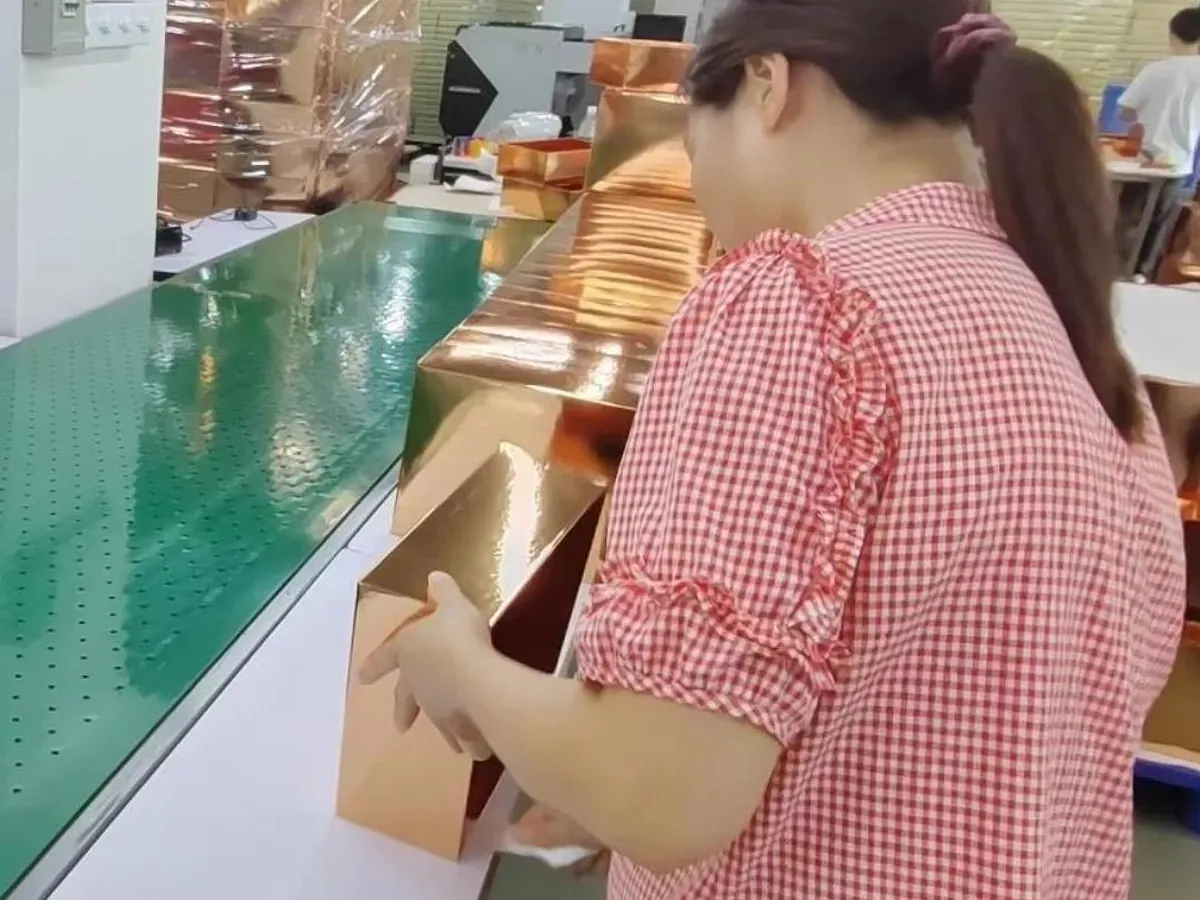
5. Mass production — the run is produced to the approved spec and inspected before packing; we keep the cutting die on file for reorders.
6. Shipping — we share tracking as it moves, by express, air or sea, and follow up after delivery.
 |  |  |
 |  |  |
White box FAQ
Quick answers to the questions white-box buyers ask us most.
1. What is the difference between blank and printed white boxes?
A blank box is unprinted board you label, stamp or print yourself. A printed box uses the same white board as the base and carries your artwork from our press. The board can be identical; only the printing step differs.
2. Does white board make colours look more accurate?
Closer than kraft, because the base is neutral. Bright colours still shift between coated and uncoated stock, which is why we send a printed sample on your board before the run.
3. Can white boxes be made rigid?
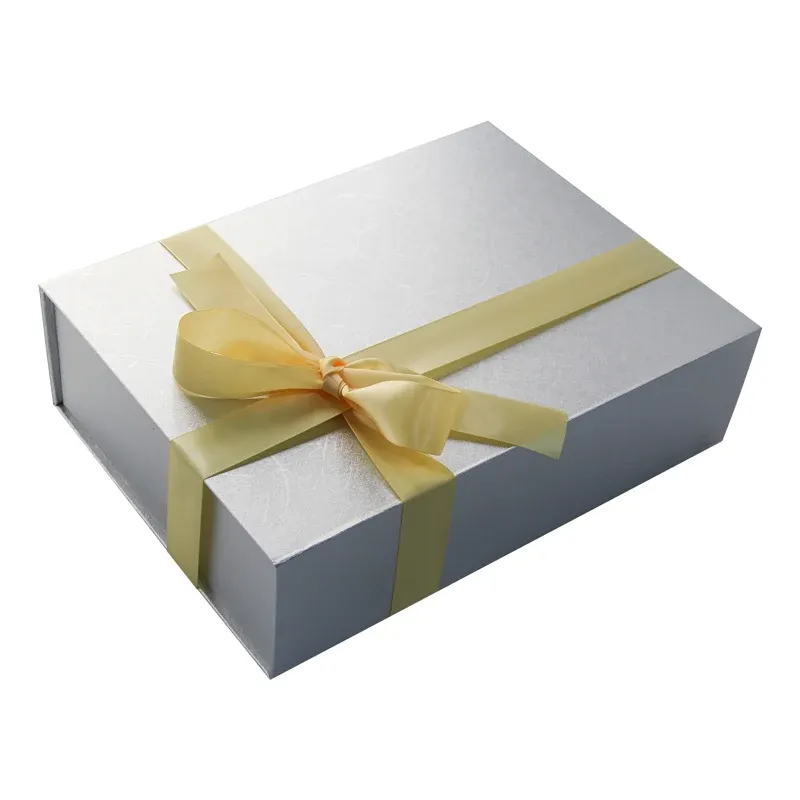
Yes. Folding cartons use 300-400 g white card directly; rigid boxes wrap 157 g white art paper over grey board, so the box holds its shape and the white stays on the surface.
4. Can I add a window or an insert?
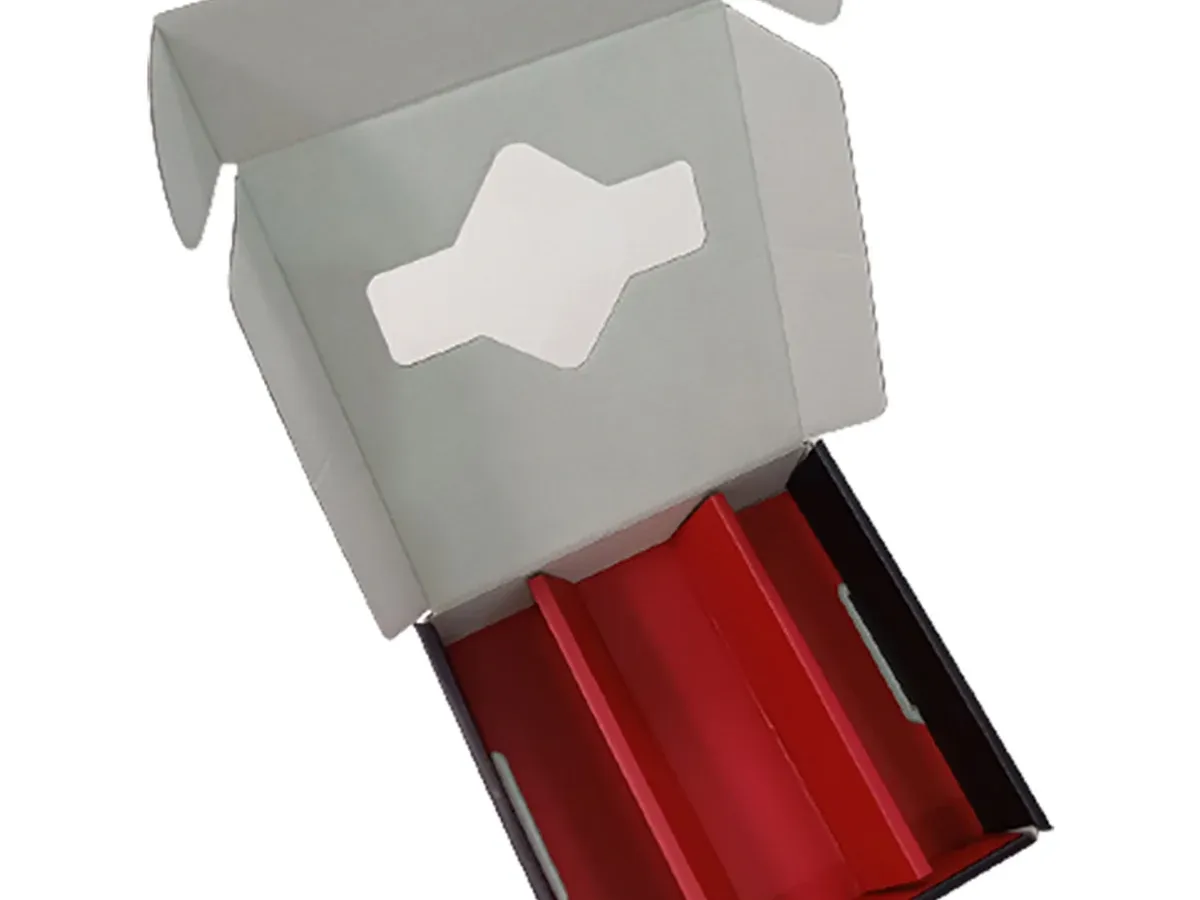
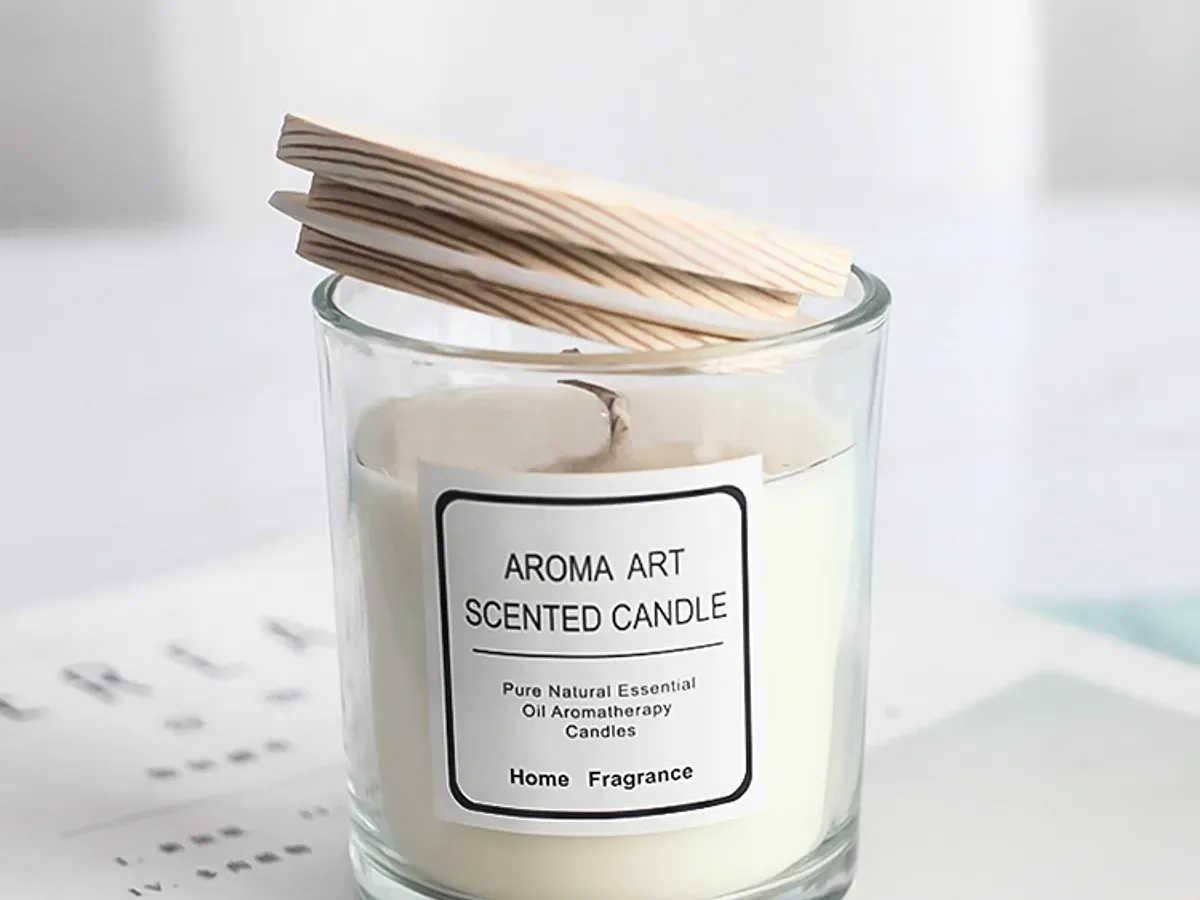
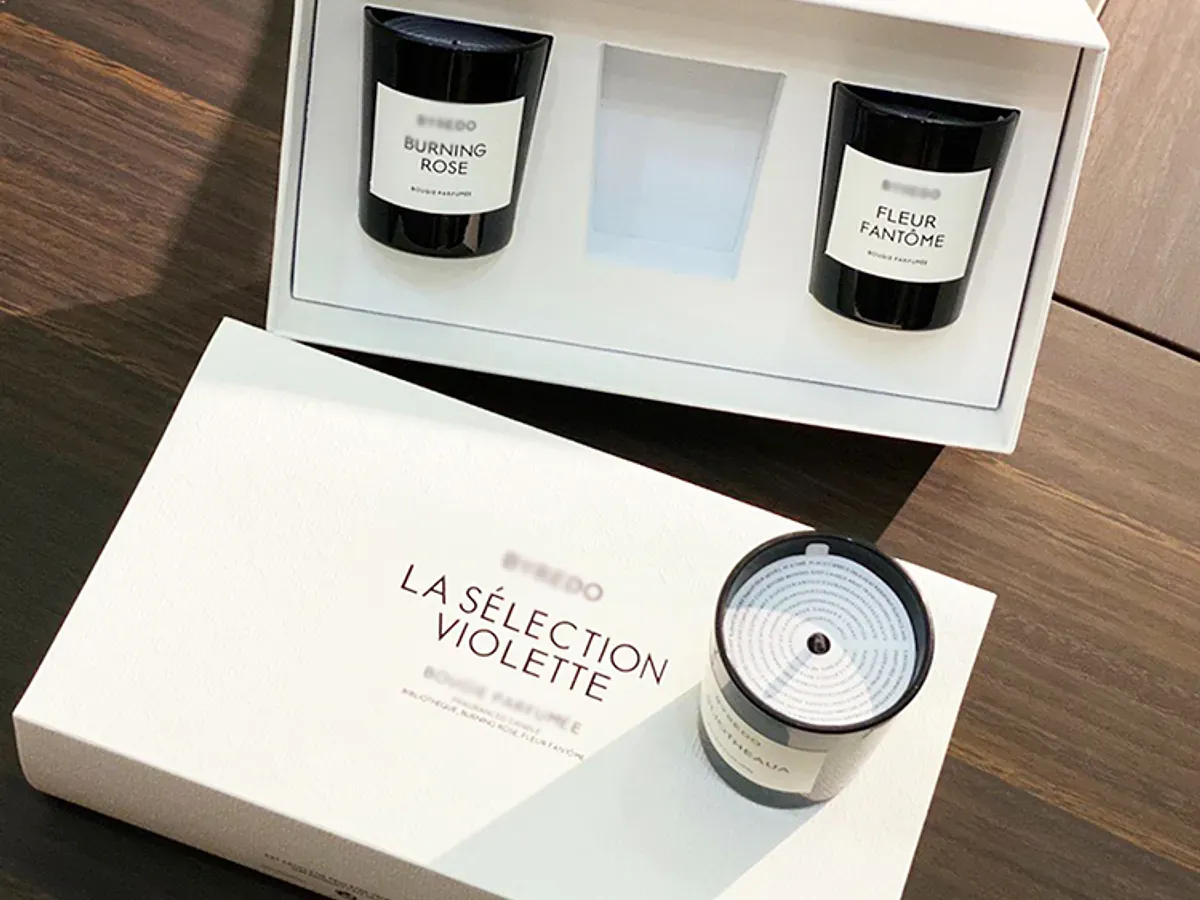
Both. A die-cut window can be left open or covered with film, and the insert can be a folded paper tray, foam, EVA or blister depending on what the product needs.
5. What is the minimum order and lead time?
From 100 pcs per size and design. A sample takes about 5 days; production runs about 10 to 20 working days after approval.