Buying Guides
White Rigid Boxes: Clean Surfaces, Endless Options
White rigid boxes for premium packaging, made in our Dongguan factory since 1998: MOQ from 100 pcs, free digital samples in about 5 days, AQL checked.
Opening
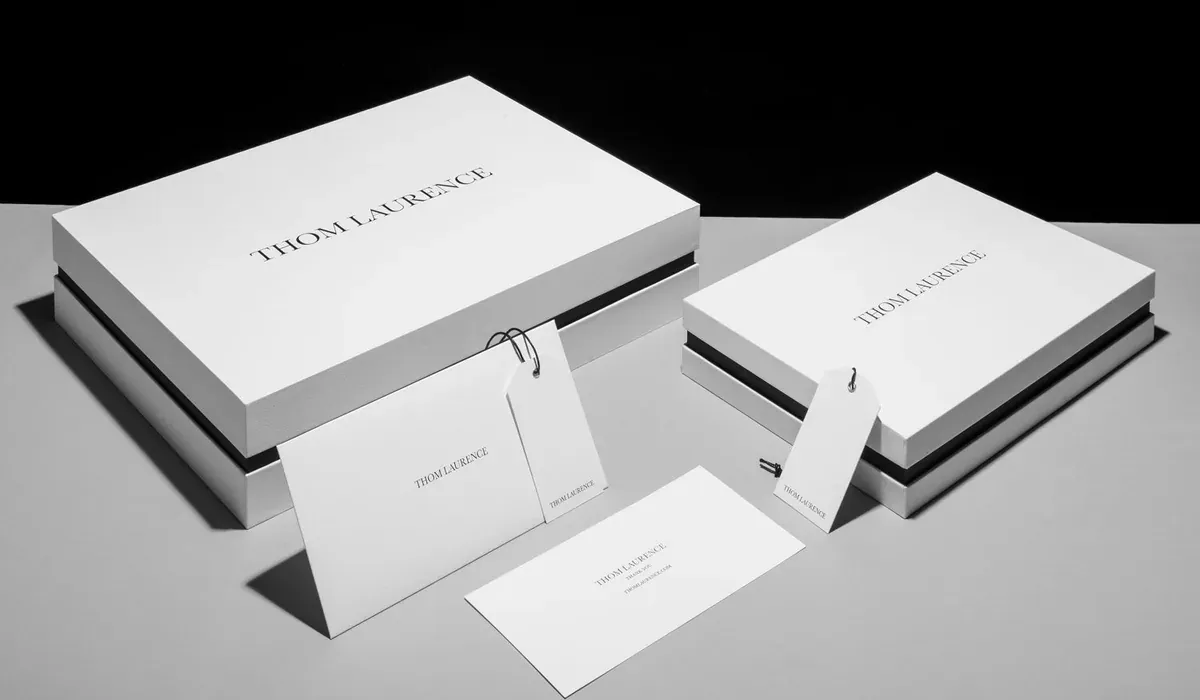
White rigid boxes make the boldest statement in packaging by refusing to shout. A clean white surface puts the product, the logo and the finish in charge, with nothing to hide behind. That honesty is also the risk: white shows every scuff, every fingerprint and every registration error that a dark or patterned box would forgive. Buyers who choose white for the right reasons get packaging that looks effortless; buyers who choose it by default get boxes that look unfinished.
Our factory in Humen, Dongguan has made paper packaging since 1998, and white rigid boxes are a regular part of that work, from cosmetics and jewelry to premium electronics and bridal gifts. White board needs cleaner handling, tighter print control and a steadier hand at every stage, and the team checks each of them on the real box before the run is approved. A free digital sample in about 5 days lets a buyer hold the real box, test the finish and approve the print before committing to a full run.
This guide walks through board, print, finishes, inserts and shipping for white rigid boxes, with the practical numbers a buyer needs to write a clear specification.
Why White Still Wins on the Shelf
White rigid boxes win on the shelf because the eye reads them as clean, honest and premium before it reads a word. In a row of dark and patterned boxes, a white box stands out by contrast, and the product inside it reads as carefully made. White also photographs well, which matters for brands that sell online and need the box to look good in a listing. The risk is sameness: white is so popular that a plain white box can disappear among other white boxes. The answer is not more color but better detail: a foil mark, a blind emboss or a colored insert that gives the eye one place to land.
What White Rigid Boxes Are Used For
White rigid boxes serve products where cleanliness and clarity are part of the promise. Cosmetics lead the list, from skincare sets to perfume, followed by jewelry, bridal gifts, premium electronics and medical devices. White suits products that the customer associates with purity, precision or care, and it suits brands that want the product to be the hero rather than the packaging. Our cartons have reached 80+ countries, and 50+ brands have put their name on our boxes, which keeps the white lines running across every market. The common thread is trust: a white box says the brand has nothing to hide.
White Board: Coated, Uncoated and Laminated
White board comes in three faces, and each prints and feels differently. Coated white board has a smooth, sealed surface that takes fine print and foil cleanly, which suits cosmetics and luxury goods. Uncoated white board has a soft, matte feel and a natural look, which suits artisan brands and products that lead with texture. Laminated white board adds a protective layer that resists scuffs and moisture, which suits boxes that travel far or sit on a shelf for months. The choice follows the product's life: a box that is opened once can be uncoated, while a box that is handled often needs the protection of a coating or a laminate.
Board Weight Behind a White Surface
The white surface is only the face; the board behind it does the structural work. A rigid box in greyboard near 1200 g gives the weight and crush resistance a premium white box needs, while the white face paper keeps the outside clean and bright. Inner trays and dividers run on card in the 300 to 500 g range, which folds cleanly and holds its crease. Face papers matter at this standard too: 157 g art paper takes fine print and foil cleanly, and a laminated face adds a smooth finish that fingers notice. The wrong board shows fast on white: too thin and the box feels flimsy, too thick and the lid will not seat.
Printing on White: Color That Stays True
White is the most honest surface for print, because it adds no color of its own to the ink. Colors print true on a white ground, which is why brands with a precise palette choose white board for their packaging. The discipline is in the detail: registration errors, color drift and ink spots all show on white, where a dark ground would hide them. Fine type stays legible on white, and reversed text reads cleanly, which gives the designer more freedom than a colored board allows. The practical answer is to proof on the real white board rather than on a screen, since the brightness of the face changes how every color reads.
Minimal Design and the Power of Empty Space
White boxes reward minimal design more than any other color, because empty space is part of the look. A single mark on the lid, a short brand name on the side, and a clean base read as confident, while a crowded white box reads as unfinished. The empty space also gives the product room to breathe when the box opens, which matters for cosmetics and jewelry where the product is small and delicate. The discipline is to remove one element at a time until the box feels calm rather than bare. A white box with nothing on it is a blank; a white box with one strong mark is a brand.
Foil and Embossing on White Board
Foil and embossing earn their place on white board, because the clean surface gives them nothing to compete with. Gold foil on white reads as classic luxury, silver foil reads as modern and precise, and a blind emboss adds depth without adding color. The discipline is restraint: one foil element on the lid reads as premium, while foil on every panel reads as noise. Embossing works best on a single mark or a short line of type, where the light and shadow do the work. Test the finish on the real white board before approving the run, since foil and emboss behave differently on coated and uncoated faces.
Keeping White Boxes Clean in Production
White boxes demand cleaner production than any other color, because every mark shows. About 100 staff work across our 5,000 m² floor, and the white box lines run with extra care: clean benches, fresh gloves at the assembly stage, and finished boxes packed promptly so they do not gather dust. Ink smudges, glue marks and fingerprints that would pass on a dark box fail on white, so the checking step is longer and the rejection rate is higher. That discipline is the reason our white box runs repeat: a customer who opens a spotless white box trusts the product inside it before reading a word.
White Versus Kraft: An Honest Comparison
White and kraft are opposite answers to the same question, and the honest comparison helps a buyer choose. White reads as clean, premium and precise, which suits cosmetics, jewelry and electronics. Kraft reads as natural, honest and eco, which suits food, artisan goods and brands that lead with sustainability. White shows marks and needs cleaner handling; kraft hides scuffs and forgives rough treatment. White holds accurate color; kraft warms every ink that sits on it. Neither is better in general. The right choice follows the product, the market and the story the brand wants to tell, not the fashion of the season.
Lid and Base, Shoulder and Drawer in White
Three structures dominate white rigid boxes, and each suits a different product. Lid and base is the classic: simple, sturdy and easy to open, which suits cosmetics and small gifts that the customer handles often. A shoulder box adds a reveal step, with an inner tray that rises as the lid lifts, which suits presentation pieces and festive editions. A drawer box slides open like a small chest, which suits products that the customer stores in the box and opens repeatedly. The choice follows the product's use, not its color alone. A skincare set opens every day; a bridal gift opens once. Match the structure to how often the customer will open it.
Inserts That Match a White Box
The insert is the first thing the customer sees when a white box opens, so its color sets the tone. A white insert keeps the whole box in one calm family, which suits cosmetics and bridal gifts. A dark insert makes a pale product stand out, while a colored insert adds a single accent that the eye remembers. The material follows the product: velvet-lined paperboard trays look refined, EVA foam grips precisely, and die cut card inserts are the economical option for flat items. Whichever material you choose, test the insert with the real product, since the contrast between the insert and the product decides how the reveal feels.
FSC-Ready White Board Options
White board buyers often ask about sourcing first, because the customers for cosmetics and jewelry ask where the packaging comes from. FSC-ready board is available for buyers who need chain of custody paperwork, and it pairs naturally with the honest wording that premium brands prefer. Keep the inner faces that sit near the product plain and unprinted, with no loose fibers, so nothing migrates onto cosmetics or jewelry. Raise any specific material statements your market needs at the quotation stage, because the board and adhesive choices follow from them. A clean sourcing story also helps a premium brand justify its price.
Quality Checks for White Surfaces
Every lot is inspected to AQL before it leaves our floor, and white boxes earn two extra checks beyond the standard pass. The first is a surface check under bright light, because white shows scuffs, smudges and fingerprints that a dark box would hide. The second is a print check against the approved proof, since registration errors and color drift show plainly on a white ground. Dimensions are checked against the specification, and the lid fit is tested on every box in the sample pull. That discipline is the reason our white box runs repeat: across 1,000+ cases, the orders that come back are the ones where every check was run.
Packing White Boxes Without Scuffs
White boxes need gentler packing than any other color, because a scuff that would pass on kraft fails on white. We pack 100 pcs per master carton as the standard, and each carton is capped at 22 kg so handlers can lift it safely and stacking stays honest. Tissue paper between layers stops the boxes from marking each other, and cushioning at the corners absorbs the drops that land first. Mark the cartons with orientation arrows and the product code, and keep the master carton plain and unbranded, since a printed outer carton adds cost and draws attention on long routes. For air freight, the same packing applies, with tissue between layers doing the extra work against vibration.
Cost Drivers in White Rigid Box Orders
White rigid boxes cost more per unit than kraft boxes at the same size, and the honest reason is handling and rejection: white board needs cleaner production, longer checking and a higher rejection rate. There are real levers on the buyer side, though. A shared box size across the range cuts tooling, a standard white board shortens the lead time against a special import, and one pass for all finishes avoids a second setup charge. Our annual output is around US$10 million, which keeps the white box lines running at a stable cost rather than spiking with the board market. The cheapest white box is rarely the right one: a box that arrives scuffed costs the sale.
Common Mistakes With White Rigid Boxes
The easiest mistake to make is to choose white by default, without a reason, which leaves a box that looks blank rather than premium. The second mistake is to crowd the lid with copy, because a white surface has room for one mark and one line, not a paragraph. The third is to skip the surface check, since white shows every scuff and fingerprint that a dark box would hide. The same habit prevents all three: test the real box, with the real product, under the real light it will sit in, before the bulk order is placed.
When White Is the Wrong Choice
White is not the right answer for every product, and saying so saves both sides a failed run. Products that ship through rough handling, such as heavy goods and long sea freight, often suit kraft or a dark color that hides scuffs. Products with a rustic or artisan story may read as more honest in kraft than in white. Food products with rich colors may need a dark ground to make the product look appetizing. In those cases the honest answer is a colored board with a white insert, or a kraft outer with a white inner. The color should follow the product's real life, not the fashion of the season.
MOQ, Sampling and Production
The ordering sequence is simple. MOQ is from 100 pcs for every process, so a first run can stay small while the brand tests the market, and the unit price falls as the quantity grows. Samples take about 5 days, and a free digital sample lets the buyer check the surface, the print and the finish on the real board before bulk is approved. Production takes 10-20 working days after sample approval, with hand assembled inserts and multi-part sets at the longer end of that range. Payment starts with a 30% deposit, and every order is verified to AQL inspection standards before dispatch.
Frequently Asked Questions
Does white board show fingerprints more than colored board?
Yes, white board shows fingerprints more than colored board, because skin oil darkens against a pale surface. A matte laminated face resists fingerprints better than an uncoated face, and soft touch lamination hides them well too. The packing step matters: clean gloves at assembly and tissue between layers keep the boxes spotless until the customer opens them.
What print method keeps colors true on a white surface?
Offset printing keeps colors true on a white surface, because the white ground adds no color of its own to the ink. Digital printing suits short runs and proofs, though the color can shift slightly between batches. Whichever method you choose, proof on the real white board rather than on a screen, since the brightness of the face changes how every color reads.
How do you keep a white box clean during packing and shipping?
Clean handling starts on the production floor, with clean benches, fresh gloves at assembly and finished boxes packed promptly. Tissue paper between layers stops the boxes from marking each other, and the master carton is kept plain and dry. At the destination, store the cartons off the floor and open them with clean hands. A spotless white box is a handling achievement, not an accident.
Is matte or gloss lamination better on a white rigid box?
Matte lamination suits most white boxes, because it gives a calm, premium surface that resists fingerprints and hides fine scuffs. Gloss lamination adds shine and makes colors pop, though it shows fingerprints and scratches more readily. The choice follows the product: matte for cosmetics and jewelry, gloss for photographic prints and bold retail graphics.
Can white board carry a full-bleed photographic print?
Yes, white board carries full-bleed photographic print well, because the bright ground keeps colors true and the coated surface holds fine detail. The edges need care: a full-bleed print must extend past the trim line so no white edge shows after cutting. Ask to see a full-size proof on the real board, since a small proof hides the color drift that a large panel reveals.
What insert color pairs best with a white box?
A white insert keeps the whole box in one calm family, which suits cosmetics and bridal gifts. A dark insert makes a pale product stand out, while a single colored insert adds an accent the eye remembers. The choice follows the product rather than the box: match the insert to the product's color and let the white box frame the pair. Test the combination with the real product first.
Does white packaging suit every product category?
No, white suits products where cleanliness and clarity are part of the promise, such as cosmetics, jewelry and electronics. Heavy goods that ship through rough handling often suit kraft or a dark color that hides scuffs, and rustic products may read as more honest in kraft. The color should follow the product's real life, not the fashion of the season.
Conclusion
A white rigid box earns its place when it arrives spotless, prints true, and opens to a product that looks as good as the box. The board behind the white face, the discipline of clean handling, and the restraint of the design decide whether it does. Choose well on all three and the box looks effortless rather than empty. To start with a sample on your own product, Request a Wholesale Quote and tell us the product size, the finish you prefer and the market it will sell in.