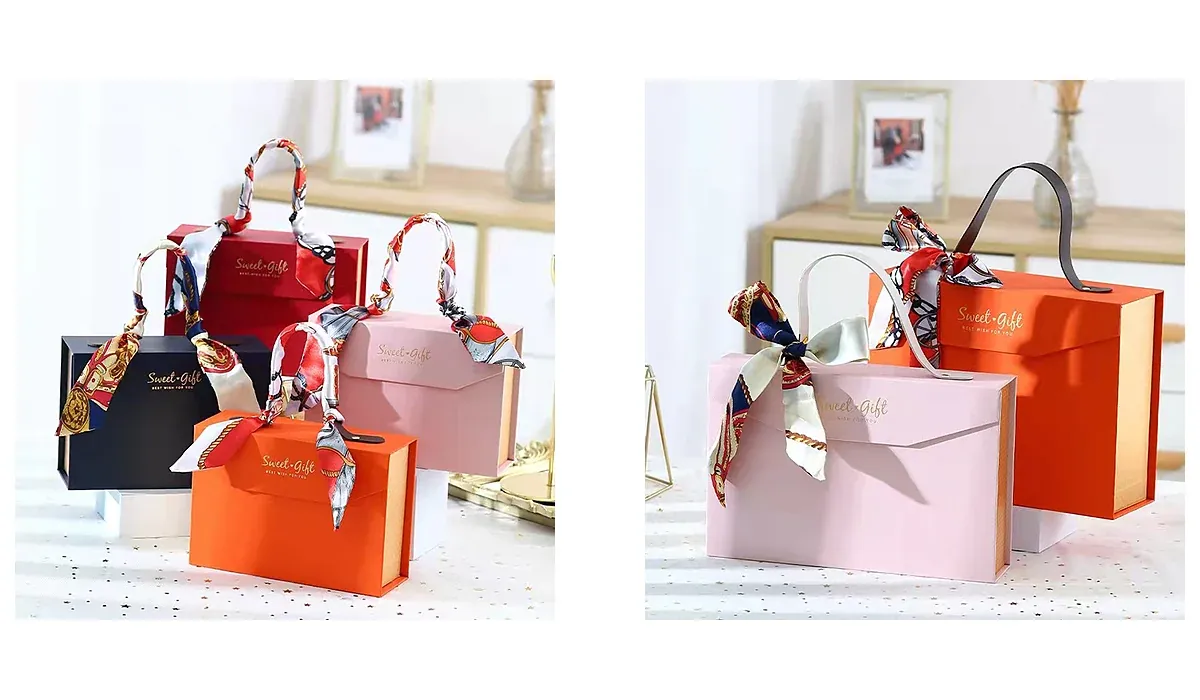
Buying Guides
What Are Rigid Boxes Made Of? Board to Finish
What are rigid boxes made of? Greyboard cores, printed wraps, linings, and inserts, made in Dongguan since 1998. MOQ from 100 pcs, samples in about 5 days.
Opening
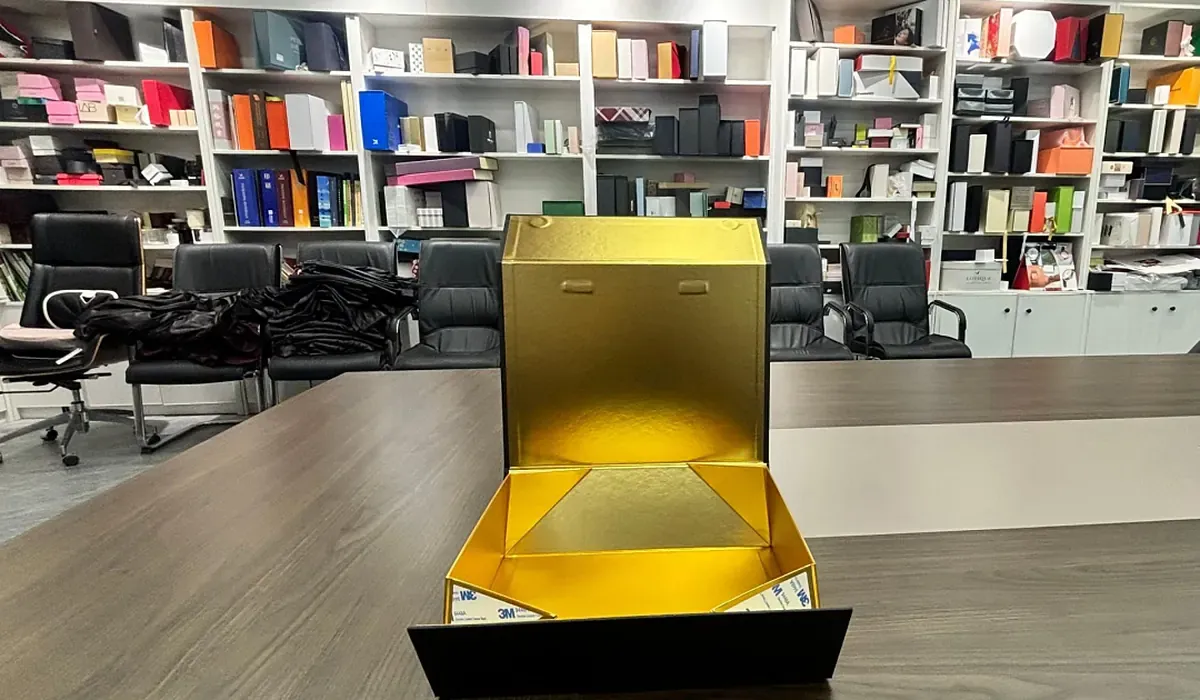
A rigid box feels like one solid object, carved rather than built. What are rigid boxes made of, underneath that impression? Layers, mostly: greyboard for the skeleton, printed paper for the skin, a plain lining inside, and a set of small parts — magnets, ribbon, inserts — that make the box work. This guide takes those layers apart one by one, so a buyer can specify materials that match the product, the price, and the shelf it will sit on.
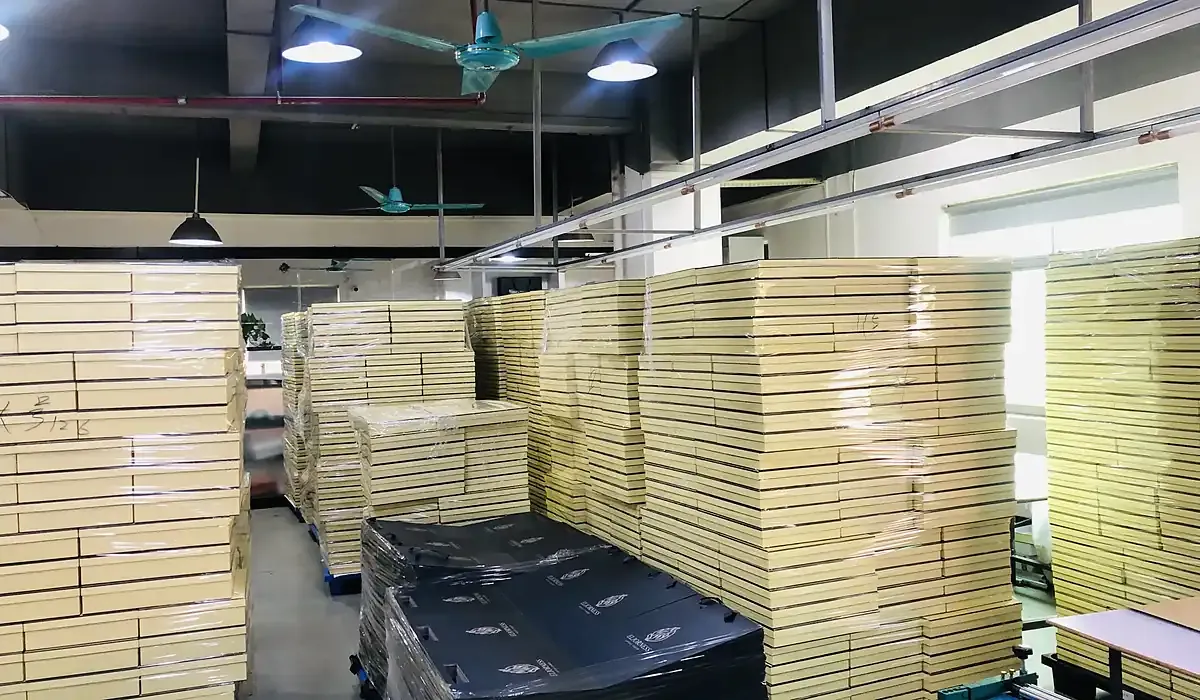
Our factory in Humen, Dongguan has made paper packaging since 1998, and rigid boxes are the most material-sensitive line on the floor. A mailer forgives a small change in board grade; a rigid box shows it in the corners, the lid fit, and the feel of the close. That is why material choices for rigid boxes are made with the bench team, not from a catalog alone.
No description replaces holding the box, which is why a free digital sample in about 5 days is the sensible first step. Open and close the lid, run a finger along the corners, and feel the weight in the hand. The sections below explain what each layer is, what it does, and what to ask for.
Greyboard: The Hidden Skeleton
What are rigid boxes made of at their core? Greyboard, a dense board pressed from recycled fiber, which gives the walls their weight and crush resistance. A gift rigid box usually carries a core near 1200 g, thick enough to feel solid and thin enough to wrap cleanly around the corners. Thinner board suits small boxes and lighter goods, while thicker board suits large presentation boxes that must hold their shape on a shelf. The greyboard never shows on the finished box, which is why buyers rarely ask about it — and why it deserves the first question, not the last.
The Wrap Paper Outside
What are rigid boxes made of on the outside? A printed wrap, usually 157 g art paper, glued over the greyboard and folded around the edges. The wrap carries the brand: the color, the typography, the foil, and the finish the customer touches first. Art paper suits this job because it takes fine print and foil cleanly and folds around corners without cracking. The wrap is printed flat, before any board is cut, and the design is planned around the edges so no logo falls where the paper turns the corner. A wrap that is too light shows the board beneath; one that is too heavy fights the fold.
The Lining Inside
The lining is the paper that covers the inside faces of the box, and it sets the tone of the opening moment. Most linings are plain, in white or a soft tone that matches the wrap, printed lightly or left unprinted so the product takes the visual center. The lining paper is lighter than the wrap, since it needs to lie flat and smooth rather than carry heavy print. A dark lining suits jewelry and watches, where contrast makes the product stand out, while a pale lining suits cosmetics and food gifts. Whatever the color, the lining must stay clean and free of loose fibers where it sits near the product.
Board Grades and Thickness
Greyboard comes in grades as well as thicknesses, and the grade decides how the board behaves on the bench. A dense, even board cuts cleanly, wraps without bubbling, and holds a corner stay for years. A loose or uneven board warps as the adhesive dries and shows its flaws in the finished box. Buyers who need chain of custody paperwork can specify FSC-ready board for the core, the wrap, and the lining alike. Thickness is chosen with the box size: a small box in heavy board feels clumsy, while a large box in light board feels flimsy. The bench team advises on the balance for each size.
Magnets, Ribbons, and Metal Parts
Small parts do quiet work in a rigid box. Magnets, seated in pockets cut into the greyboard, give the lid its satisfying close and disappear completely under the wrap. Ribbons serve as pulls, hinges, and decoration: a ribbon pull lifts the product out of a snug insert, and a ribbon hinge joins a lid to its base on a book-style box. Metal parts are rarer, but clasps, corner protectors, and nameplates appear on presentation boxes where the hardware is part of the design. Each part is fitted before wrapping where possible, so nothing shows on the finished surface except what the design intends.
Foam, Pulp, and Paper Inserts
What are rigid boxes made of on the inside, beyond the lining? The insert, and the material depends on the product. Card inserts cut from board in the 300–500 g range suit light products and keep the cost down. EVA foam grips precisely and absorbs shocks, which suits electronics and glass. Molded pulp cradles round or irregular shapes and reads as sustainable, though it needs a moisture check for food-adjacent goods. Velvet-lined paperboard trays look refined and hold the product at display height. The insert is always tested with the real product, since a nominal size from a catalog rarely matches the product in the hand.
Lamination Films
Lamination is a thin film laid over the printed wrap, and it changes both the look and the life of the box. Matte lamination gives a calm, premium surface that resists fingerprints and photographs well. Gloss lamination deepens colors and adds shine, which suits bold retail designs. Soft touch lamination adds a velvety feel that suits gift editions, though it shows scuffs more readily on dark colors. The film also protects the print from rubbing in transit and from the handling of a long shelf life. Lamination is chosen with the design, not after it, because the film shifts the color of the print beneath.
Offset printing lays down a thinner, more uniform ink film, so large panels avoid the mottling that heavy digital coverage can leave.
Foils and Specialty Finishes
Foil stamping lays a thin metallic layer onto the wrap, usually on the lid or the front panel where the light catches it. Gold and silver are the classic choices, but copper, rose gold, and holographic foils suit brands that want a distinct shelf presence. Embossing raises a motif so it can be felt as well as seen, and it pairs well with foil on a single mark. Spot UV adds a glossy patch to one element, such as a logo or a pattern, against a matte ground. Each finish is applied to the flat wrap before wrapping, and each is checked on the sheet, since a finish fault cannot be corrected once the paper is on the board.
Adhesives That Hold for Years
Three adhesives hold a rigid box together, and the box is only as good as the weakest of them. The first bonds the wrap to the greyboard. The second holds the corner stays that keep the walls square. The third seats the magnets, the ribbon, and the insert. Each adhesive is chosen for its surfaces and for the life the box must lead: a gift box opened once needs less than a keepsake box opened for years. Humidity is the enemy of every adhesive, so the bond is tested on the finished sample by flexing the corners and lifting the lid repeatedly. A bond that survives that test will survive the shelf.
Hinges, Shoulders, and Neck Walls
The moving parts of a rigid box are paper and board, not hardware. A hinge is a scored fold in the wrap and board that lets a lid open like a book cover, and its life depends on the score depth and the paper grain. A shoulder wall is a raised inner wall on the base that guides the lid into place and stops it sliding sideways. A neck wall, or inner rim, sits inside the lid and gives the close its friction fit on boxes without magnets. Each of these is built from the same greyboard as the box, wrapped to match, and fitted to its own lid or base rather than to a drawing.
Paper Over Board vs Printed Board
Most rigid boxes are paper over board: a printed wrap glued onto greyboard. The alternative is printed board, where the artwork is printed directly onto a heavy card that is then folded and assembled without a separate wrap. Paper over board gives the richest finish, because the wrap takes foil, embossing, and lamination that direct print cannot match. Printed board is simpler and cheaper, and it suits boxes where the design is bold and the finish is plain. The choice is usually decided by the finish: if the design needs foil or soft touch, paper over board is the route, and the extra steps are part of the price.
How Weight Signals Value
Weight is the first quality signal a customer receives, before the lid opens. A rigid box that feels substantial reads as premium, while a light one reads as cheap, even when the print is identical. The weight comes mostly from the greyboard, with the wrap, the lining, and the insert adding smaller shares. That is why board thickness is a branding decision as much as a structural one: a heavier board costs more in material and freight, and it pays back in the customer's first impression. The balance is set by the retail price, since a box should feel like it belongs to the product it holds.
Material Choices That Age Well
A rigid box is often kept long after the product is gone, so materials should age gracefully. A matte lamination resists the fingerprints and scuffs of years on a shelf. A neutral lining stays clean-looking longer than a bright one. Adhesives that hold for years matter more than adhesives that hold for a season, and corner stays that stay square keep the box looking made rather than worn. Fading is the slow enemy: deep colors hold their richness under shop lights, while pale pastels wash out. The materials that age best are the ones chosen for the box's second life as a keepsake, not only for its first day on the shelf.
What Makes a Rigid Box Recyclable
A rigid box recycles best when its materials can be separated or processed together. Paper over board, with a paper lining and a card insert, goes into the paper stream as one piece in most household systems. Magnets complicate the picture: a small magnet can be pulled out before recycling, and buyers who want a clean claim should say so on the box. Foil and lamination are thin enough to pass through most paper recycling, though the rules vary by market. The honest approach is to design for the market the box will ship to, and to print only the claims the paperwork supports.
Matching Materials to the Product
What are rigid boxes made of when the product is heavy and fragile? The answer starts with the board grade, not with the finish. A heavy product needs a thicker core and a deeper insert, while a fragile one needs cushioning inside the box as well as strength in the wall. Lots are checked against AQL before dispatch, with the wrap, the corners, the lid fit, and the magnets all covered. The lesson from 1,000+ cases is consistent: a material fault found by the customer is a test the factory skipped. For shipping, the working pack is 100 pcs per master carton, with each carton kept to 22 kg.
The Floor Behind the Materials
Materials are only as good as the floor that handles them. The Humen site runs 5,000 m², and the team of about 100 staff covers printing, cutting, wrapping, assembly, and packing, so a material question is answered by the bench that will use the board. Output for the year runs to around US$10 million, and shipments from the floor reach 80+ countries, carrying the names of 50+ brands. That steady volume keeps board supply reliable and the bench skills sharp, run after run.
MOQ, Sampling and Production
Ordering starts with the product, the board grade, and the finish. The minimum order is 100 pcs for every process, and the unit price drops as the quantity grows, so a first run can test a material combination without a large commitment. A free digital sample arrives in about 5 days, giving the buyer a real box to hold and check before bulk is approved. Production takes 10-20 working days after sample approval, with hand-assembled sets at the longer end. Payment begins with a 30% deposit, and dispatch follows an AQL inspection on every order.
If a box fails in normal use within the guarantee period, the 60-day guarantee sets out how the issue is reviewed and corrected.
Frequently Asked Questions
How thick is the greyboard inside a typical gift rigid box?
A typical gift rigid box carries a greyboard core near the heavy end of the range, thick enough to feel solid, thin enough to wrap cleanly. Small boxes use thinner board, large presentation boxes thicker board, so the grade follows the size and the weight. The bench team advises, since a small box in heavy board feels clumsy and a large box in light board feels flimsy.
Does the lining paper inside a rigid box affect how it smells?
Yes, and the effect is strongest at the first opening. Fresh paper and adhesive carry a faint smell that fades within days, and a closed box holds it longer than an open one. Uncoated linings breathe more than coated ones, so the smell clears faster. If the product is scented, the lining should stay neutral, since a strong paper smell competes with it. Airing the boxes before packing helps.
Can a rigid box use a printed board instead of a paper wrap?
Yes, and the choice comes down to finish. Printed board carries the artwork directly on heavy card, which suits bold designs with a plain finish and keeps costs down. Paper over board gives the richer result, because the wrap takes foil, embossing, and lamination. If the design needs a metallic mark or a soft touch surface, the wrap is the route.
What holds a ribbon pull in place inside a rigid box lid?
A ribbon pull is anchored under the lining or the insert, with its free end left loose for fingers. The anchored end is glued to the greyboard before the lining goes on, so the bond stays hidden. Length matters: too short, and fingers cannot catch it; too long, and it tangles with the product.
Why do some rigid boxes feel heavier than others at the same size?
The difference is the board grade, not the size. A box with a heavy greyboard core feels substantial, while the same size in thinner board feels light, even when the wrap and lining match. Magnets, thick inserts, and metal parts add smaller shares. Weight is also a branding choice: a heavier board costs more, and it pays back in the customer's first impression.
Is a foil finish on a rigid box lid harder to recycle than plain paper?
Only slightly. Foil stamping lays a thin metallic layer on the wrap, and most paper recycling accepts it. The foil is a tiny share of the box by weight, and it breaks down with the fiber. Rules vary by market, so check any recyclability claim for the country the box ships to. A paper wrap is the simplest case, but a single foil mark rarely changes the outcome.
Which insert material suits a heavy glass jar inside a rigid box?
EVA foam is the usual choice, because it grips the jar, absorbs shocks, and holds its shape. Molded pulp is the sustainable alternative, cradling round shapes well, though it needs a moisture check. A heavy card insert can work for a squat jar with a flat base, but it gives less cushioning than foam. Test the insert with the real jar, including a drop test on the finished sample.
Conclusion
A rigid box is layers pretending to be one solid object: greyboard for the skeleton, wrap for the skin, lining for the inside, and small parts that make the close satisfying. The materials matter most where they are least visible, in the board grade, the adhesive, and the corner stay. Choose them for the product, the shelf life, and the second life as a keepsake. To test a material set on your own product, Request a Wholesale Quote with the box size, the product weight, and the finish you have in mind.