Buying Guides
White Mailer Boxes: Clean Looks, Careful Choices
White mailer boxes from our Dongguan factory since 1998: bright board, crisp print, clean finish, MOQ from 100 pcs, free digital samples in about 5 days.
Opening
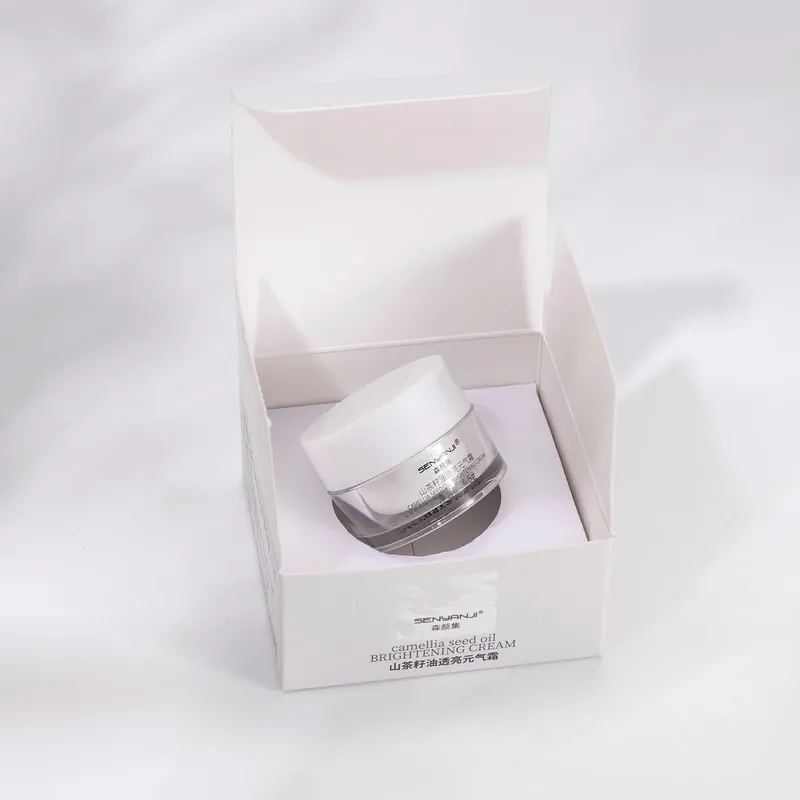
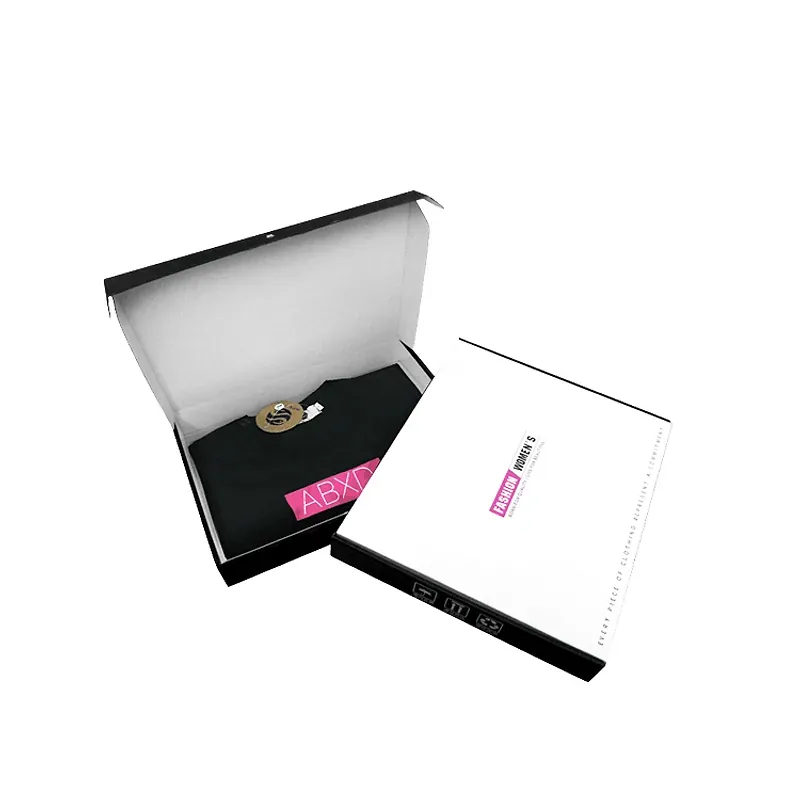
White is the hardest color to ship well, and white mailer boxes prove it on every route. A white parcel shows every scuff, every fingerprint, and every hour it spent in a dusty warehouse. Yet brands keep choosing white, because nothing else signals cleanliness, calm, and premium care in the same way. For beauty, bridal, wellness, and minimal fashion, the white mailer is the brand. Getting it right means choosing the board, the finish, and the packing with the journey in mind.
Our factory in Humen, Dongguan has made paper packaging since 1998, and white mailers are a regular part of that work. The print team matches whites against approved proofs, not against a screen, because white on board shifts with the light and the finish. White runs are packed promptly so the finished mailers do not gather dust on the floor. That discipline is what keeps a white parcel looking white when it reaches the doorstep.
A free digital sample in about 5 days lets a buyer hold the real mailer, test the finish, and approve the print before committing to a full run. This guide walks through board grades, print, finishes, and shipping for white mailers, with the practical numbers a buyer needs to write a clear specification.
Why White Reads as Premium
White reads as premium because it leaves nowhere to hide. A colored mailer can mask a scuff or a print flaw; a white one shows both, so the buyer trusts that the brand checked its work. The same honesty works for the product: a white mailer says the contents are clean, fresh, and carefully made. Minimal brands favor white because it lets one logo, one line of type, or one foil mark carry the whole design. White mailer boxes earn their price when the brand sells calm and care rather than noise. The color is a promise, and the mailer must keep it through the whole journey.
What Sells Best in a White Mailer
White mailers suit products where cleanliness and care are the selling point. Cosmetics, skincare, bridal goods, baby products, fine stationery, and minimal fashion all travel well in this format. The common thread is trust: the buyer expects the product to arrive spotless, and the white mailer sets that expectation before the lid opens. Rugged or industrial goods rarely suit white, since the parcel will look battered before it arrives. If the product is delicate, pale, or gift-worthy, white is the natural choice. Start from the product and the customer, not from a catalogue color.
White Board Grades and Brightness
Not all white board is the same white, and the grade decides how the mailer looks and ages. Coated white board gives the brightest face and the sharpest print, while uncoated white board gives a softer, more natural tone. Bleached board stays bright longest, while unbleached board carries a warm tint that suits eco brands. Brightness is measured on a scale, and a few points of difference are visible side by side. Ask for the board grade in writing, and compare samples under the lighting the parcel will actually sit in. The right white is the one that matches the brand, not the brightest one on the shelf.
Board Weights Behind a Clean Finish
A clean finish needs a board that holds its shape, because a white mailer that dents in transit looks worse than a colored one. Folding mailers in the 300–500 g range suit cosmetics, stationery, and light retail goods, while a rigid setup box near 1200 g suits gift sets and bridal editions where weight signals value. Face papers matter too: 157 g art paper takes fine print and small type cleanly, which matters when the design is minimal and every line shows. FSC-ready board is available for buyers who need chain of custody paperwork. Confirm the board is rated for the parcel journey, not only for the shelf.
Where the brand color must look identical on every carton, offset printing is the safer production choice at volume.
White Mailer Boxes for Beauty and Bridal
Beauty and bridal mailers carry the highest expectations of any white parcel, because the buyer judges the brand by the box before seeing the product. A serum bottle or a bridal favor needs a snug cavity, a clean interior, and a lid that closes with a quiet, confident fit. The exterior should stay restrained: one brand mark, one finish, and no clutter. Foil on a white ground is the classic beauty look, but it must be applied with restraint, since one foil element reads as luxury while foil on every panel reads as noise. For bridal sets, a ribbon adds ceremony and doubles as a seal.
Minimal Print: Less Ink, More Impact
Minimal print on white is harder than it looks, because every mark carries more weight. One brand mark, one line of text, and one restrained motif will read better than a crowded design shrunk to fit. Type sizes need care: a line that reads well on a large carton can turn to noise on a small white face. Registration matters more than usual here, because a white face forgives nothing. A single color, such as deep navy or soft sage, gives the design a voice without breaking the calm. Ask to see a printed proof on the real board, since color shifts between coated and uncoated faces.
Foil, Embossing, and Spot Color on White
Foil, embossing, and spot color are the tools that lift a white mailer from plain to premium. Gold foil on a white ground catches the light as the buyer turns the parcel, and it suits beauty and bridal best. Embossing adds a tactile mark that the buyer feels before seeing it, which works well for a logo or a monogram. A single spot color, used sparingly, gives the design a focal point without breaking the calm. Each technique needs a proof on the real board, since foil and embossing behave differently on coated and uncoated faces. Keep the inside of the lid plain so the product stays the visual center.
Keeping White Clean in Transit
Keeping white clean in transit is a packing problem as much as a print problem. The main risks are dust in a warehouse, rubbing against neighboring parcels, and damp on a long route. Lamination is the simplest defense, since it seals the white face under a clear film that wipes clean. For unlaminated mailers, a matte varnish gives partial protection without changing the feel. Dividers between units stop printed faces rubbing, and a plain outer carton keeps the white mailers out of sight. If the route crosses dusty depots, raise it at the quotation stage so the finish can be chosen for the journey.
When White Mailer Boxes Beat Kraft
Kraft mailers are honest and hardy, but they fail white-brand goods in ways that cost more than they save. A kraft parcel cannot carry the clean, premium message that a beauty or bridal brand needs, so the product arrives looking ordinary. A white mailer holds its form, protects the corners, and gives the brand a bright face that kraft cannot match. Kraft still wins for rugged goods, industrial parts, and eco brands that want the brown look. For anything where cleanliness is the message, the white mailer earns its price in the first delivery. The comparison is about the message, not only the postage.
Inside Print on a White Ground
The inside of a white mailer is the second brand moment, and color there works harder because the buyer is already engaged. A contrasting interior, a printed pattern, or a single bold panel turns the opening into a small reveal. Inside print also hides the plain face that can make a premium mailer feel unfinished. The cost stays modest when the inside carries one or two colors rather than a full photographic scene. Keep the interior design simple: a repeat pattern, a short message, or a solid tone that echoes the outside. The product should stay the visual center, with the interior color framing it rather than competing with it.
Closures and Seals on White Board
The closure is the most handled part of a mailer, so it must work on white board exactly as it works on kraft. A tuck flap with a clean lock suits light parcels and repeated opening, while a self-seal strip suits single-use e-commerce where packing speed matters. A tear strip adds a clean opening experience and doubles as tamper evidence, which buyers value for cosmetics and food. Whatever the closure, test it on the finished board rather than on a plain prototype, because lamination and heavy ink change how adhesives grip. A closure that fails on the doorstep undoes the work of the board and the print.
Our Factory Floor and White Board Work
White board work is a factory discipline, and it starts with people and space. About 100 staff work across our 5,000 m² floor in Humen, and the white runs there are packed promptly so finished mailers do not gather dust. Our annual output is around US$10 million, which keeps pricing steady across the year rather than spiking with the season. The cartons have reached 80+ countries, and more than 50+ brands have put their names on our boxes. Across 1,000+ cases, the cleanliness complaints that reach customers are almost always the ones skipped at the packing stage, which is why that check is never shortened.
Repeat buyers rarely invoke the 60-day guarantee, but its presence signals a factory willing to stand behind its output.
Seasonal and Gift Editions in White
Seasonal and gift editions suit white mailers, because white adapts to every occasion with a change of ribbon or print. A winter edition can carry silver foil and a cool blue accent, while a spring edition shifts to soft green and a floral motif. The structure and the board stay the same, which keeps tooling costs down across the range. Gift sets benefit from a deeper palette on the interior, since the contrast makes the opening feel like a reveal. For both uses, keep one structural size across the range so the packing bench and the shipping carton never change. White is the canvas; the season is the accent.
Eco Notes on Bleached and Unbleached Board
White board raises fair questions about bleaching and recycling, and the honest answers depend on the grade. Bleached board gives the brightest face, while unbleached board carries a warm tint and a lighter chemical story. Both recycle with the ordinary paper stream in most markets when the finish is a matte varnish rather than a heavy film. If recyclability is a selling point, keep the ink coverage moderate and choose a varnish over a plastic film. FSC-ready board supports the sourcing story without overstating it. Ask for the board specification in writing, since the claim belongs to the board and the finish together.
Cost Drivers Behind a White Finish
White finish cost follows grade and process, not the color itself. Coated white board costs more than uncoated, and foil or embossing adds its own setup step. Inside print adds a second pass, and each finish adds a step of its own. The levers a buyer controls are real: sharing one size across several designs cuts tooling, and ordering the full set of finishes in one pass avoids a second setup charge. The cheapest white route is rarely the right one for a premium mailer, because a dull or marked white face costs repeat orders that no saving can recover. Spend the money where the buyer looks first.
Shipping White Mailers Without Marks
White mailers travel in the same rough network as every other parcel, so the packing must protect the bright face. We pack 100 pcs per master carton as the standard, and each carton is capped at 22 kg so handlers can lift it safely and stacking stays honest. Dividers between units stop white faces rubbing against each other, and cushioning at the corners absorbs the drops that land first. Mark the cartons with orientation arrows, and keep the master carton itself plain, since branded outer cartons invite pilferage on long routes. For air freight, the same packing applies, with no carton filled so tightly that inner boxes press together.
Quality Checks Before Dispatch
Every lot is inspected to AQL before it leaves our floor, and white mailers get two extra checks on top of the standard pass. The first is a cleanliness check under bright light, since marks and dust show first on a white face. The second is a fold and closure check: each flap is opened and closed to confirm the crease stays clean and the lock holds after handling. Color is checked against the approved proof under standard lighting, and print registration is checked at the corners, where white mailers show drift first. The inspection step is never shortened to save a day.
MOQ, Sampling and Production
Ordering is straightforward. White mailer boxes start at 100 pcs for every process, and the unit price drops as the quantity grows, so a first order can stay small while the brand tests the market. Samples take about 5 days, with a free digital sample available so the buyer can check color, fit, and finish on the real board before approving bulk. Production takes 10-20 working days after sample approval, with complex builds such as rigid sets and hand assembled inserts at the longer end of that range. Payment starts with a 30% deposit, and every order is verified to AQL inspection standards before dispatch, so the boxes that arrive match the sample that was approved.
Frequently Asked Questions
Does white board yellow during long sea freight?
White board can yellow slightly on long sea routes, especially when cartons sit near heat or damp. Coated board resists yellowing better than uncoated, and lamination seals the face against moisture. Desiccant sachets inside the master carton help on the longest routes, and cartons should be stored off the floor at the destination warehouse to avoid wicking and damp marks.
How do you keep fingerprints off a matte white mailer?
Matte lamination resists fingerprints better than gloss, because the surface diffuses the oils instead of showing them as shiny marks. Handling with clean gloves on the packing bench also helps, and the mailers should be packed promptly so they do not gather dust. If fingerprints are a recurring complaint, a soft touch finish hides them better than a plain matte face.
Can a white mailer carry full-color artwork without looking busy?
Yes, a white mailer can carry full-color artwork, provided the design leaves generous white space around the image. One strong image with a clean margin reads as premium, while edge-to-edge color on every panel reads as noise. Keep the type minimal and the palette restrained so the white ground stays part of the design rather than disappearing under ink.
Which finish hides scuffs best on a white surface?
Matte lamination hides scuffs best on a white surface, because the diffused finish softens the pale lines that scuffing leaves. Gloss lamination shows scuffs more readily, since the shiny face catches the light at every mark. Soft touch lamination also hides minor marks well, though it needs care on long routes. Test the finish on a sample before approving bulk.
Is white board harder to keep clean on the packing bench?
Yes, white board shows dust and marks that darker board would hide, so the packing bench needs more care. Clean hands, a wiped bench, and prompt packing into the master carton all help. Finished mailers should not sit open on the floor, and the packing area should stay away from ink-heavy work. The extra care costs minutes and saves the brand from a marked arrival.
Should the interior stay white or carry a contrast color?
A contrast interior works well on a white mailer, because the reveal surprises the buyer and frames the product. A single bold tone or a repeat pattern turns the opening into a small event. A plain white interior suits the most minimal brands, where calm is the whole message. Either way, keep the interior print simple so the product stays the visual center.
Does white packaging suit rugged or outdoor products?
White packaging rarely suits rugged or outdoor products, since the parcel will look battered before it arrives. Dust, mud, and rough handling show immediately on a white face, and the brand pays for that impression. Kraft or a dark color survives those routes better. White earns its place where cleanliness is the message, not where toughness is the story.
Conclusion
A white mailer earns its place when it arrives spotless, opens like a considered piece of the brand, and carries the product with quiet confidence. The decisions that matter most are the board grade, the finish, and the discipline of the packing bench that keeps white clean. Get those three right and every delivery arrives as a small piece of the brand, not only as a parcel. To start with a sample in your own finish, Request a Wholesale Quote and tell us the product size, the quantity, and the route it will travel.