Buying Guides
Candle Jar Label & Wrap Packaging
Candle Jar Label & Wrap Packaging. Practical guidance on candle jar packaging for importers and brands, from spec to shipment. Proofs take about five days.
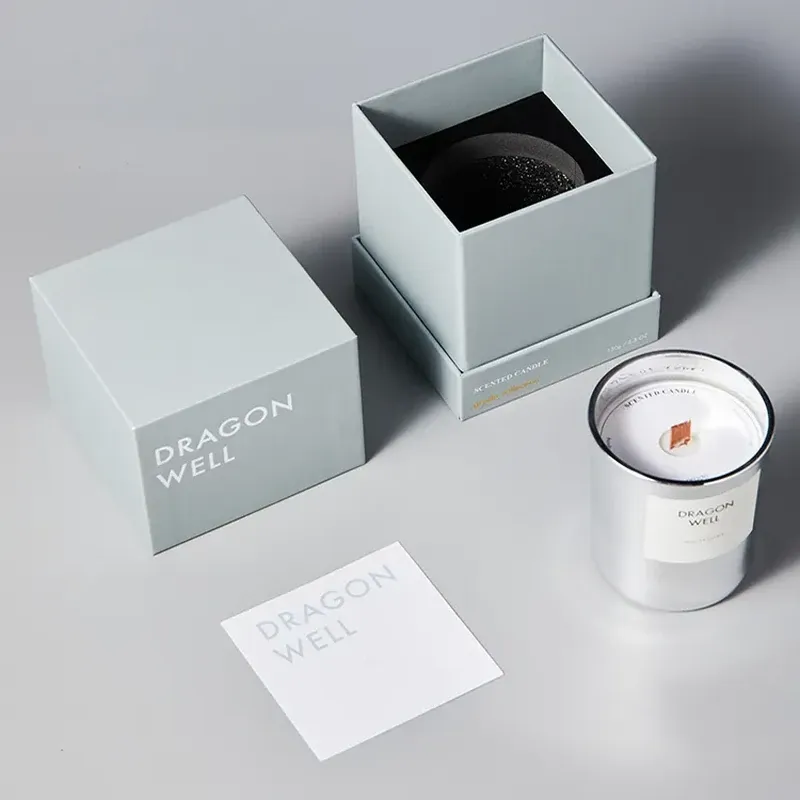
Importers and brands that sell candles face a packaging problem that looks simple and rarely is. A candle is a heavy glass vessel filled with wax, a fragrance load, and a paper or film label that must survive heat, handling, and humidity before the customer ever lights it. As a manufacturer that runs a production base built in Dongguan in 1998, BoxesChina has seen how a weak carton turns a premium candle into a returned unit and a damaged review. The carton is where brand intent becomes measurable, and getting it right early avoids the expensive corrections that surface at the border or the fulfillment center.
A few standing numbers keep the specification honest. Some 50+ private-label brands use our production lines. Standard terms are 30/70, deposit on order and balance before shipment.
The brief for candle jar packaging should start from the product's real failure modes rather than a generic box catalog. Glass breaks, wax blooms, labels wrinkle, and lids rattle. Each of those defects has a specific cause in the supply route, and each has a specific structural answer in the carton. We typically hold FSC-ready chain-of-custody readiness for paperboard programs, which matters when a brand wants to make a responsible sourcing claim that can actually be defended. Everything else in this guide is derived from protecting the jar, presenting the brand, and clearing the shelf.
Understanding the Candle Jar Packaging Problem
The first job of candle jar packaging is to keep the glass intact through a transit chain that may include ocean freight, warehouse stacking, parcel sortation, and a last-mile courier who does not know the box contains something fragile. A standard candle jar weighs between 200 and 650 grams once filled, and that weight sits high in the vessel, which makes it top-heavy and prone to tipping inside an undersized carton. The carton must therefore hold the jar snugly enough that it cannot shift, while still allowing the packer to load and seal quickly on a production line.
Heat is the second hidden hazard. Wax has a low melt point, and a container left in a hot trailer or a sunny loading dock can soften, deform, or weep through a lid seal. Packaging alone cannot air-condition a truck, but it can slow heat transfer and it can prevent jars from contacting each other where friction and pressure do the most damage. We specify inserts and dividers against the actual route the product takes, not a textbook standard, because a carton tested for a pallet in a dry warehouse may still fail in a parcel network during summer.
The third hazard is the label itself. A candle label is exposed to the wax surface temperature every time the wick burns, and it is also exposed to condensation, fragrance oils, and the adhesive stress of being applied to a curved glass wall. A wrap label that bubbles or a paper label that yellows undermines the premium feel the brand paid for. The packaging around the jar should keep the label clean and dry until the moment of use, which is why the inner wrap and the carton work as a system rather than as separate purchases.
Label Construction and Compliance for Candle Jars
Candle labels fall into two broad camps: a direct-applied label that is printed and adhered to the glass, and a wrap label or belly band that circles the jar and is often the first thing a shopper touches. For a direct label, the substrate choice decides whether the print survives. A coated paper with a heat-stable adhesive is common for low-heat candles, while a synthetic film label resists oil, moisture, and the slight heat near the rim. A wrap label printed on a durable stock also protects the glass during transit because it adds a thin cushion and hides scuff marks.
Compliance is where candle brands get caught out. Many markets require a safety warning on or near the candle: keep away from children and pets, burn within sight, keep away from flammable materials, and trim the wick. Brands selling into the United States frequently encounter California Proposition 65 obligations when listed chemicals are present, and the warning language and placement are not optional. We do not write the legal text for you, but our cartons and wraps are designed so that a compliant warning panel has a clean home on the label or the insert, with enough contrast and space to be read without a magnifier.
The commercial terms stay deliberately simple. Minimum order quantity begins at 100 pcs. Shippers are packed to 22 kg or below for manual-handling limits.
A well-designed wrap also carries the brand story. The wrap is the surface that photographs best for e-commerce, so the print quality there drives conversion more than the carton bottom does. Our team has shipped 1,000+ custom case programs to date, and the candle programs that perform best are the ones where the wrap and the carton were specified together, with the same color target and the same approval step, rather than sourced separately and hoped to match.
Selecting the Right Board Grade and Box Structure
Candle jar packaging can use either a rigid box or a folding carton, and the choice depends on weight, perceived value, and shelf format. Rigid boxes use 157 g face paper over 1200 g greyboard as standard, which gives the dense, luxury hand-feel that premium candle brands want and the crush resistance that a heavy jar needs. A rigid box also holds its shape on a crowded shelf and photographs as a gift, which is why so many candle gift sets choose it.
Folding cartons are produced in 300-500 g board grades, which is lighter and flatter to store, and which suits everyday candles sold in high volume. A folding carton costs less per unit at scale and ships as flat blanks, which reduces the warehouse footprint before the carton is erected. For a single 200-gram travel candle, a well-engineered folding carton with an internal die-cut insert is usually the right call; for a 600-gram three-wick vessel, the rigid structure earns its cost by preventing the exact returns it is built to avoid.
We recommend the cheapest structure that still protects, because over-specifying board is a silent tax on margin. The way to know which is right is to prototype both when the brief is undecided. Sampling at a minimum order quantity of 100 pieces makes that comparison affordable before a full production run commits the budget, and it lets the brand feel the difference in the hand rather than guess from a spec sheet.
Inserts, Dividers, and Void Fill for Jar Safety
Once the outer structure is chosen, the inside does the real protective work. A die-cut insert cradles the jar so it cannot tip, and a corrugated or paperboard divider separates multiple jars in a multi-pack so they cannot clash. For a single jar, a simple molded or folded cradle that touches the base and the shoulder is enough; for a gift set with a lid, a booklet, and a lighter, the insert becomes a small piece of industrial design that must hold three shapes at once.
Void fill should be minimal and purposeful. Loose fill that shifts during transit can let the jar migrate to a corner where it takes the full impact of a drop. A fitted insert removes that movement and usually uses less material than a box stuffed with loose cushioning, which also helps brands that want to make a lower-waste claim they can stand behind. Where a little extra cushion is needed, a paper-based pad is preferable to plastic because it aligns with the FSC-ready paperboard story and avoids the regulatory attention that some plastic fills attract in certain markets.
Moisture control is the last insert consideration. A candle stored in a humid warehouse can develop bloom on the wax or wrinkling on a paper label, and a thin glassine or vellum wrap inside the carton acts as a breathable barrier that slows that damage. It is a small detail, but it is the kind of detail that separates a carton that sells from one that gets returned, and it is exactly the kind of detail we build into the dieline rather than leave to chance.
Printing, Finishing, and Shelf Signal
Behind the artwork, the factory runs to a fixed standard. A no-charge digital proof turns around in about 5 days.
The outside of the carton is the brand's silent salesperson. Buyers judge candle packaging in two seconds, and the print and finish decide whether the product reads as a considered gift or a commodity. For large runs, we use offset litho printing for consistent brand color, which keeps the second thousand cartons matching the first and protects the brand palette across seasons and reorders. For shorter runs or fast iterations, digital print gives flexibility without the cylinder cost.
Finishing is where perceived value is won or lost. A single foil hit on the logo, a soft-touch coating, or a blind emboss can read as premium at a folding-carton cost, and we tune the finish to the price tier so the package signals the right value and the margin survives the program. A luxury candle does not need gold foil on every panel; it needs the right panel foiled with restraint. Conversely, a value candle should not carry a heavy laminate it cannot support, because the cost shows up in the unit price long after the unboxing photo is forgotten.
Shelf signal also includes information design. The carton should make the scent, the burn time, and the size obvious at a glance, because a confused shopper moves on. We lay out the front, side, and base panels as a system so the essential facts are where the eye expects them, and so the warning and compliance text sit where a regulator or a retailer's audit will look for them.
Sampling, Production, and Quality Control
The practical path from brief to carton is shorter than many brands expect. Digital proofs are turned around in about five working days at no charge, so the look, the dieline, and the insert geometry can be approved before any money is committed to plates or mass cutting. That proof step is where most costly mistakes are caught, and we treat it as a design checkpoint rather than a formality.
After proof sign-off, mass production typically runs 10-20 working days, which is fast enough that a second version is a normal step rather than a costly restart. Payment terms are commonly 30% deposit and 70% before shipment, which keeps cash flow predictable on both sides and lets a growing brand scale a winning SKU without front-loading the entire program. We back every order with a 60-day quality guarantee on workmanship, so a defect that only shows after fulfillment is still our responsibility, not a write-off for the brand.
Quality is checked at both ends of the line. Incoming and outgoing lots are checked against AQL sampling plans, which means a defined sample is inspected to a defined acceptance number rather than a hopeful glance. For candle cartons, that inspection covers print registration, adhesive on wraps, insert fit, and carton squareness, because a carton that looks fine empty can still fail when the jar is inside. With an annual packaging output backed by roughly US$10M in production capacity, these checks are built into the line, not bolted on for a tricky account.
Partnering With BoxesChina on candle jar packaging
For teams weighing candle jar packaging, the practical question is which partner turns the brief into a shippable carton without a long learning curve. BoxesChina runs a manufacturing base built in Dongguan in 1998, with FSC-ready chain-of-custody readiness and lines serving more than 50 private-label brands, which is exactly the setup a candle brand needs when it wants consistency across reorders and seasons.
The plant covers roughly 5,000 m2 of production and warehouse space, and about 100 staff run sampling, printing, and QC on one site, so the people who proof the carton are close to the people who print it. That single-site model shortens the loop between a design change and a physical sample, which is why digital proofs can turn around in about five working days at no charge and mass production can follow in 10-20 working days after sign-off.
Minimum order quantity starts at 100 pieces per SKU, so a new scent or a seasonal gift set can launch without tying up cash in a warehouse of cartons that may not sell. We supply buyers in 80+ countries through export documentation, which means the carton that works for a domestic launch can also be specified to clear the requirements of the next market rather than redesigned from scratch.
Payment terms are commonly 30% deposit and 70% before shipment, and orders carry a 60-day quality guarantee on workmanship, which together remove the two fears that slow a first order: the fear of paying for a miss and the fear of a defect surfacing after the container is at sea. Large runs use offset litho for consistent brand color, and incoming and outgoing lots are checked against AQL sampling plans so the second thousand matches the first.
For candle jar packaging specifically, that combination means the spec can be iterated and validated before volume rather than discovered after a container is in transit. The glass stays protected, the wrap carries the brand, and the carton earns its cost by preventing the returns it was built to avoid, which is the only measure of packaging that ultimately matters to a brand's bottom line.
FAQ
What board grade fits candle jar packaging?
It depends on weight and perception. Rigid boxes use 157 g face paper over 1200 g greyboard for a dense, luxury feel suited to heavy three-wick jars, while folding cartons are produced in 300-500 g board grades for lighter everyday candles. We recommend the cheapest structure that still protects, because over-specifying board silently taxes your margin without adding shelf value.
How do I protect the glass in transit?
We map the failure mode first: drops, crush, tipping, or heat soften, then specify inserts and dividers against it. A die-cut cradle holds the jar upright and apart from others, while a fitted wrap keeps the label clean and dry. The aim is a carton where the first unit out looks exactly like the listing photo rather than a returned, scuffed unit.
What label and wrap materials work best?
A coated paper label with heat-stable adhesive suits low-heat candles, while a synthetic film label resists fragrance oil and moisture near the rim. A wrap label printed on durable stock also cushions the glass and photographs well for e-commerce. We design wrap and carton together so the color target and approval step stay unified across both surfaces.
What is the minimum order quantity?
MOQ starts at 100 pieces per SKU, so a new scent or seasonal gift set can launch small and scale as it sells without warehousing thousands of cartons up front. That low entry also lets you prototype a rigid and a folding version side by side and choose the structure with your hands rather than guess from a specification sheet.
How fast is sampling and production?
Digital proofs turn around in about five working days at no charge, so you can approve the dieline and print before committing to plates. Mass production typically runs 10-20 working days after sign-off, which is short enough that a refined second version is a normal step rather than a costly restart of the whole program.
Can I get a premium look on a budget?
Yes. A single foil hit, a soft-touch coating, or a restrained blind emboss can read as premium at folding-carton cost. We tune the finish to your price tier so the package signals the correct value and your margin survives the program, instead of loading cost onto panels a shopper never notices or remembers.
How is quality controlled before shipment?
Incoming and outgoing lots are checked against AQL sampling plans, inspecting print registration, wrap adhesion, insert fit, and carton squareness on a defined sample. We also back orders with a 60-day quality guarantee on workmanship, so a defect that appears after fulfillment is still our responsibility rather than a silent loss for your brand.
Do you handle export and compliance needs?
We supply buyers in 80+ countries through export documentation and design cartons so warning and compliance panels have a clean, readable home. We do not write your legal warning text, but we build the space and contrast for it, and we can specify the carton to clear the next market rather than redesign it from scratch for each region.
Conclusion
Getting candle jar packaging right is less about a box and more about a spec that survives the route, the regulator, and the shelf. Start from the jar's real failure modes, choose the cheapest structure that still protects, and prove the dieline with a digital proof before you commit volume. A rigid or folding carton that cradles the glass, carries a clean wrap, and clears compliance is what separates a product that sells from one that gets returned. If you want a partner who has shipped to 80+ countries and can turn a digital proof in about five working days, Request a Wholesale Quote and we will map the carton to your candle program.