
1
Stacking crush
A box that holds 20 kg on a bench can still fail at the bottom of a pallet. Edge crush (ECT) predicts stacking strength; a burst figure does not. Ask for the ECT on the spec sheet.
ECT
Custom Boxes · Corrugated
Corrugated boxes for shipping and retail, made in our own workshop in Dongguan. Board, flute and wall are chosen from the packed weight and how far the box travels, then cut to your size from 100 pcs per size and design.
Corrugated box types
The flute sets the cushioning and the print surface; the closure sets how the box opens and how much space it takes in the container. Most orders are one of these five.
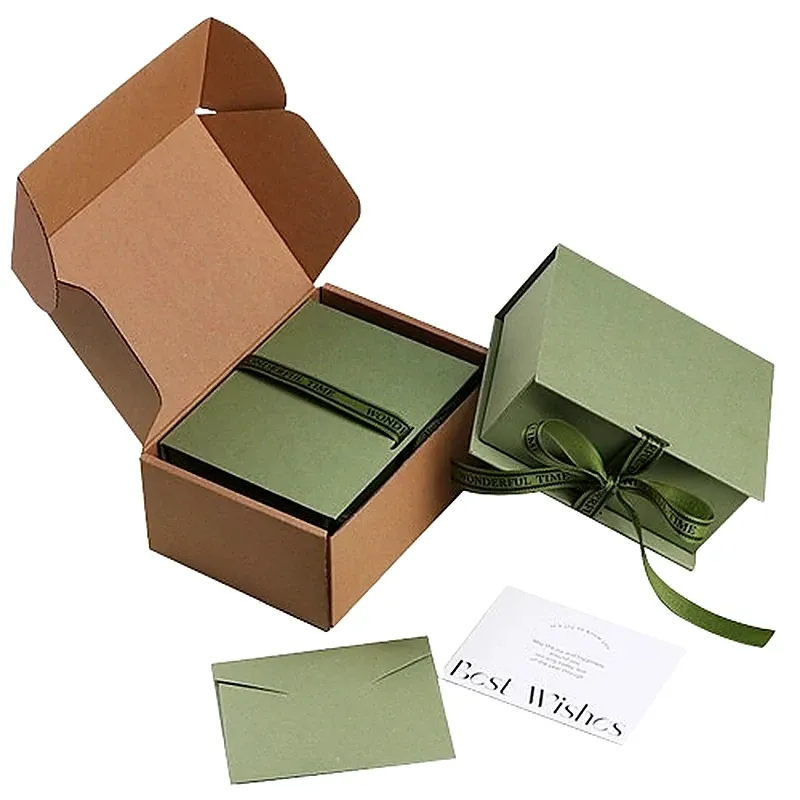
Everyday shipping cartons in single-wall corrugated. Carries most consumer goods and stacks two or three high in a warehouse; the flute is chosen from the packed weight.
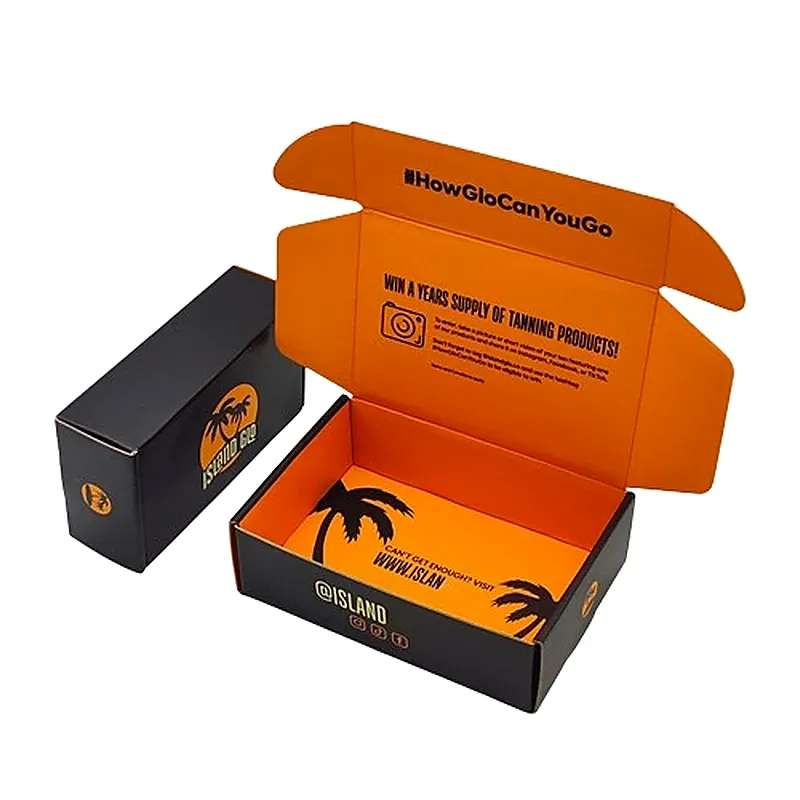
Two fluting layers. For heavier products, pallet stacking and long sea transit where the bottom box carries the load.
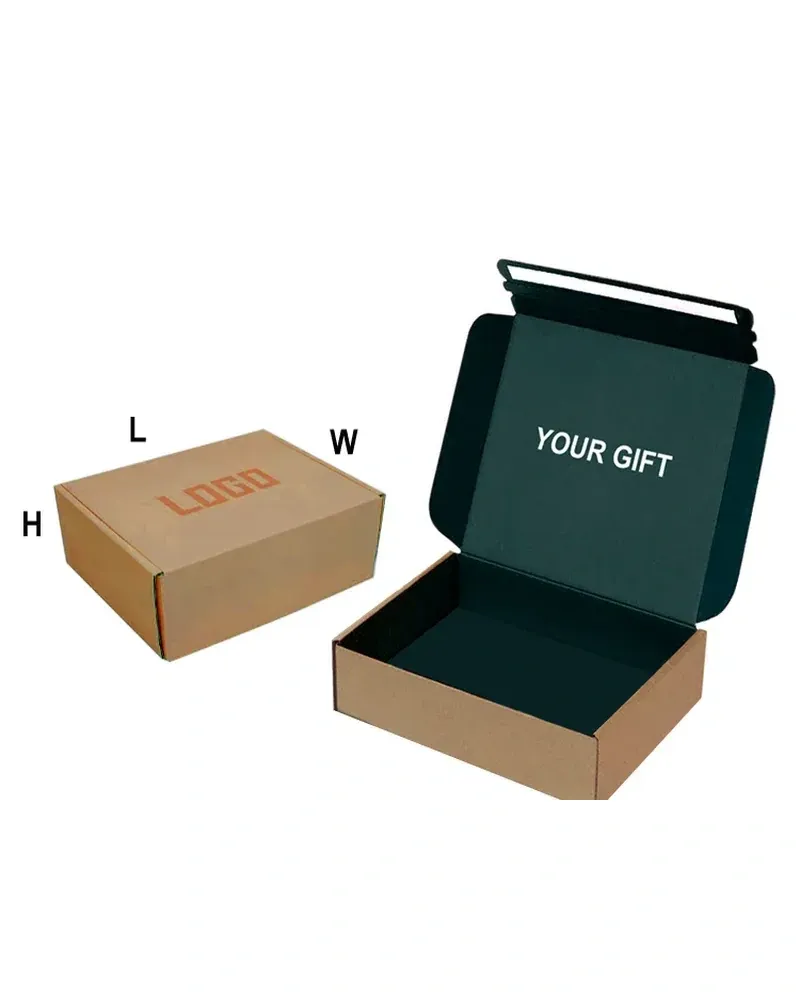
Self-locking mailer with a tear strip, so the customer opens it without a knife. Sized to the parcel tier rather than a pallet.
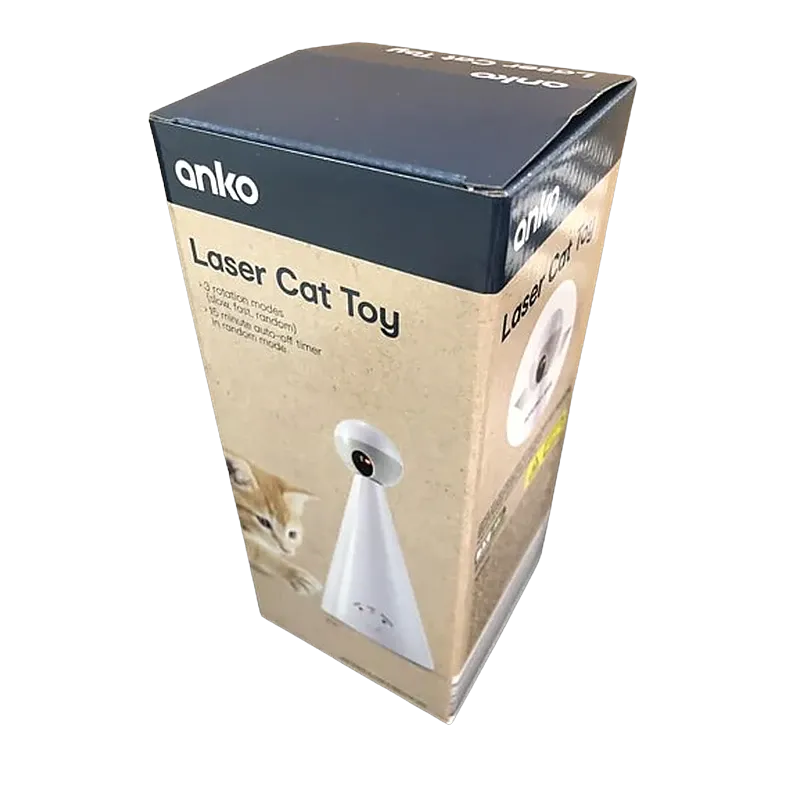
A one-piece carton with a tuck-in lid: no tape, ships flat, assembles in seconds. For lighter retail goods that travel in an outer carton.
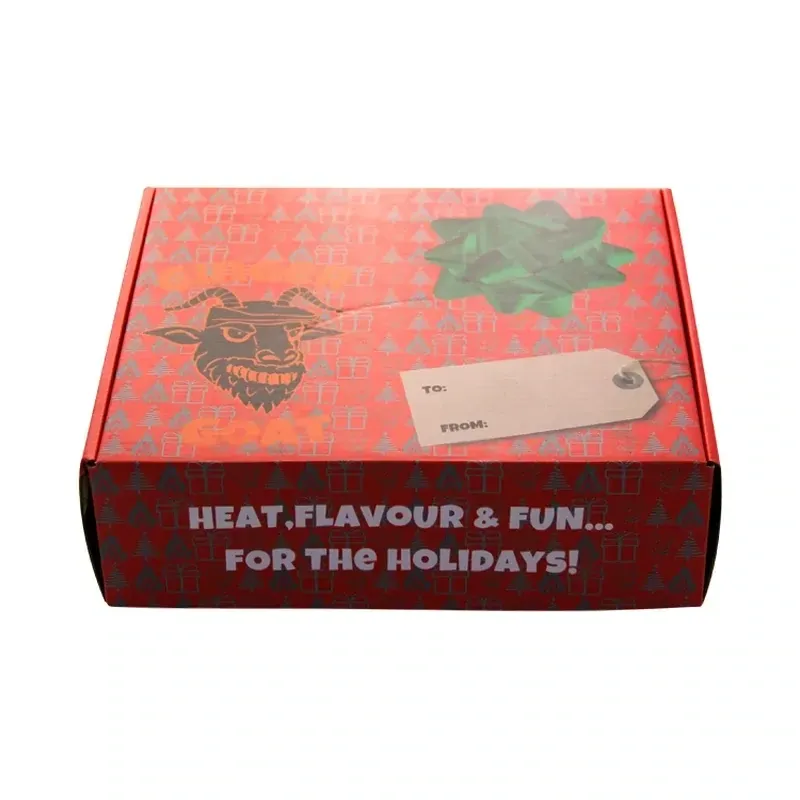
Flexo for one or two colours straight on the board; litho-lamination when the artwork needs full colour and fine detail.
In transit
Most damage is not the box being too thin. It is the wrong kind of strength for the way the box travels. These four are where it goes wrong, and what to specify instead.
A box that holds 20 kg on a bench can still fail at the bottom of a pallet. Edge crush (ECT) predicts stacking strength; a burst figure does not. Ask for the ECT on the spec sheet.
Parcel hubs damage corners, not panels. A second liner (double wall) or a corner protector takes that hit. More print does not make the corner stronger.
Corrugated loses a large share of its strength in high humidity. For sea freight, specify a moisture-resistant liner, or keep the outer carton sealed until it reaches the pack line.
Heavy ink coverage and printing across a fold weaken the crease. If the box has to carry weight, keep large solid areas off the fold lines and print one or two colours.
Board selection
A starting point for a first quote. The final grade is confirmed against the packed weight, the stack height and the transit time, because a light box that travels by sea needs more board than the same weight going by road.
Single wall, E-flute around 1.5 mm. The standard shipping carton, printed flexo in one or two colours.
Single wall A-flute around 5 mm, or a light double wall. We confirm from the packed weight and the stack height.
Double wall. At this weight edge crush becomes the deciding figure, not burst.
Double wall plus corner protection, or a pallet-fit base so the load sits on the pallet, not the walls.
E-flute. Thin wall, smooth surface, prints close to a folding carton — the choice when the box is seen on a shelf.
Moisture-resistant liner; the flute choice stays the same. Humidity, not distance, is what softens the board.
Inner and outer size
A folding carton is thin enough that the difference barely matters. A corrugated box is not: the board adds real millimetres, and quoting the wrong one is the most common reason a box does not fit.
The usable space. Measure the product in its packaging position, then add 2-3 mm per side for wrap and inserts. This is the number a quote should start from.
The footprint on the pallet and in the container. It is the inner size plus the wall on both sides, plus any handle or lid overhang.
E-flute around 1.5 mm adds roughly 3 mm to each dimension overall; A-flute around 5 mm adds about 10 mm. A box quoted on inner size and built to outer size will not fit.
If you are replacing a box, send the inner size and the board grade. If you are starting from the product, send the product dimensions with a photo and we will work the box size out.
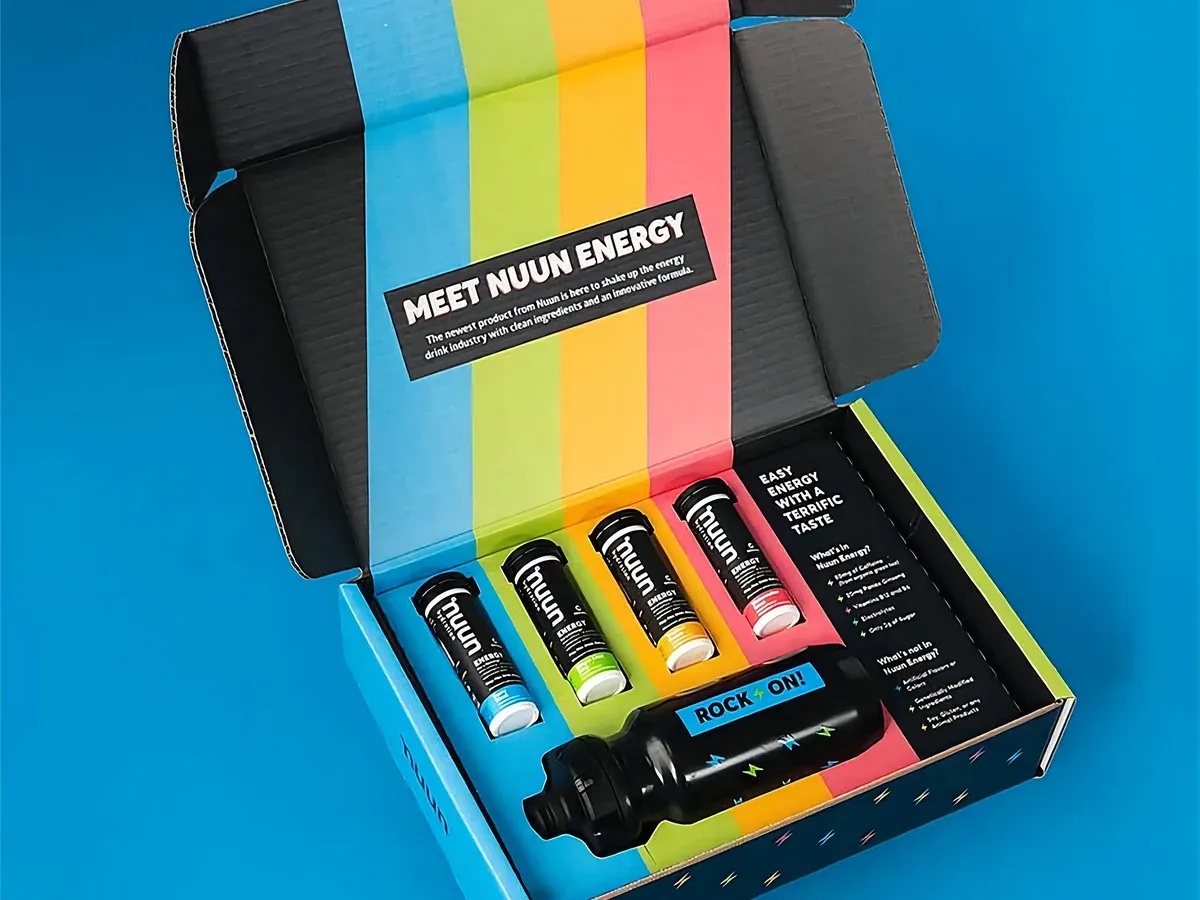
Choosing the board
Single wall carries lighter products over short distances. Double wall adds a second fluting layer for heavier items, pallet stacking and long sea transit. Everything else follows from this choice.
A fine flute (E, around 1.5 mm) gives a smooth surface for detailed print and a thin wall. A coarser flute (A, around 5 mm) gives more cushioning and stacking strength, with less print detail.
Kraft liner is unbleached and stronger per gram; white top gives a cleaner base for print. For humid routes a moisture-resistant liner matters more than either.
Corrugated specifications
These are the numbers that change both how the box performs and what it costs. Ask for all four on any quote you compare.
Inside the box
The carton stops the product leaving. The inside stops it moving. Those are two different parts, and only one of them is the box.
Cut from the same board, folded to a cavity that holds the product. Light, sorts with the carton, and the cheapest way to stop movement.
A heavier insert for products with a base or a handle. Cut to the outline so the product sits at a fixed height inside the box.
For several units in one carton. Keeps them from touching, which matters as much for printed surfaces as for glass.
A box cut to the product with 2-3 mm clearance and a tight fold can hold a rigid item without any insert. Tell us the product and we will say which case you are in.
What drives the price
Four lines, in order of size. Knowing which one you are changing is the difference between a useful cost-down and a box that fails in transit.
The flute and the wall decide most of the unit price. Moving from single to double wall roughly doubles the board in the box, and the board is the biggest component.
A cutting die is made for your size and charged on the first order. A repeat run at the same size and design does not pay it again.
Flexo prints one or two colours straight onto the board and is the cheaper route. Full-colour artwork needs litho-lamination, which adds a printed sheet and a mounting pass.
Unassembled boxes take a fraction of the container volume of assembled ones. Assembling at destination is often cheaper than shipping the empty space.
Buyer questions
The six that come up when a spec is being fixed, answered with numbers where a number exists.
Send the packed weight and the route and we will confirm the board before quoting.
Get a quote
The weight and the route decide the board. Send both with the product size and quantity and we will come back with the grade, the price and the lead time.
Inquiry
Share the product, the packed weight and the destination.
Continue browsing
Pair it with other cartons, mailers and shipping boxes from our range.
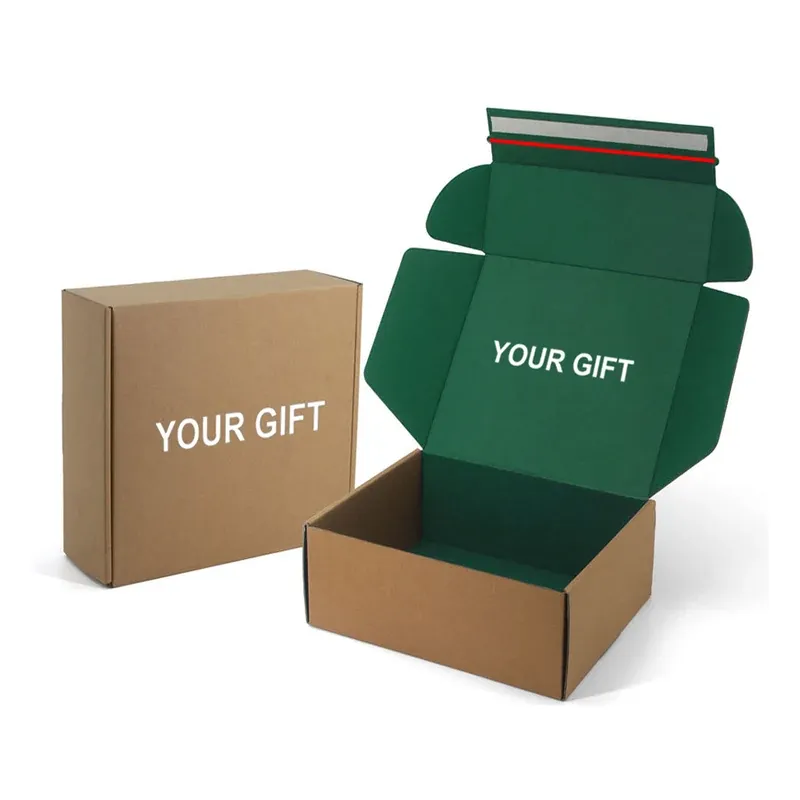
E-commerce parcels take a beating. Self-locking mailers with a tear strip, sized to reduce movement in transit. From 100 pcs per size, sample in 5 days.
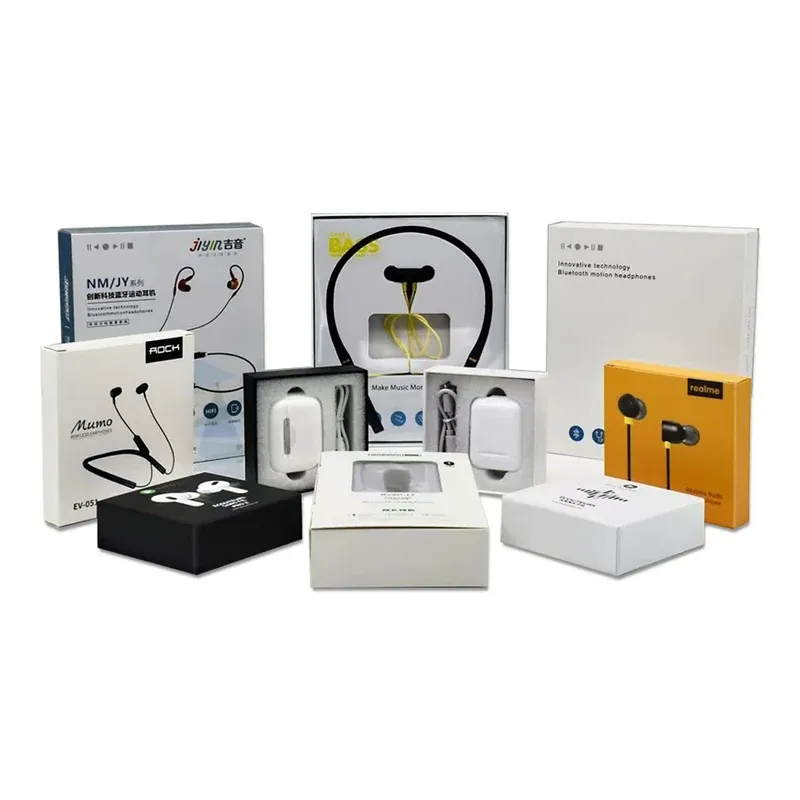
Cardboard boxes for retail or shipping, printed and cut to your size. Single wall or heavier board, AQL checked. From 100 pcs per size, sample in 5 days.
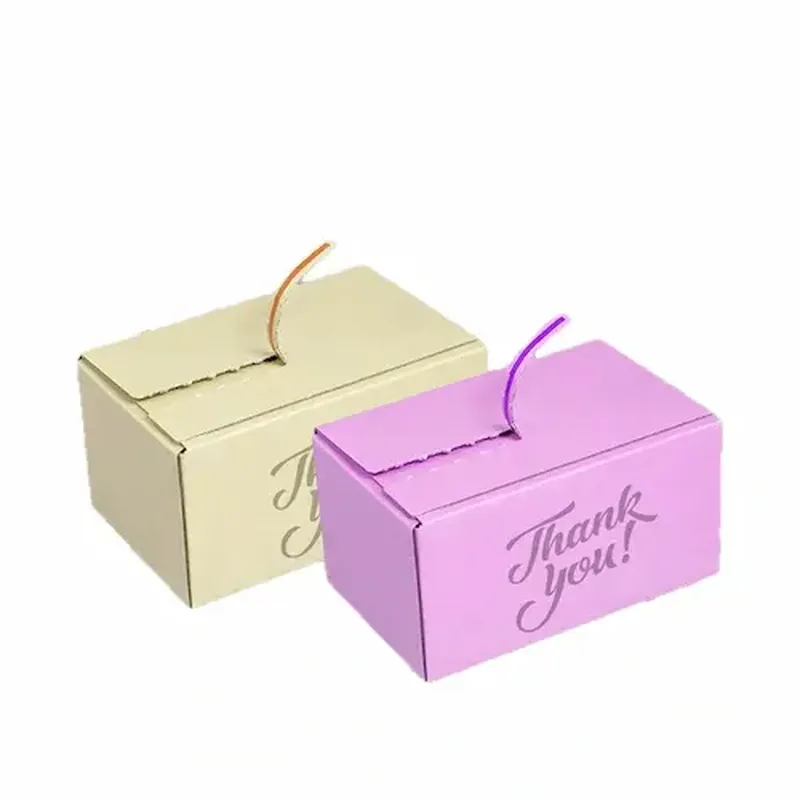
Tuck-top boxes fold flat and pop up without tape. Printed for retail, sized to the product with an optional window. From 100 pcs per size, sample in 5 days.
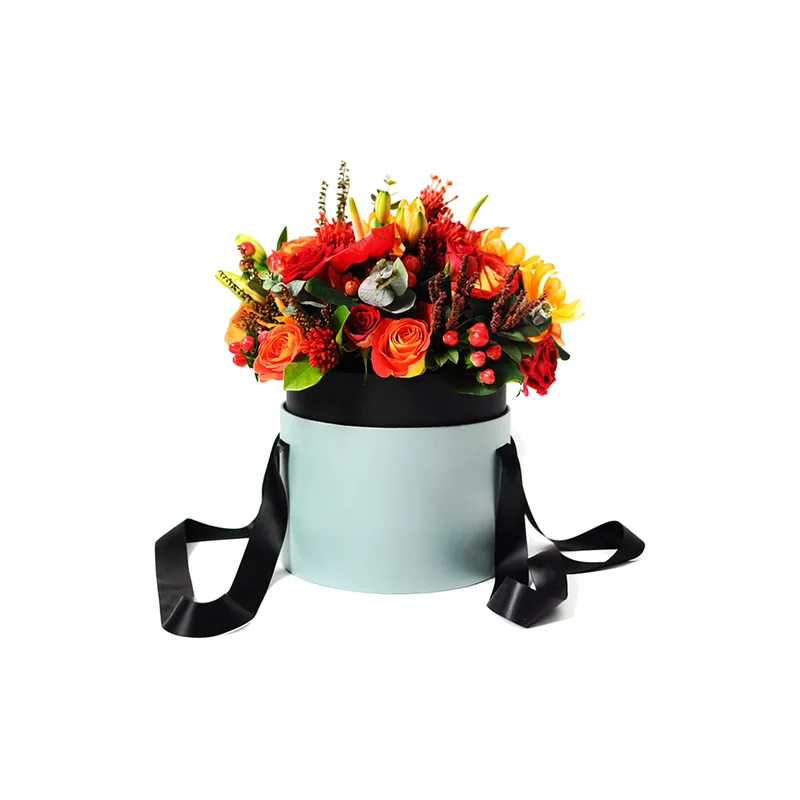
Custom printed paper tubes for candles, cosmetics and gifts. Wound paperboard body with a printed paper wrap, twist-top or slip lid, from 100 pcs per size.