Buying Guides
Well Packaged Is the Most Common Praise in E-commerce
Well packaged: 118 mentions across 435 shipping reviews, the top praise in e-commerce. Four specs turn the adjective into a repeatable unboxing experience.
Opening
Across 435 shipping reviews mined from marketplace listings, one phrase is mentioned more than any other positive expression: well packaged, with 118 mentions, 112 of them inside five-star reviews. The phrase beats every product adjective in the corpus, which tells you where the unboxing experience is actually won. Buyers do not lead with beautiful, premium or elegant; they lead with the observation that somebody thought about the journey their parcel would take, and they reward it with the most generous sentence in the review language.
The phrase is worth studying because it sounds like an adjective and behaves like a specification. When buyers write well packaged, they are describing a pack-out that did several verifiable things at once: the product was held so it could not migrate, the outer box was graded for the journey it faced, the seals and orientation cues were where a handler would look for them, and the box opened the way it was designed to open. Every one of those things can be specified, sampled and inspected — which means the top praise in e-commerce is manufacturable.
This article decodes the phrase into four acceptance-ready specifications, examines the small set of reviews where well packaged preceded a complaint, and shows how to write the standard into a packaging programme. The factory context is ours — Humen, Dongguan, producing since 1998 — but the standard belongs to the buyers who wrote the reviews.
What 118 Mentions of Well Packaged Actually Say
The first thing the mentions share is company. Well packaged travels in bundles: with arrived on time, with in perfect condition, with arrived intact and undamaged. Only a handful of the 118 mentions stand alone, which means buyers experience good packaging as a system performance rather than a single feature — the pack-out, the timing and the condition arrive as one impression. The bundle structure matters for procurement because it shows what the phrase is a proxy for: a distribution chain that did not surprise the buyer anywhere along the line.
The second shared feature is tone. The well packaged reviews read as relief as much as delight, particularly on fragile categories — glass, ceramics, framed items — where the buyer had braced for damage. Several mentions describe the packaging explicitly as evidence: bubble wrap where it mattered, cushioning that held, a box that clearly took a knock so the contents did not. The praise, in other words, is not aesthetic; it is a verdict on risk management, delivered in the only language a buyer has.
The third feature is repeatability across markets. The phrase appears in reviews from the United States, the United Kingdom, Europe, Canada and elsewhere, in the same construction, which is why our own mining merges translations into the single lemma. A German well packaged and an English well packaged describe the same experience, and that experience is the closest thing e-commerce has to a universal praise word. When one phrase outpolls every product adjective across markets, it stops being a phrase and becomes a benchmark.
Four Specs That Earn the Phrase
The first specification is retention: the product cannot migrate inside its box. That means an insert — die-cut foam, formed pulp or corrugated — cut to the product so that it sits under light compression and moves with the box in a drop instead of striking a wall. Board weights matter here only as structure: a rigid box in 1200 g greyboard holds its shape so the insert geometry stays true, while a folding carton in 300 to 500 g board leans on the insert for everything. Retention is the single biggest discriminator between well packaged and no protection around the product, the most common damage complaint in the corpus.
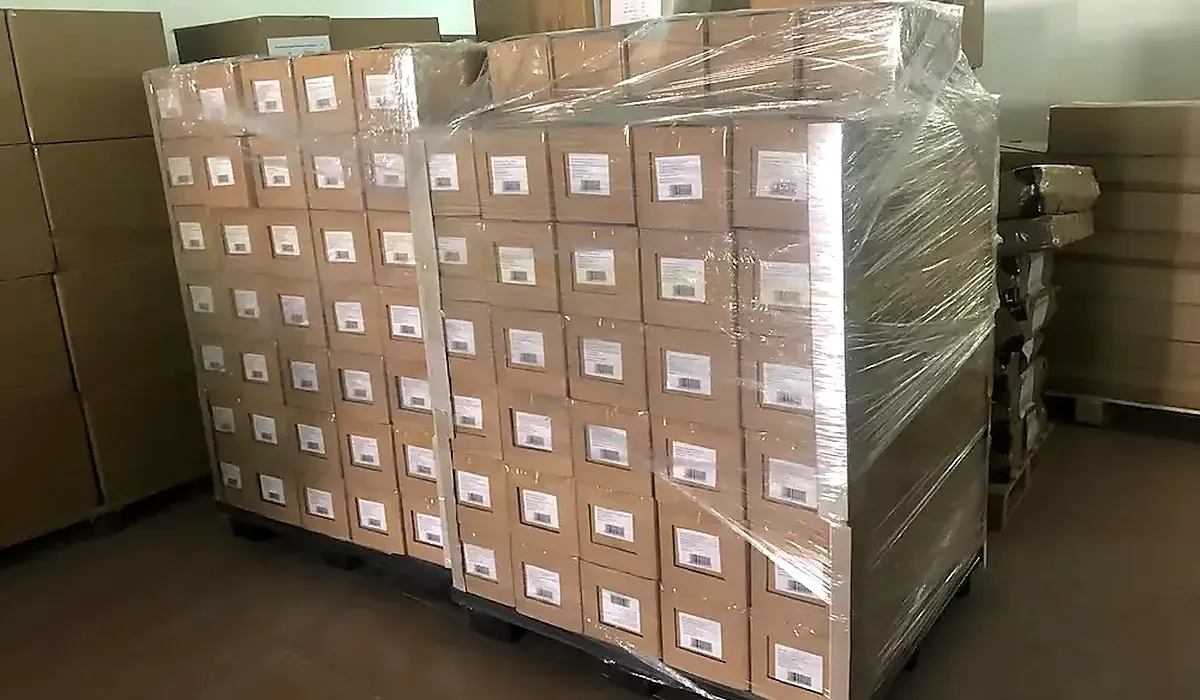
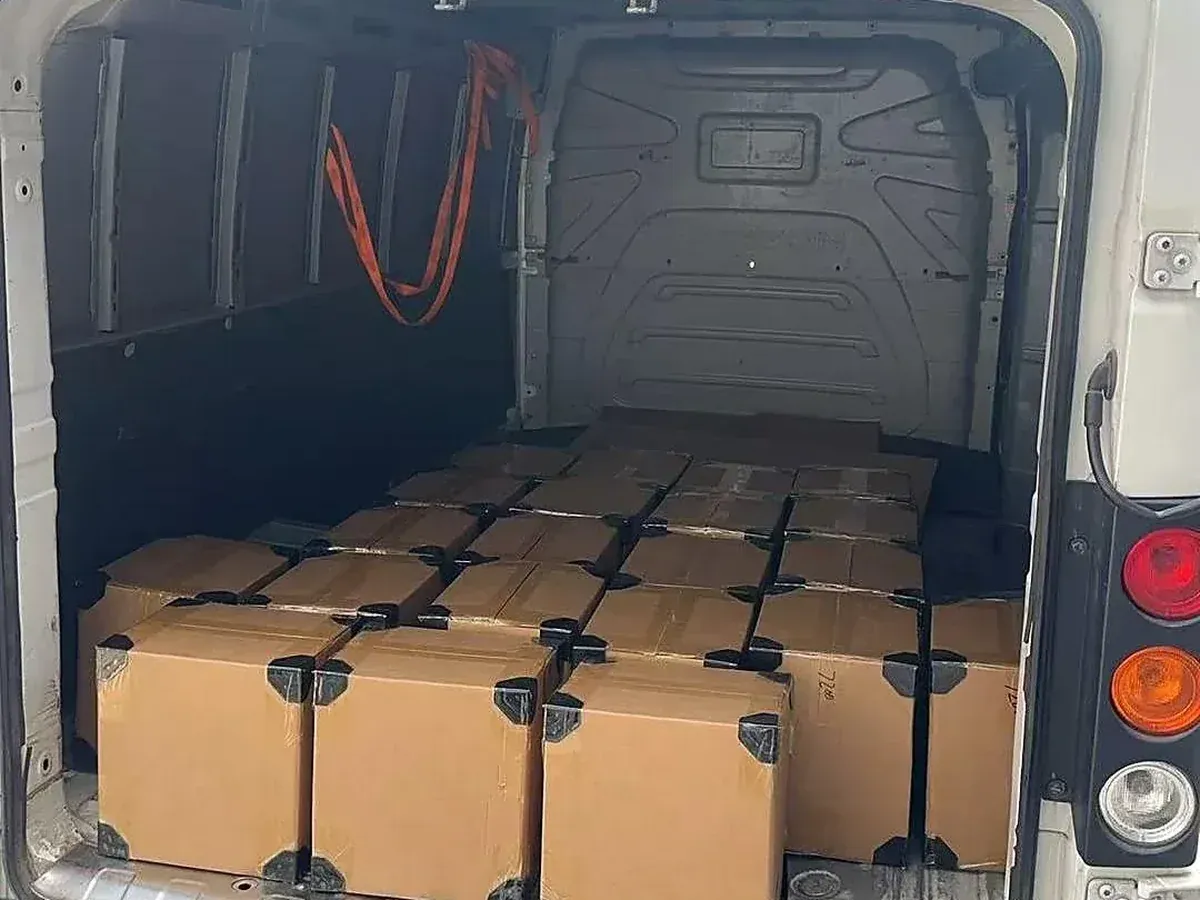
The second specification is the outer grade, set against the journey rather than the product. The working numbers are simple: finished boxes packed 100 pcs per master carton, gross weight held at or below 22 kg, and the carton grade chosen for the stack and handling the channel actually produces. A pack-out that passes a bench test but fails on pallet four has not earned the phrase; the reviews record the difference as box crushed on arrival, one of the loudest negative clusters we mine.
The third specification is closure and orientation. Seals that show tamper evidence, tape patterns the channel recognises, this-way-up and fragile cues printed where a handler actually looks, and the product oriented the way its weakest feature demands — candles upright, handles floating, corners protected. None of these adds meaningful cost; all of them are visible to the first person who meets the parcel, and their absence is visible too.
The fourth specification is the arrival script: the inserts or markings that tell the buyer what to do if something is wrong — photograph the outer, photograph the inner, keep the packaging until the claim closes. Parcels that ship with the script generate documented claims instead of angry reviews, and a documented claim still ends in a replacement that can itself be reviewed as a save. The phrase well packaged covers the whole journey including its failures, provided the failures are handled.
The Six Reviews Where Well Packaged Preceded a Complaint
Of the 118 mentions, six sit inside negative reviews, and they are the most instructive reviews in the corpus. The construction repeats: the packaging was well packaged, and the product arrived broken anyway. Buyers write it with a kind of puzzlement — they can see the care in the pack-out and cannot reconcile it with the damage — and the reconciliation is usually that the care was applied at the wrong layer: generous outer protection around a product that was never retained, or a cushioning layer that the product could travel across.
Those six reviews are why the four specifications are specified together rather than chosen from. A beautiful outer grade cannot compensate for a missing insert; an excellent insert cannot compensate for an outer box that loses its stack; and all three cannot compensate for a despatch bench that ignores orientation. The phrase fails precisely where one layer was specified and its neighbours were assumed, which is the most common structural mistake in packaging programmes that are managed by purchasing alone.
There is a service layer to the same lesson. Reviews that say well packaged but damaged arrive are the reviews where buyers feel most owed an explanation, because the visible effort raises the expectation. Programmes that answer those reviews fast — replacement, evidence request, a note on what will change in the pack-out — convert the most confusing failure into the most loyal save. The specification prevents the failure; the response determines what the failure costs.
From Adjective to Acceptance Criterion
Write the phrase into the programme as an acceptance criterion with four line items: retention verified by tilt and drop at sampling, outer grade verified against the channel stack, closure and orientation verified at the packing bench, and the arrival script printed and packed. Each line is checkable without instrumentation, which is what makes it an acceptance criterion rather than an aspiration — a buyer with the product and a table can run all four in an afternoon.
Sampling is where the criterion earns its keep. A digital sample in about 5 days shows structure and print; the physical check adds the behaviour — tilt the closed box, drop it from the height your courier produces, open it and look for witness marks. The checks cost minutes and they are the same ones our engineers run with 50+ brands before production is released, because an insert that passes at the bench almost never fails in transit, and one that fails at the bench is a drawing change, not a debate.
Then hold the criterion on the line and at the reorder. AQL inspection before packing checks the run against the approved sample, and production runs 10-20 working days after that approval — long enough for the line to be checked, short enough to hold a season. The retained sample holds the specification honest across reorders: the phrase well packaged describes a performance that must reproduce on unit one thousand, not a first impression that fades by order two. Payment terms keep the trial cheap — a 30 percent deposit with the balance before shipment — but the criterion, not the cash, is what makes the performance repeatable.
The scale behind the criterion is worth one paragraph, because buyers rightly ask who is holding it. Our plant in Humen, Dongguan runs about 5,000 m² with roughly 100 staff across printing, wrapping, assembly and inspection, and about US$10 million in annual output shipped to 80+ countries — 1,000+ cases of history in which the same four line items have been checked on programmes for 50+ brands. FSC-ready board is available with certified stock supplied on request when the requirement is flagged at quotation, so the sustainability line sits in the same specification as the protection lines it ships beside. A criterion held by a named floor is a commitment; the same words from a catalogue are a wish.
The Unboxing Experience Buyers Actually Film
The unboxing experience that earns the phrase is quieter than the one that earns views. Buyers film or photograph the layers doing their jobs: the intact outer, the fill that holds, the product sitting exactly where the insert put it, the reveal unmarred by scuffs. The filmed moment is the arrival condition, and the arrival condition is manufactured from the four specifications — retention, grade, closure, script — long before anyone decides on ribbon colour.
Presentation still matters, but it sits on top of the system rather than in place of it. Interior print, a matte wrap that resists fingerprints, one foil colour used where the eye lands first — these are the finishes our 157 g art paper wrap carries well, and they read as quality precisely because the structure beneath them is sound. A programme that budgets from the presentation layer backwards gets the order reversed and pays for ribbon out of the insert budget, which is how flimsy boxes end up in beautiful wraps.
The economical version of the whole argument: the most common praise in e-commerce is not about beauty, so stop budgeting as if it were. Spend on the layers the buyer can verify — retention, outer grade, orientation — decorate at the margin, and let the 118 mentions of well packaged tell you what the market actually applauds. The box that gets filmed admiringly is the one that opened the way it was designed to, holding what it was designed to hold.
Frequently Asked Questions
What does well packaged actually mean to a buyer?
It means the parcel performed as a system: the product was held so it could not migrate, the outer box was graded for the journey, seals and orientation cues were where a handler would look, and the box opened as designed. Buyers use the phrase as a verdict on risk management rather than a comment on beauty, which is why it outpolls every product adjective.
How common is the phrase in real reviews?
It is the top praise phrase in the mined corpus: 118 mentions across 435 shipping reviews, 112 of them in five-star reviews, spread across the United States, the United Kingdom, Europe, Canada and other markets. It usually travels with arrived on time and in perfect condition, which shows buyers experience good packaging as one system performance.
What four specifications produce the phrase?
Retention, outer grade, closure and orientation, and an arrival script. Specify an insert that holds the product under light compression, choose the outer carton against the real stack, print handling cues where handlers look, and tell buyers what to photograph if something is wrong. All four are checkable at sampling with the product and a table.
Can packaging be well packaged and still fail?
Yes, six of the 118 mentions sit in negative reviews where the product broke despite visible care. The pattern is protection applied at the wrong layer: a strong outer around a product that was never retained, or cushioning the product could travel across. It is the argument for specifying all layers together instead of polishing one.
How do we hold the standard on reorders?
Put the four specifications in the purchase order, keep the approved sample on both sides, and require AQL inspection before packing on every run. Trial economics stay small — MOQ from 100 pcs per size and design, a 30 percent deposit with the balance before shipment — while the retained sample and the written plan keep order one hundred matching order one.
Does the unboxing experience need luxury finishes?
No. The filmed moment is the arrival condition: intact layers, a seated product, a clean reveal. Matte lamination, one foil colour and interior print carry the presentation on a 157 g art paper wrap; they read as quality because the structure beneath them is sound. Spend first on retention and outer grade, decorate at the margin, and let the review language confirm the priorities.
Conclusion
The most common praise in e-commerce is manufacturable. Well packaged, 118 mentions across 435 shipping reviews, is not an adjective but a system performance: retention that holds the product, an outer grade matched to the journey, closure and orientation handled at the bench, and a script for the rare failure. Specify all four, verify them at sampling, hold them through AQL inspection and every reorder, and the phrase starts appearing under your own listings. Send your product weights, fragility points and channels to our factory in Humen, Dongguan and Request a Wholesale Quote — the quotation arrives within about 24 hours, and the four specifications come written into it.