Buying Guides
Subscription Box Packaging: Sizing, Inserts and Per-Box Cost
Subscription box packaging: three-layer builds, sizing to the heaviest monthly mix, flat versus assembled freight, theme-change print layers, MOQ from 100 pcs.
Opening
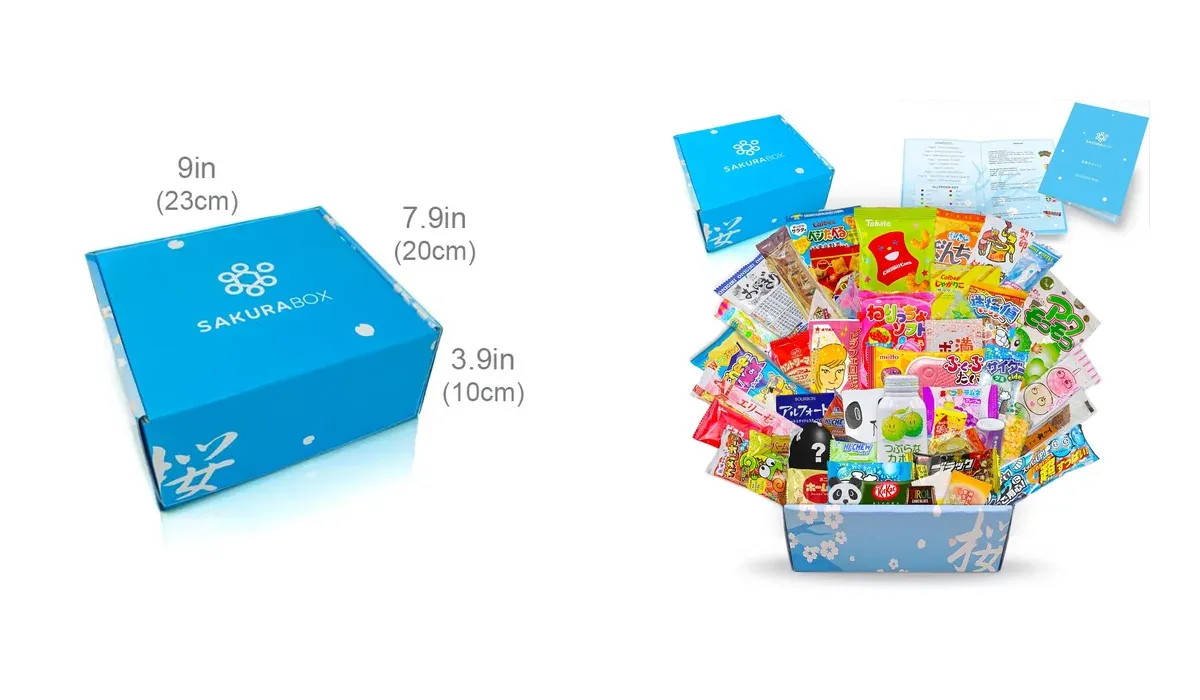
A subscription box is the only parcel a brand ships to the same customer twelve times a year, and that repetition changes the engineering brief. The box must absorb a different content mix every cycle, hold a unit cost the model can survive across the year, and still arrive as an event rather than a delivery. Subscription box packaging therefore works as a system of three layers — a constant outer box, a protective and presentational interior, and a variable print layer — rather than as twelve separate box designs.
The judgments below come from our factory in Humen, Dongguan, where we have engineered rigid and folding programmes for subscription, gift and e-commerce brands since 1998. They are written for the buying team that must commit a specification before month one ships and live with it through a full annual cycle.
Use the guide in one pass before briefing the factory. Buyers who arrive with the three-layer decision already made receive a useful digital sample in about 5 days; buyers who leave the layers open receive a sample that answers questions nobody asked. The difference is not the artwork — it is whether the first sample is a checkpoint or a restart.
The Three-Layer Structure of Subscription Box Packaging
The first layer is the outer box, and it is the constant. A rigid build in 1200 g greyboard wrapped in 157 g art paper is the gift-positioned choice: flat walls and square corners read as quality on a doorstep, and the same shell carries every month of the programme. A folding carton in 300 to 500 g board is the volume choice: it ships flat, assembles at pack-out and keeps per-box cost low enough for a mid-market price point. Mailer-style builds sit between the two, trading some presence for a self-sealing format that fulfilment teams like. Whichever structure wins, its die is chosen once and amortised across the year, which is why the outer box should be the most conservative decision in the specification.
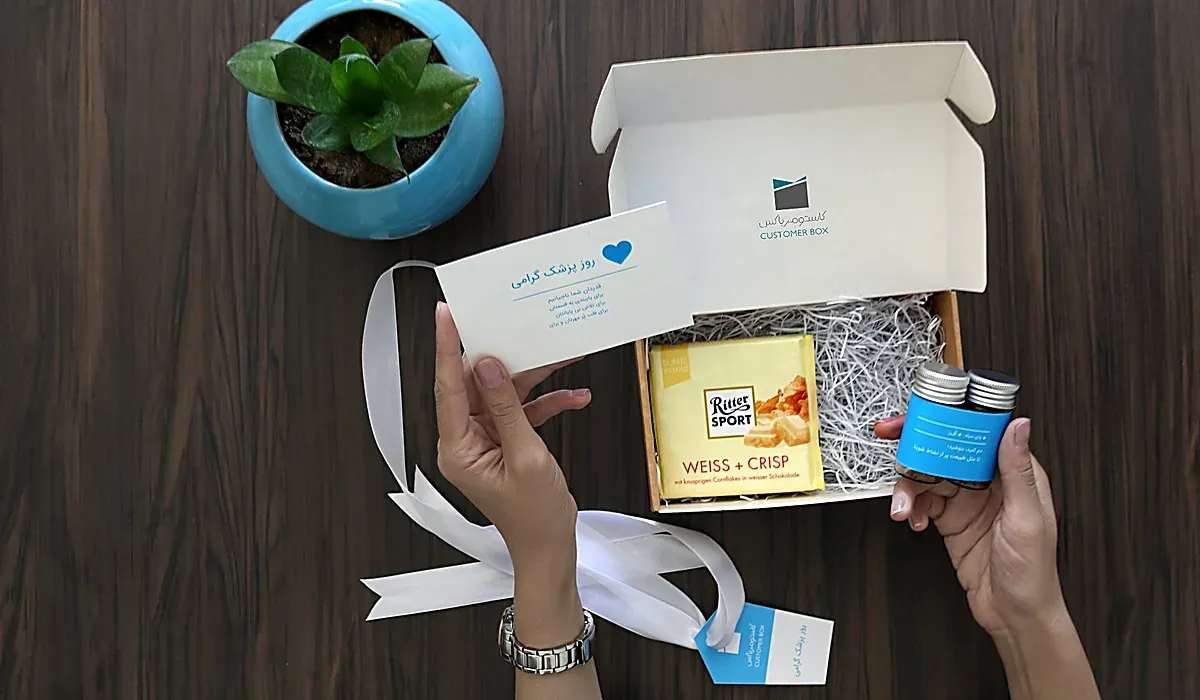
The second layer is the interior: the printed liner, the tissue, the platform that turns a shell into a scene. This is where the unboxing is staged, and it is also where monthly variation can live without ever touching the die. Interior print, coloured tissue and a printed platform are all inexpensive to change relative to the box itself, which is exactly the property a monthly programme needs.
The third layer is the filler, and it is the one buyers most often leave unspecified. Crinkle paper, tissue, cards and sachets all carry weight, and that weight lands in the master carton and in freight. A filler left to the fulfilment team becomes a cost line nobody owns; a filler specified with the box becomes part of the protection system, sized and counted like any other component.
The three layers divide the work cleanly: the structure protects, the interior presents, the filler adapts the box to the month. Programmes that blur the layers pay for it twice — once in freight, once in handling time at pack-out — and the invoice rarely shows which layer caused the leak.
Sizing the Cavity to the Heaviest Monthly Combination
The sizing rule for subscription programmes is blunt: size the interior to the heaviest realistic monthly combination, not to the average month. Content mixes drift through the year — a deluxe add-on in the anniversary month, a seasonal item in December, a collaboration in the launch quarter. The box that fits a light month will not fit the heaviest cycle, and that failure surfaces mid-year as an emergency reorder with a new die. Oversizing fails more quietly: every light month ships filler, air and dimensional freight instead of product. Both failures are cheaper to prevent at briefing than to absorb in month six.
The data for the decision already exists in the merchandising plan. Pull the planned monthly line-ups for a full year, mark the heaviest combination by bulk and by weight, and brief that combination as the design case. If the plan has not been written yet, write the heaviest plausible month before commissioning artwork, because the box will be quoted against it whether or not it has been decided.
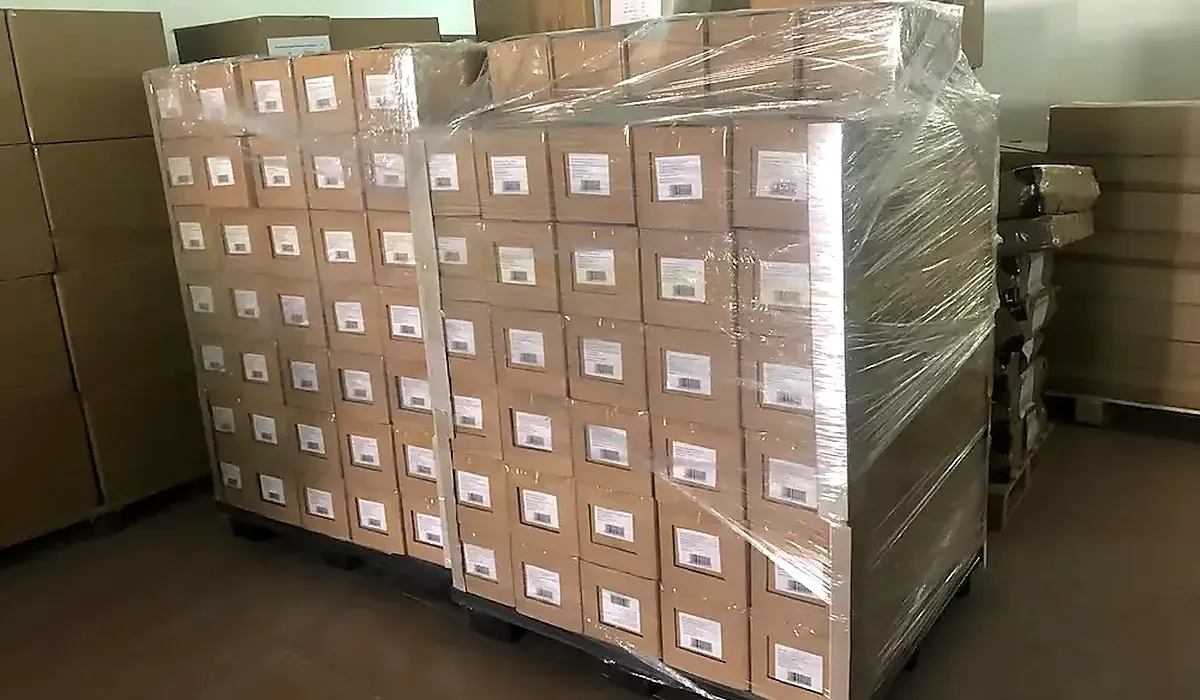
The master carton arithmetic belongs in the same conversation. Cartons are capped at 22 kg, and small formats pack at 100 pcs per master carton; dividing the ceiling by the pack quantity tells you what each box may weigh before freight density turns against the programme. A subscription box repeats that arithmetic every cycle, so a specification that barely clears it in month one fails loudly by month nine. State the intended pack-out — flat or assembled, with filler or without — before sampling, so the quotation reflects the real freight profile.
Flexible interiors soften the sizing risk. A platform insert with adaptable slots, a cinching sleeve for smaller months, or a two-tier layout that carries a full month plus a card leaves headroom without empty space. The goal is a cavity that accepts the heaviest month gracefully and the lightest month without rattle, because both months will happen and neither should feel like a compromise to the subscriber.
Flat-Shipped Versus Assembled: The Freight Difference
A folding carton ships flat: a master carton carries far more flat blanks than assembled boxes, the fulfilment house stores them in a fraction of the space, and assembly happens at pack-out. A rigid box ships assembled: it consumes volume in every trailer and on every warehouse shelf, and in exchange it delivers protection and shelf presence that no flat carton matches. Neither choice is correct in the abstract; they price differently across the same annual order.
Per-box cost is not the invoice figure. It is the board, the print, the assembly passes, the freight class and the seconds of labour at pack-out, added together and divided across twelve cycles. A rigid box that needs three insert placements and a ribbon tie at the fulfilment centre costs more per shipped unit than its unit price suggests. Ask the factory how many handling passes the build needs on the line, and ask the fulfilment team how many seconds it needs per box; the honest comparison happens between those two numbers, not on the quotation alone.
Warehousing behaves the same way. Flat blanks stack in a pallet footprint that shrinks the storage line item; assembled boxes consume that footprint all year, and storage is billed monthly whether or not the programme notices. For a programme shipping at volume, the freight and storage difference between flat and assembled is often larger than the print difference between the plainest and the best-looking box.
On our 5,000 m² floor in Humen, Dongguan, 100 staff run wrapping and inserting as consecutive cells, so the difference between a flat-shipped and an assembled programme is visible in the production schedule itself. An assembled rigid build books assembly capacity at the factory; a flat programme moves through printing and die-cutting and leaves the rest to the buyer. That is a real cost difference on both sides of the shipment, and it belongs in the specification rather than in the reconciliation.
Print Layers for Monthly Theme Changes
Monthly themes are a printing problem, and the problem is solved by separating the constant from the variable. The constant is the die, the structure and the base wrap — chosen once, amortised across the year. The variable is everything that changes with the calendar: the belly band, the wrap-around sleeve, the insert cards, the interior print. A theme executed on the variable layer costs the print run of a small component; a theme executed on the box itself costs a new die, a new minimum and a new approval cycle every month.
Across 50+ brands and 1,000+ cases in subscription, gift and e-commerce programmes, the pattern that survives is consistent: the outer box holds its identity for at least a full year, and the novelty migrates to sleeves, cards and interior colour. Buyers who invert the pattern — a new box identity every quarter — discover that die and plate costs never amortise and the minimum never spreads across enough months to matter.
Colour management across months is the quiet detail. If each month's sleeve is printed as a separate small run, the brand colour drifts from run to run unless the factory holds a standard. Ask for the brand colour to be held as a reference across all variable components, so month three matches month eleven; the request costs nothing at briefing and is expensive to retrofit after a mismatch reaches subscribers.
The variable layer is also where sustainability commitments are easiest to keep. FSC-ready board is available on request for the box, and the cards and sleeves follow the same request; flag the requirement at quotation so certified board stock is allocated before production scheduling. A programme that keeps one structure and varies lightweight print runs a lighter material profile than one that retools the box every month.
Pause Cycles, Cancellations and the Production Calendar
Churn is part of the subscription model: subscribers pause, skip and cancel, and the packaging plan has to absorb that without writing off inventory. The risk concentrates in themed components. A box printed for a single campaign month is dead inventory the day the month passes; a constant outer box with monthly cards keeps the exposure small, because leftover shells feed the next cycle and only the lightweight variable components sit at risk. When a subscriber hits a pause or a cancel event on the billing platform, nothing about the box specification needs to change — which is exactly the point of keeping the box constant. Order the variable layer monthly, never the structure, and never twelve months of themed print in January.
The production calendar rewards a complete specification. A quotation is issued within about 24 hours of a complete brief, and technical questions are answered within 12 hours. A free digital sample takes about 5 days, mass production runs 10-20 working days after sample approval, and payment is 30 percent deposit with the balance before shipment.
MOQ starts from 100 pcs per size and design, so a first month can be a genuine trial before the annual commitment is signed. Magnetic closures and complex inserts carry higher minimums because of assembly passes; the quotation states the exact quantity per design.
Scale matters for a programme that repeats. The factory runs about US$10 million in annual output and ships to 80+ countries, which places a monthly replenishment order inside a normal production flow rather than at its margins. AQL inspection runs before packing, so every cycle is sampled against the approved master rather than merely counted — the kind of repeatability a twelve-cycle programme depends on.
Frequently Asked Questions
How do I size a subscription box for changing monthly content?
Size the interior to the heaviest realistic monthly combination, not the average month, and hold that dimension constant for the year. Variable content is absorbed by sleeves, cards and filler rather than by a new box. Oversizing to be safe costs filler and freight every cycle; undersizing surfaces as an emergency die change mid-year, which costs far more than the headroom.
Should subscription boxes ship flat or fully assembled?
Folding cartons ship flat, pack densely in master cartons and are assembled at pack-out, which keeps freight and storage costs low across the year. Rigid boxes ship assembled and earn their volume on presentation and protection. The decision follows the channel: e-commerce fulfilment favours flat, gift-positioned programmes justify the assembled space.
How do we change the theme each month without reordering everything?
Keep the box constant and move the theme to the variable layer: belly bands, sleeves, insert cards and interior prints. The die is amortised across the year and only the small components are reordered each cycle. This is the pattern that holds both cost and colour consistency stable across a twelve-month programme.
What happens to packaging inventory when subscribers pause or cancel?
Pause and cancel events are normal churn, so themed inventory is the risk. A constant outer box with variable printed cards keeps the exposure small, because leftover shells feed the next cycle and only the cards sit at risk. Order variable components monthly rather than locking a year of themed print into inventory in the first quarter.
What is the MOQ for a monthly subscription programme?
MOQ starts from 100 pcs per size and design on most structures, so a first month can be a genuine trial before the annual commitment. Magnetic closures and complex inserts carry higher minimums because of assembly passes. Exact quantities per design are confirmed on your quotation, which is issued within about 24 hours of a complete specification.
How long do sampling and production take?
A quotation arrives within about 24 hours of a complete specification and technical questions are answered within 12 hours. A free digital sample takes about 5 days, and mass production runs 10-20 working days after approval. Payment is 30 percent deposit and 70 percent balance before shipment, with AQL inspection before packing.
Conclusion
Subscription box packaging rewards the brand that separates the constant from the variable: one outer box engineered for the heaviest monthly combination, an interior that presents, a filler layer that adapts, and a print layer that changes with the calendar without touching the die. Freight behaviour, pause cycles and pack-out labour all follow from that split, and a specification that states it clearly moves through quotation, sampling and production on a predictable calendar. Send your monthly content plan, quantities and fulfilment route, and Request a Wholesale Quote from our Dongguan factory — the quotation arrives within about 24 hours and the first digital sample within about 5 days.