Buying Guides
Mother's Day Gift Packaging: Sets That Carry Sentiment
Mother's Day gift packaging: box-in-box set logic, spring timelines with samples in about 5 days, foil and soft-touch finishes, retail and DTC versions.
Opening
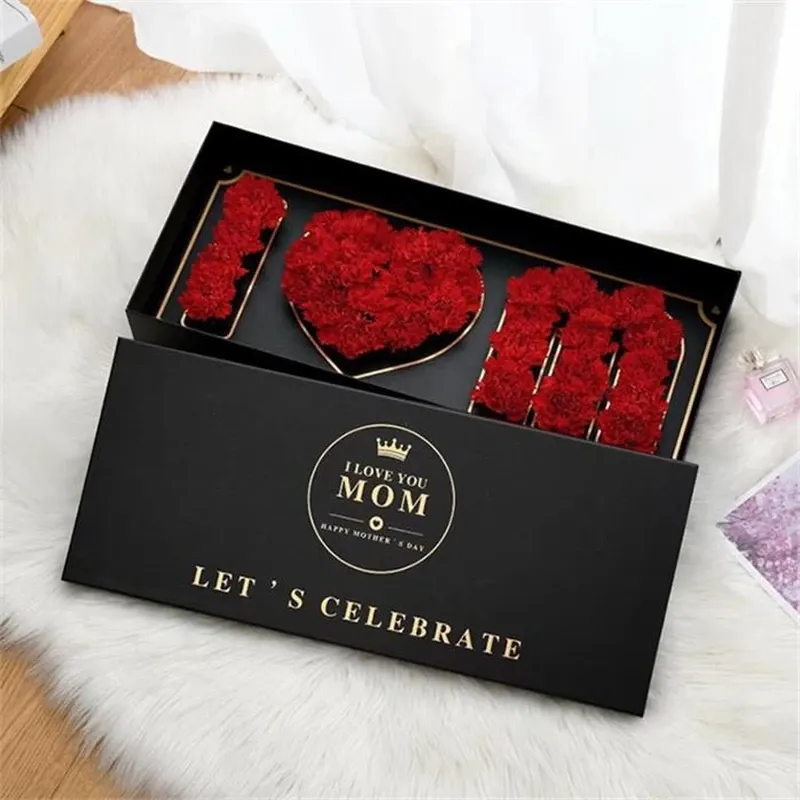
Mother's Day gift packaging is bought as a set or not bought at all. A candle is a candle; a candle boxed above a soap and a small jewellery pouch is a gift. The set is what the season sells, and the set is a structural problem before it is an artwork problem: what the outer box carries, how the inner cavities separate items of different heights, and where the message card sits. Decide the set logic first and the finishes have something worth decorating.
The judgments below come from our factory in Humen, Dongguan, where we have built seasonal gift programmes since 1998 across 1,000+ cases and 50+ brands. Spring gifting peaks arrive on a fixed calendar, which makes the timeline the least forgiving part of the programme: the set that samples late prints late, and the season does not move for anyone.
Use the guide before you brief the factory. A brief that fixes the set contents and the channel returns a quotation within about 24 hours and a free digital sample in about 5 days; production then runs 10 to 20 working days after approval, which is the arithmetic the spring calendar is built from.
Why Mother's Day Gift Packaging Is a Set Problem
The outer carrier is the brand surface, and it earns the rigid build. A set box in 1200 g greyboard wrapped in 157 g art paper keeps its walls flat under the weight of the contents and its corners square on the counter; lighter constructions rack when a multi-item set is lifted by one hand, and a racked corner is visible from across a shop floor. The wrap takes lamination, foil and spot UV without hiding the crease lines, which is what keeps the outer looking engineered rather than decorated.
Inside, two architectures cover most sets. Box-in-box places a small folding carton or drawer inside the rigid case — each product keeps its own box and the outer case unifies them; the consumer keeps or re-gifts the inner boxes, and the outer carries the occasion. Multi-cavity builds cut one interior into stepped cavities — tall items at the back, flat items at the front — so a mixed set presents at a single glance when the lid is removed. Dividers in board or formed inserts hold the cavities, and the choice follows product weight and how precisely each item must sit.
Sourcing the set from one factory is a colour decision as much as a logistics one. The rigid case, the inner cartons and any sleeve share print processes and boards from the same floor, so the brand colour matches across components instead of drifting between suppliers. Across 50+ brands the sets that read as premium are almost always single-source sets; the ones that read as assembled are not.
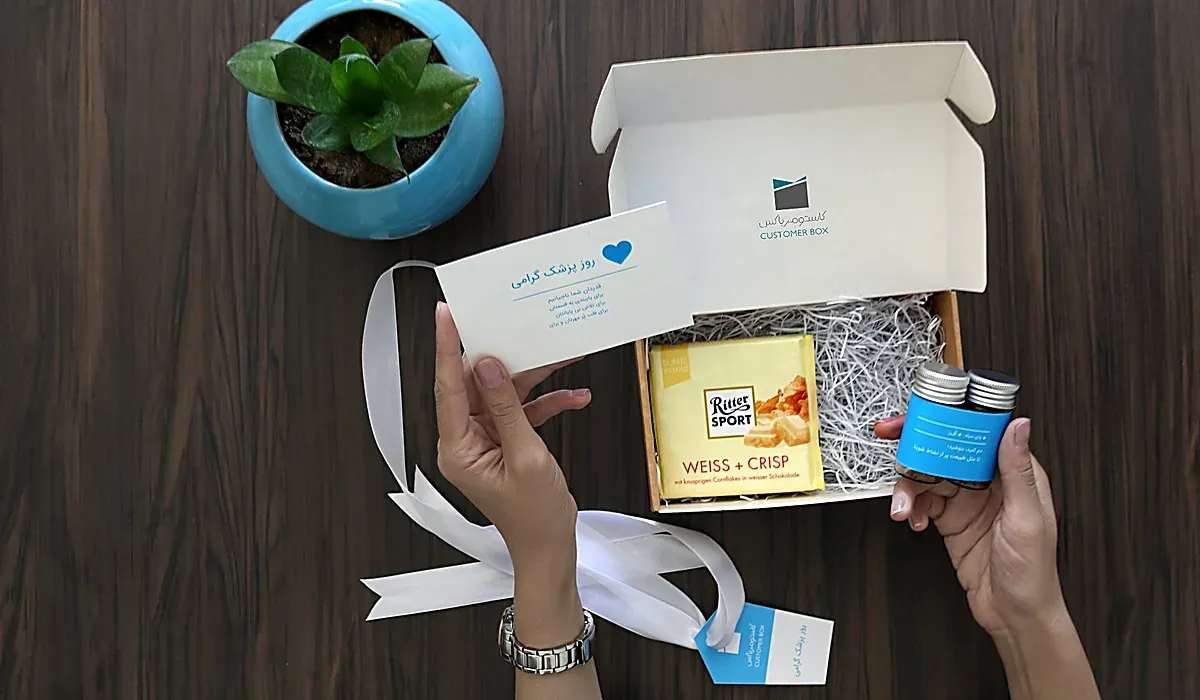
The message card is the smallest component in the set and the one most often respecified. A card slot cut under the lid panel holds the card at the reveal angle; a card laid loose on the tissue migrates in transit and arrives where it was never photographed. Card size is decided with the box, not after it: a card that overhangs the cavity tray cannot be inserted without unloading the set, and a card too small for its slot reads as an afterthought. Sampling includes the card in place, so the whole set is inspected as it will ship rather than as its components were drawn.
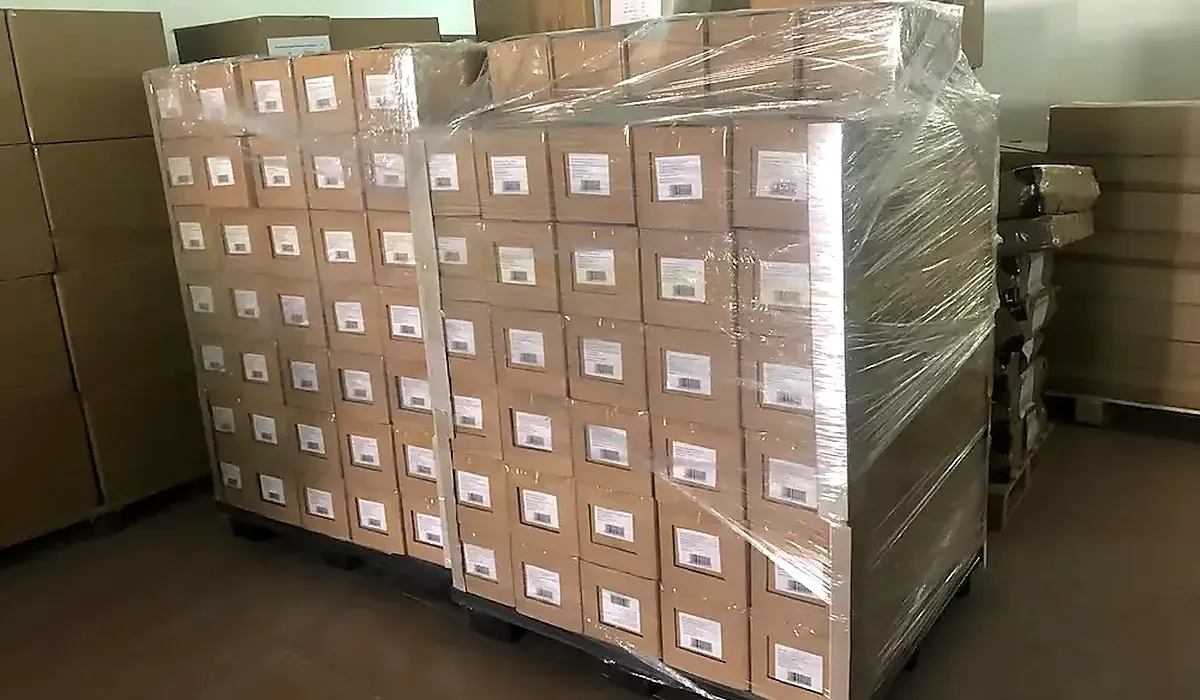
Freight is the quiet constraint on sets. Master cartons are capped at 22 kg, and the packing baseline of 100 pcs per master carton applies to standard single-item builds; a built multi-item set is heavier per unit and packs fewer to a carton, so the set's packed height and weight belong in the specification at briefing — they decide the carton and the freight class before the artwork does.
The Spring Timeline: Sampling, Approval and the Countdown
The sequence is fixed and the dates move backwards from the retail window. A complete specification returns a quotation within about 24 hours; technical questions are answered within 12 hours; a free digital sample follows in about 5 days; and approval triggers mass production of 10 to 20 working days. Payment is 30 percent deposit and the balance before shipment, and AQL inspection runs before packing so the cartons that leave the line are sampled against the approved master.
Festival capacity is confirmed, never assumed. Factory closures around major holidays are confirmed on your quote, so the production window you are booking is stated in writing at quotation — the calendar you build from that sentence holds, because every stage has one gate and no stage overlaps the next. Retail buying windows compress the front of that calendar: the sample gate is where programmes are won, which is why the specification arrives complete rather than in instalments.
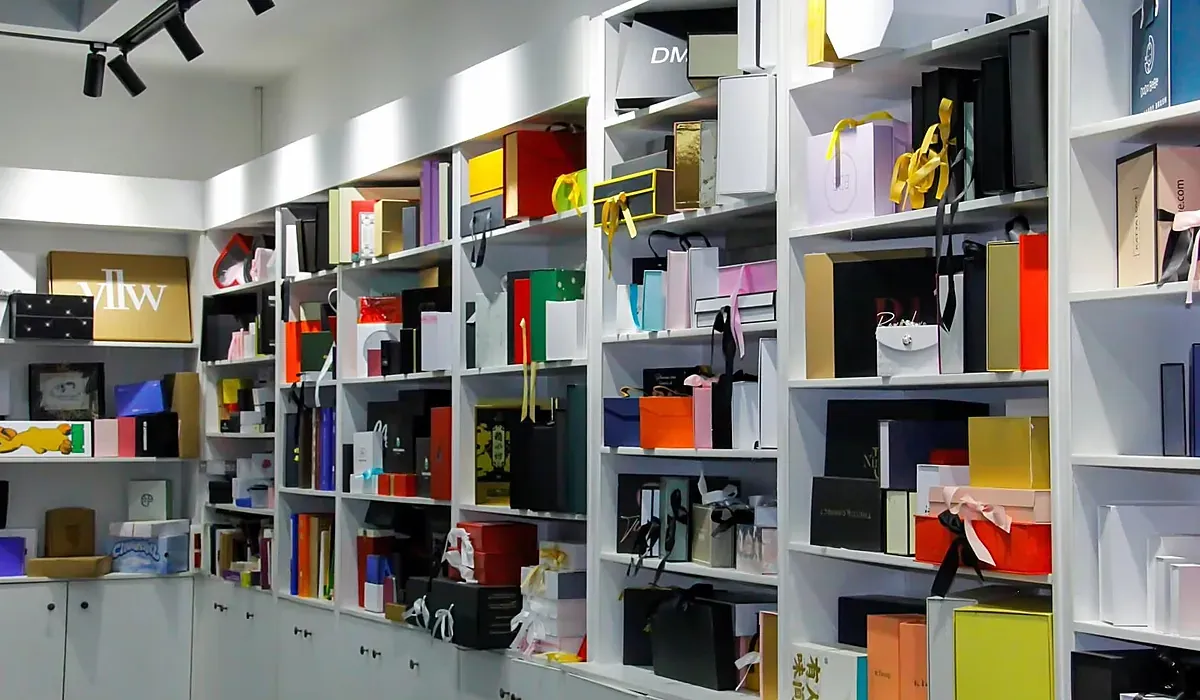
Set assembly adds stages that single-box programmes do not have — inner cartons folded, cavities loaded, cards placed — and the floor absorbs them as consecutive cells. On 5,000 m², about 100 staff run wrapping, inserting and set assembly in sequence, so a change made at sampling moves directly into the line without a second set-up.
Programmes serving two channels sample both versions, not one. The retail set is sampled built and loaded, with the tilt test and the loaded-carton check; the direct-to-consumer version is sampled folded flat and assembled at a bench, timed the way a warehouse will time it. The two samples share artwork and insert logic, so a change made on one propagates to the other at drawing level — cheap — rather than at tooling level, which is not. This is the quiet argument for briefing both versions together instead of adding the second channel after the first has been approved.
Finishes That Say Celebration: Foil, Soft-Touch and the Interior
The seasonal finish language is short and effective. Hot foil in a single brand colour carries celebration better than full-coverage gloss; soft-touch lamination adds the tactile warmth the occasion is bought for; spot UV raises a word or a floral outline against a matte field. Most programmes hold to two finishes; a third adds a set-up pass and registration risk on surfaces the size of a palm and rarely repays itself.
The interior is the seasonal surface buyers forget. A printed message inside the lid, a card slot under the lid panel or a colour wash inside the case is seen exactly once — at the reveal — and remembered precisely because of that. Interior print adds a pass, so it earns its place on gift-led programmes and is trimmed on replenishment lines where the box is restocked every few weeks.
Sustainability fits the seasonal brief when it is specified rather than implied. The factory is FSC-ready and can supply certified board on request for the rigid case and the inner cartons alike; flag the chain-of-custody requirement at quotation so certified stock is allocated before production scheduling and the spring date does not move.
Foil colour is a seasonal decision with a technical edge. Metallics — gold, rose, silver — read as celebration against deep matte fields and are the season's default; a brand colour in foil works when the colour carries enough depth to separate from the wrap, which the sample proves or disproves quickly. Soft-touch lamination pairs with foil in one direction only: foil applied over lamination holds a crisper edge than foil applied under it, and the choice is fixed at specification because it changes the process order. Both interactions are visible on the digital sample, which is where they cost nothing to test.
One Set, Two Channels: Retail and Direct-to-Consumer
The retail version is built, weighted and displayed. It stands on a counter, survives handling and acts as its own display prop, which is why the rigid 1200 g build with a 157 g art paper wrap is the retail default and why the MOQ conversation starts from 100 pcs per size and design.
The direct-to-consumer version carries the same artwork and drops the weight. The outer becomes a folding carton in 300 to 500 g board with an insert carrying the protection, shipped flat and assembled at the fulfilment bench before despatch, so the warehouse folds instead of a courier punishing a built box. The reveal survives because the layers are preserved: transit carton, product box, message card, in the same order the retail set presents them.
Both versions close on the same disciplines. Cartons are capped at 22 kg and standard builds follow the packing baseline of 100 pcs per master carton, verified during sampling with a loaded-carton tilt test. Output runs at about US$10 million a year across 80+ countries, so a seasonal set sits inside a normal production flow rather than at its margins — and the two-channel decision is taken at briefing, where it costs a specification line, not after launch, where it costs a reprint.
For the direct-to-consumer version, the insert does double duty. It carries the protection that the built retail case provides by its walls, and it sets the reveal order the retail set delivers by structure — card first, product second. A folding carton whose insert lets everything rattle loses the reveal on the way to the doorstep; a tight insert turns the same artwork into the same gift. The insert is drop-tested at sampling at the heights the courier lane actually produces, and the test is repeated with the card in its slot, because cards are the first components to travel inside a carton.
Quantities, Reorders and the Season
Seasonal programmes live or die on the reorder. A set that sells through its first allocation needs a second run inside the same season, and a second run is only fast when the specification is frozen: the approved master, the insert set and the assembly sequence are already on file, so the reorder returns a quotation within about 24 hours and re-enters the 10 to 20 working days production window, subject to the line calendar confirmed on your quote. The specification freeze is the whole trick — a reorder that reopens artwork reopens every gate behind it.
Quantity planning follows the channel split. Retail programmes commit to allocations and reorder when the first allocation clears; direct-to-consumer programmes reorder on sales velocity and hold flat cartons rather than built sets, because the assembly happens at the fulfilment bench on the day the order ships. Both patterns run on the same tooling; what changes is who folds, and when. State the pattern at briefing and the factory plans the assembly cells around it, which is where the seasonal calendar either bends or breaks.
Frequently Asked Questions
What goes into a Mother's Day gift set?
Two architectures cover most sets. Box-in-box keeps each product in its own small carton inside a rigid outer case, so items can be regifted; a multi-cavity interior cuts stepped positions for items of different heights so the set presents at one glance. The outer case runs in 1200 g greyboard with a 157 g art paper wrap, and dividers are board or formed inserts chosen by product weight.
When should Mother's Day gift packaging be ordered?
A complete specification returns a quotation within about 24 hours, a free digital sample in about 5 days, and mass production runs 10 to 20 working days after approval. Factory closures around major holidays are confirmed on your quote, so the booked window is stated in writing at quotation. Work backwards from your retail window and protect the sample gate first.
Which finishes create the seasonal feel?
Hot foil in a single brand colour, soft-touch lamination and spot UV carry the celebration, and a printed message inside the lid earns the reveal moment. Most programmes hold to two finishes, because a third adds a set-up pass and registration risk on small surfaces. Finish choices are sampled together, since foil and lamination interact depending on which is applied first.
Can one structure serve retail and online channels?
Yes, as two versions of one design. Retail takes the built rigid case in 1200 g greyboard; direct-to-consumer takes a folding carton in 300 to 500 g board with an insert carrying the protection, shipped flat and assembled at the fulfilment bench. The artwork, the insert logic and the reveal sequence carry across, so both channels open the same gift.
What are the MOQ and sampling times?
MOQ starts from 100 pcs per size and design, which makes a two-version seasonal trial realistic. Complex builds with magnets or drawers run 300-500 pcs because placement dies and hand assembly dominate cost at low volume. A free digital sample takes about 5 days from a complete specification, and technical questions are answered within 12 hours while the spring calendar still has room.
How are gift sets packed and inspected?
Cartons are capped at 22 kg, and standard builds follow the packing baseline of 100 pcs per master carton; built sets are loaded and tilt-tested at sampling because they are heavier per unit. AQL inspection runs before packing, so every carton is sampled against the approved master rather than merely counted, with export packing matched to the destination market.
Conclusion
Mother's Day gift packaging is a set decision before it is a printing decision: choose the outer build that carries the contents, pick box-in-box or a multi-cavity interior for the way the gift is opened, and let the foil and soft-touch decorate a structure that already works. The spring calendar then runs itself — quotation within about 24 hours, a digital sample in about 5 days, and 10 to 20 working days of production after approval, with holiday closures confirmed on your quote. Send your set contents, quantities and channels, and Request a Wholesale Quote from our Dongguan factory.