Buying Guides
Footwear Box & Insole Packaging
Footwear box and insole packaging must protect shape and present the brand. Explore rigid shoe boxes, inserts, e-commerce mailers, and transit packs for brands.
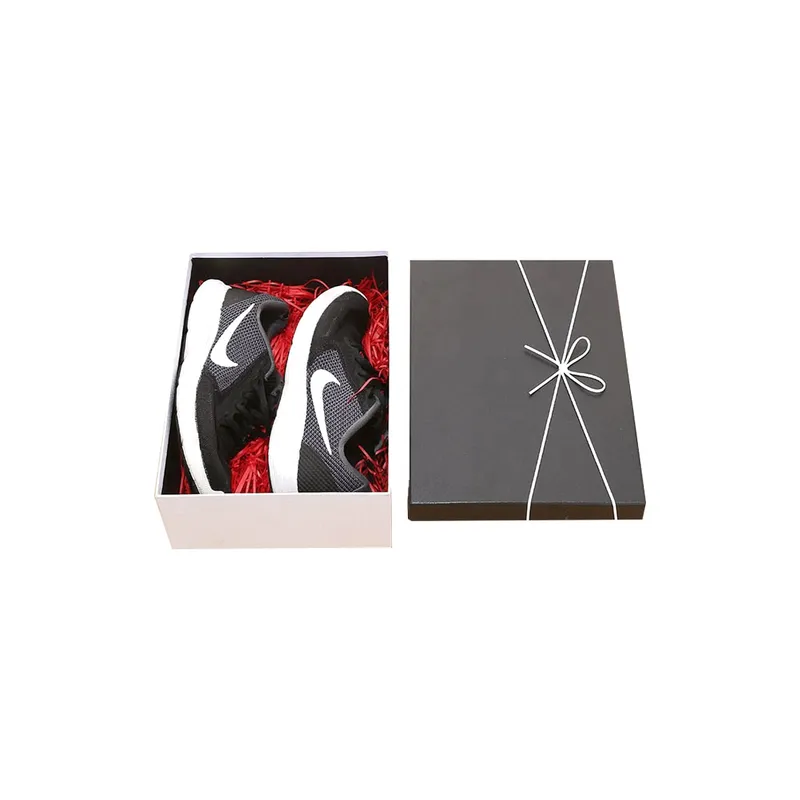
Shoes are bulky, shaped, and easily deformed, and the box is as much a part of the product as the shoe itself. A crushed toe box, a creased upper, or a missing insole turns a premium pair into a return, and on the shelf the shoe box is the brand's handshake with the shopper. Importers and private-label brands that ship footwear by the container learn that the box, the insert, and the insole placement decide whether the pair arrives presentation-ready.
It helps to put the operating figures on the table. Our export desk covers 80+ countries on repeat programs. We have delivered 1,000+ custom case projects across the catalog.
Footwear also straddles two channels with different needs: retail wants a sturdy, brand-forward box that stacks and displays, while e-commerce wants a mailer that survives a parcel journey without a second box. The insole and the stuffing are the unsung heroes that hold the shoe's shape through both. This article covers the shoe box as brand and protection, insole and insert engineering, retail and e-commerce dual use, sustainable boxes, brand signal, and the master case.
The Shoe Box as Brand and Protection
The shoe box is the most handled part of the footwear purchase, opened in the store, at home, and often kept for storage, so it carries brand weight far beyond containment. Rigid boxes built from 157 g face paper over 1200 g greyboard give a premium, stack-stable shell that protects the toe and heel from crush, while a 300 to 500 g folding carton suits value and high-volume lines where cost per unit matters more than heft.
The box must hold its shape under stack load in the warehouse and the container, because footwear is heavy relative to its volume and stacked boxes multiply the load on the bottom units. A well-spec'd board grade and a tight lid prevent the toe box from collapsing, which is the most common and most damaging footwear defect. Incoming and outgoing lots are checked against AQL sampling plans so a weak board or a short glue line is caught in the sample rather than after a container is at sea, and orders carry a 60-day quality guarantee on workmanship.
For brands, the box is also a canvas: the lid, the side panels, and the inside lid can carry the logo, the size, the care instructions, and a brand story. Digital proofs turned around in about five working days at no charge let a brand validate the box art and dieline together, and large runs use offset litho printing for consistent brand color so the tenth thousand boxes match the first rather than drifting.
Insole and Insert Engineering
The insole and the internal stuffing are what hold the shoe's shape, and they deserve as much specification as the box. A shaped tissue or a molded insert supports the vamp and the heel counter so the upper does not crease or collapse, and a stuffed toe keeps the toe box from flattening under stack pressure. The insole itself should be placed flat and secured so it does not ruck up inside the shoe during transit, which is a frequent and annoying defect.
For boots and structured footwear, a stiffener or a shaped form at the shaft prevents the boot from folding, and a heel support keeps the counter from bending. The insert material should be clean and low-abrasion so it does not mark the lining, and for light-colored interiors a white or neutral tissue avoids transfer. BoxesChina runs about 100 staff on one site for sampling, printing, and QC, so the box and the insert are validated in the same loop rather than separately.
Behind the artwork, the factory runs to a fixed standard. We support 50+ private-label brands as their packaging partner. Digital proofs come back in roughly 5 days at no charge. We quote from 100 pcs per SKU on a first run.
Moisture during ocean transit can wrinkle tissue and encourage odor or mildew in natural uppers, so a desiccant sachet or a moisture-resistant box coating helps on long routes. The practical rule is to treat the insole and stuffing as part of the protective system, specified against the shoe shape, rather than a generic wad of paper added at pack-out.
Retail and E-commerce Dual Use
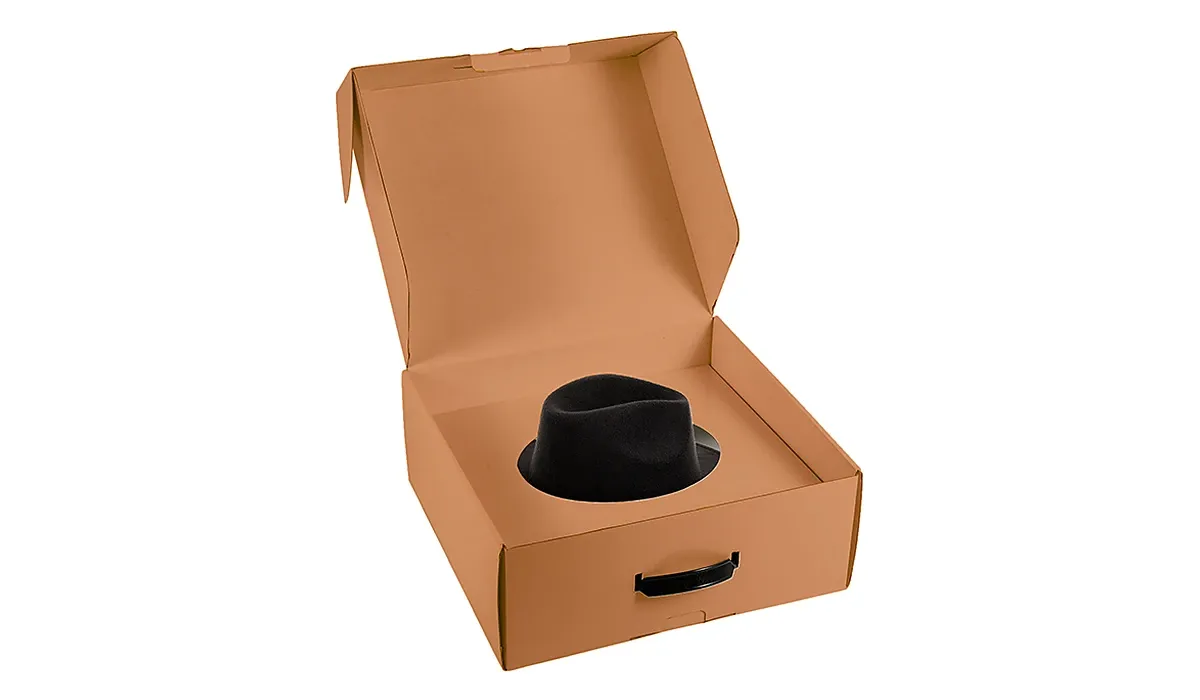
Retail footwear wants a box that displays and stacks, while e-commerce wants a mailer that arrives tidy without a second shipper, and many brands now need both from one specification. A sturdy shoe box can double as its own mailer when wrapped or sleaved for parcel transit, avoiding the cost and waste of boxing the box. For pure DTC, a mailer with internal inserts that hold the shoe mirrors the retail box's protection in a shipper form.
The dual-use approach reduces SKUs and inventory: one box, two channels, shared artwork. The box must therefore meet both the retail display standard and the parcel-drop standard, which usually means a slightly heavier board and a more secure closure than retail alone would require. More than 50 private-label brands use our lines for their packaging, so the retail-and-mailer footwear box is a well-understood format specified quickly rather than designed from scratch.
For importers, the channel mix should be confirmed before tooling, because a box optimized only for retail may fail parcel transit and a box optimized only for mailer may be over-built and costly for store stock. The proof loop resolves this: minimum order quantity starts at 100 pieces per SKU, so a new box can launch in a small run and scale, and mass production runs 10 to 20 working days after sign-off.
These are the constants we hold on every order. Volume runs take 10-20 working days once the proof is approved. For folding cartons we work in 300-500 g board grades.
Sustainable and Reusable Boxes
Footwear boxes are a visible sustainability target because they are large and often discarded, so brands are moving to right-sized boxes, recycled board, and reusable structures. FSC-ready chain-of-custody readiness for paperboard programs lets a brand signal responsible fibre where a retailer or market demands it, and a folding carton in the 300 to 500 g board grade can be specified with recycled content while holding the shoe.
A reusable shoe box, one sturdy enough to keep for storage, turns a liability into a brand touchpoint and reduces discard, and a rigid box using 157 g face paper over 1200 g greyboard is the natural choice for that role. The trade-off is cost, so the decision should be tuned to the price tier: premium footwear can absorb a reusable box, while value lines need the leanest compliant structure that still protects.
The plant covers roughly 5,000 m2 of production and warehouse space, giving room to stage footwear runs with their inserts and stuffing without crowding the line, and annual output is backed by roughly US$10M in production capacity. BoxesChina supplies buyers in 80 plus countries through export documentation, which keeps the carton and the entry paperwork aligned for cross-region footwear shipments.
Brand Color and Shelf Signal
On the shelf the shoe box is the brand, so the print and finish decide the perceived value. A consistent palette, a confident logo placement, and a clear size and style hierarchy beat a cluttered box, and soft-touch coatings or a single foil hit read premium at a folding-carton cost. The finish should be tuned to the price tier so the package signals the correct value rather than over- or under-shooting.
One practical note on how the carton is actually built. Payment is 30/70, with the balance due before dispatch.
Color consistency across reorders is critical because footwear programs reorder constantly and a box that drifts looks like a different product line. Offset litho on large runs keeps the box color true to the approved proof, and the palette is locked at the digital proof stage, which turns around in about five working days at no charge. That prevents the mismatch that confuses shoppers and store staff alike.
Inside the lid is an underused brand surface: care instructions, a brand story, and a QR link to sizing or sustainability content all fit there without cluttering the outside. The inside print is also protected from scuff, so it stays pristine through the supply chain, which makes it a high-value, low-risk branding opportunity for footwear brands.
Master Case, Transit, and the Proof Loop
The master shipper protects the shoe boxes from crush and keeps the batch manageable. Cartons pack 100 pieces per shipper with total weight at or below 22 kg, which keeps the case within handling limits and prevents the overweight, dropped case that damages stock. Footwear is heavy, so the per-shipper count is often driven by weight before volume, and the shipper board must be rated for the load.
A tight corrugated shipper prevents the shoe boxes from sliding and corner-crushing one another, and a clear product, size range, and lot label speeds warehouse handling and reduces mis-picks that send the wrong size mix to a region. Quality at scale is verified through AQL sampling, and the proof-to-production loop is short: digital proofs in about five working days at no charge and mass production 10 to 20 working days after sign-off, so a new footwear box can test small and scale with the season.
Partnering With BoxesChina on shoe packaging
For importers and brands weighing footwear packaging, the partner question is who can hold shape protection, insole engineering, and brand color in one program. BoxesChina runs a manufacturing base built in Dongguan in 1998, with FSC-ready chain-of-custody readiness for paperboard and a record of 1,000 plus custom case programs shipped to date. That matters for footwear because the box, the insert, and the insole must agree on shoe shape and stack behavior.
The plant covers roughly 5,000 m2 and about 100 staff run sampling, printing, and QC on one site, keeping the proof-to-production loop short. MOQ starts at 100 pieces per SKU, digital proofs turn around in about five working days at no charge, and mass production typically runs 10 to 20 working days after sign-off. For footwear, that means the box grade, the insole placement, and the mailer option can be prototyped and validated before a container is committed rather than discovered after it is at sea.
Payment terms are commonly 30 percent deposit and 70 percent before shipment, with a 60-day quality guarantee on workmanship. We supply buyers in 80 plus countries through export documentation, and large runs use offset litho printing for consistent brand color across the program. Incoming and outgoing lots are checked against AQL sampling plans so the second thousand boxes match the first.
FAQ
What board grade fits a shoe box?
Rigid boxes built from 157 g face paper over 1200 g greyboard give a premium, crush-stable shell for the toe and heel, while a 300 to 500 g folding carton suits value and high-volume lines where cost per unit matters. The grade is chosen for stack load and perceived value, then prototyped before full production approval.
How do I stop shoes losing their shape?
Use a shaped tissue or molded insert to support the vamp and heel counter, stuff the toe to prevent collapse, and place the insole flat and secured so it does not ruck up. AQL sampling catches weak inserts early, and a 60-day guarantee backs workmanship so the pair arrives presentation-ready.
Can one box serve retail and e-commerce?
Yes, a sturdy shoe box can double as its own mailer when wrapped or sleaved for parcel transit, avoiding a second shipper, and a mailer with internal inserts mirrors the retail box for pure DTC. Confirm the channel mix before tooling so the board and closure meet both retail display and parcel-drop standards.
How can footwear packaging be more sustainable?
Specify recycled board in the 300 to 500 g grade, right-size the box, and consider a reusable rigid box using 157 g face paper over 1200 g greyboard for storage. FSC-ready readiness lets you signal responsible fibre where required, balancing the sustainability story with the necessary protection.
How do I keep box color consistent?
Offset litho on large runs keeps box color true to the approved proof, and the palette is locked at the digital proof stage, which turns around in about five working days at no charge. That prevents drift between reorders that makes a footwear line look inconsistent on the shelf.
What should the master shipper carry?
The shipper carries product identity, size range, and lot code, grouped at 100 pieces per shipper at or below 22 kg, with board rated for the footwear load to avoid crush and overweight handling. It must match entry paperwork for customs, and BoxesChina supplies export documentation for 80 plus countries.
How fast is sampling and production?
Digital proofs turn around in about five working days at no charge, so the box art, insert, and dieline can be approved before a full run. Mass production typically runs 10 to 20 working days after proof sign-off, letting a new footwear box test small and scale with the season.
What is the minimum order for custom shoe boxes?
Minimum order quantity starts at 100 pieces per SKU, so a new box, insert, or mailer can launch in a small test run. Large runs use offset litho for consistent color, and annual output is backed by roughly US$10M in capacity to absorb seasonal footwear peaks.
Conclusion
Footwear packaging is a shape-protection problem before it is a branding one, because a crushed toe or a creased upper is a return regardless of how beautiful the box looks. Support the shoe with the right insert, specify the box grade against stack load, and validate the box and insole on a small run before committing volume. If you want a Dongguan partner built in 1998 with FSC-ready paperboard readiness and export documentation for 80 plus countries, Request a Wholesale Quote and we will engineer your shoe box, your insole system, and your shipper to the shelf and the route.