Buying Guides
Custom Gift Bags: Structures, Handles and the Retail Moment
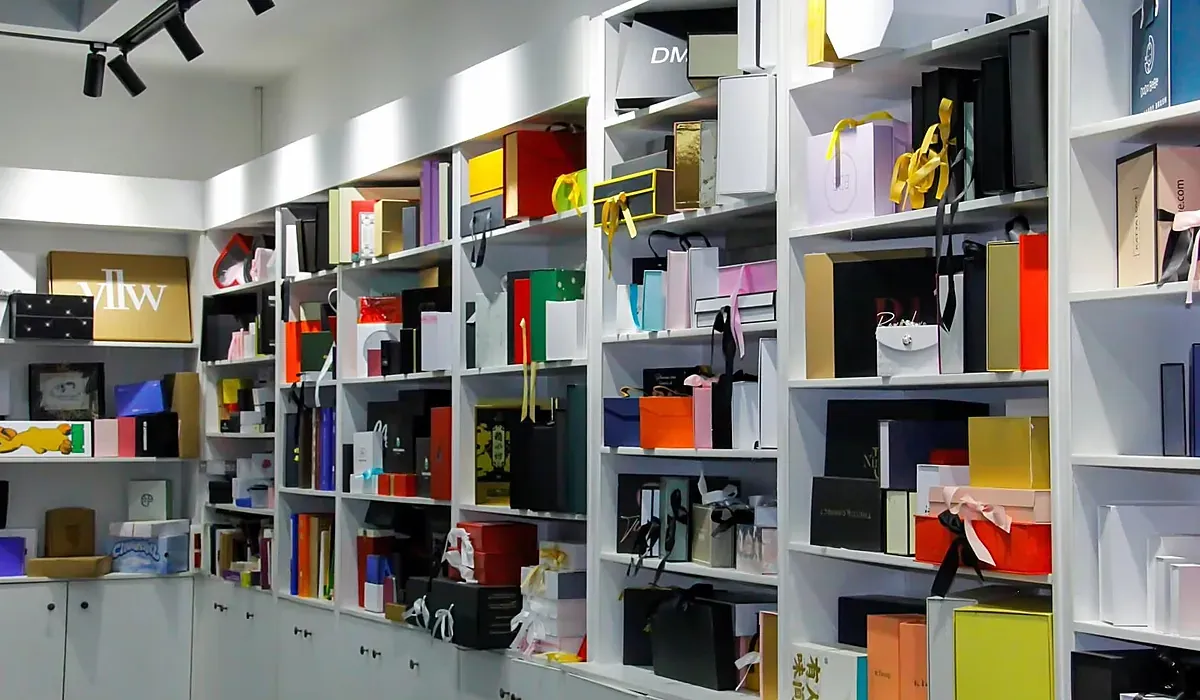
Custom gift bags wholesale: structures, handles and load matching, paper weights, the retail moment, MOQ 100 pcs, sample in about 5 days, factory since 1998.
Opening
Custom gift bags are the last object a customer carries out of the store and the first one handled again at home, which makes them both a logistics item and a piece of theatre. The specification that gets this right is not a long one — structure, handle, paper weight and the inner layout — but each of those decisions changes cost and perceived value more than artwork does. Our factory in Humen, Dongguan has built boxes and bags for premium brands since 1998, and the questions below are the ones buying teams ask before a bag programme moves to quotation.
The guide covers the three structures that cover most programmes, the handle types and how they match load, the paper weights behind a bag that carries, the retail moment staged inside the bag, and the line that separates a bag programme from a box programme. It is written to be used in one pass before briefing: buyers who arrive with those four decisions made receive a quotation within about 24 hours and a sample in about 5 days.
One note on scope. Everything here concerns the bag as a carrier and a stage, not as a substitute for protection. Where a product needs enclosure that survives a courier, the box leads and the bag follows — and the last section explains how to draw that line on purpose rather than by accident.
The Structure Family of Custom Gift Bags
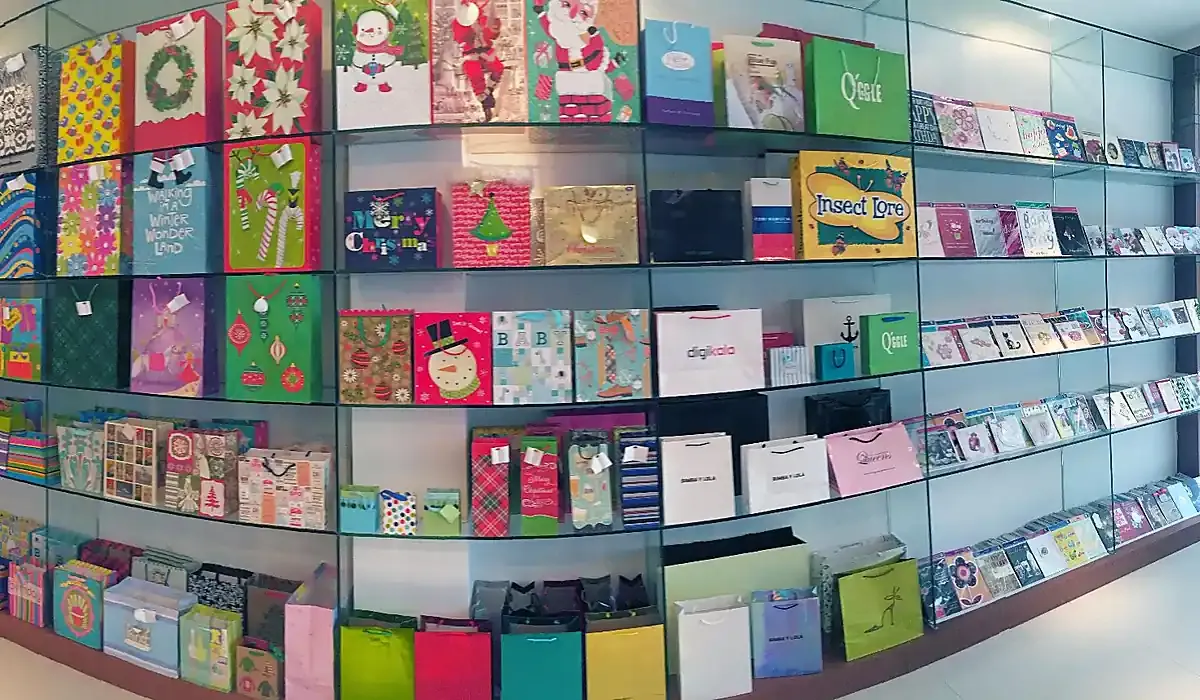
Three structures cover most custom gift bags. The V-bottom bag folds flat to a sheet, opens to a shallow V at the base, and is the lightest and least expensive build; it suits cards, apparel and other soft or flat goods where stance does not matter. The block-bottom bag — a square base with side gussets — stands upright on a shelf or till counter, holds boxed products square, and costs more paper and one more fold. The side-gusset bag sits between the two: it expands for volume, folds nearly as flat as the V-bottom, and suits mid-weight goods that need breathing room more than stance.
Structure is also a logistics decision. V-bottom bags nest by the hundred and revive with a shake; block-bottom bags ship pre-formed or need hand-opening at the counter, which is a labour line some retailers accept and others quietly refuse. Ask the store how bags will be loaded before you choose: a beautiful block-bottom bag that staff must open by hand all day is a specification the floor will abandon, no matter how it photographs.
Top construction completes the build. A turn-top — the top edge folded and glued before the handle goes through — adds stiffness and a clean line for punched holes or eyelets. On heavier bags the top fold also carries the reinforcement patch behind the handle, so it is not decoration; it is structure. Skipping the turn-top on a heavy build is the false economy sampling will expose.
Across 1,000+ cases for 50+ brands, the structure decision has predicted satisfaction better than any other line in the brief. The reason is simple: the structure is the part the store interacts with daily, while the artwork is the part the customer sees once. Programmes that optimise both, in that order, reorder; programmes that invert the priority come back for a structural revision within a year.
Handles: Rope, Tape and Punched
Handles divide into three families, and load decides the family. Cotton or polypropylene rope suits heavy carriers — the knot sits inside a reinforced patch and the load spreads through the seam rather than the face of the bag. Flat tape suits mid-weight retail bags and sits flatter on the shoulder; it is also the easiest handle to colour-match exactly to the body. Punched handles — the top panel itself formed into a grip through reinforcing holes — suit light boutique bags where nothing should protrude past the silhouette.
Attachment is where bags fail, so the reinforcement deserves as much attention as the handle. A glued patch behind the holes roughly doubles pull strength; an eyelet adds abrasion resistance for cord handles that see repeated use; a knotted rope end inside a patch cannot pull through where a clipped end can. During sampling, load a finished bag with the real product and carry it across the room: the test costs a minute and exposes a weak patch, a short cord or a knot that migrates.
Cord length is the detail buyers forget. A handle that clears the elbow carries differently from one that clears the wrist, and short, baggy cords on a large bag read as an afterthought the first time a customer lifts it. Give the factory the product weight and the carrying context — hand, forearm or shoulder — and the handle geometry is settled in the quote rather than discovered in the store.
Colour is the last handle decision and the cheapest to get right. Matching the cord to a secondary brand colour reads as considered; matching it to the bag paper reads as safe; leaving it natural reads as deliberate on kraft and rustic builds. All three are legitimate — the mistake is not deciding, which is how a default colour ends up arguing with the artwork.
Paper Weight and the Product It Carries
Paper weight follows the load, not the brand mood. Light boutique bags start around 157 g art paper, laminated to add body and print quality. Mid-weight carriers run heavier kraft or art board, and the heaviest gift bags — the ones expected to carry a boxed product — move into the 300 to 500 g range, where the bag becomes a structural object rather than a wrapper. Choosing the lightest weight that carries the load is the discipline that keeps unit cost honest.
When the bag carries a box, do the arithmetic in that order: the box first, the bag second. A rigid box in 1200 g greyboard wrapped in 157 g art paper has real weight before the product goes in, and the bag's base and handle attachments are engineered around that figure. Where the product is lighter, a folding carton in 300 to 500 g board inside the bag does the protection and the bag does the presentation — a pair that usually costs less than one heavy bag asked to do both jobs and does neither well.
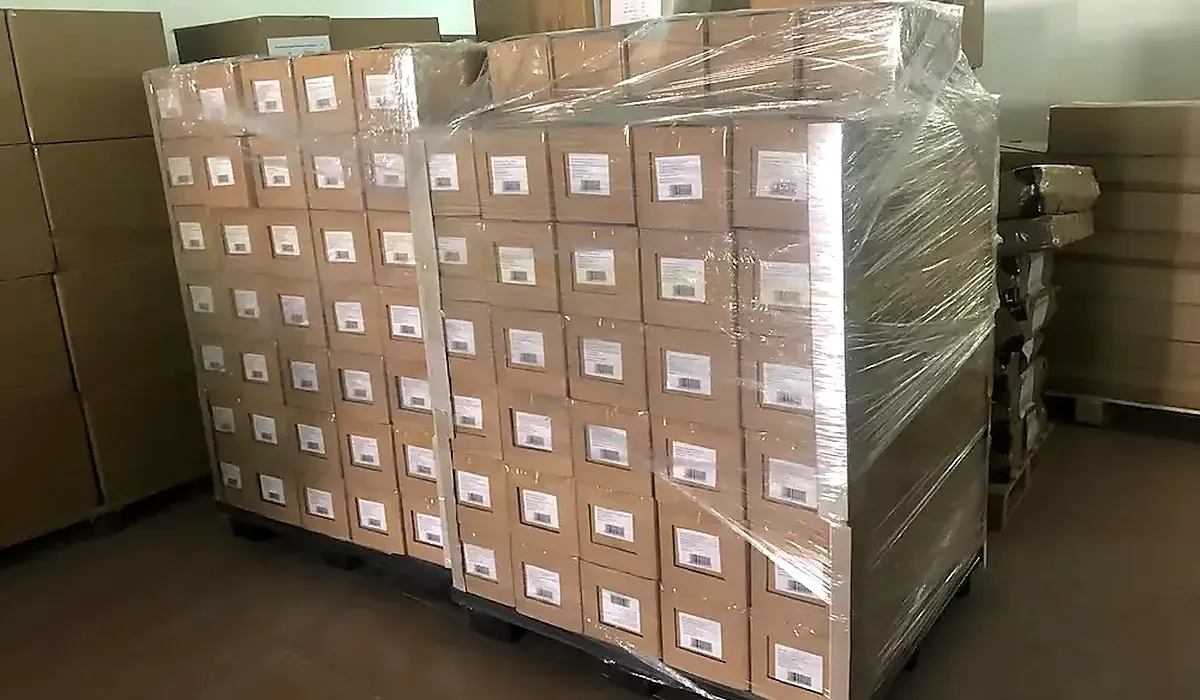
Cartonisation follows the same logic. Bags ship folded, and master cartons are capped at 22 kg; where the format allows we pack 100 pcs per master carton, and heavier builds reach the cap sooner. The number matters at the receiving dock and in the stockroom: a carton a store team can lift safely is a carton that gets unpacked correctly, and a specification that ignores it invites damage reports that blame the bag.
Kraft deserves a note of its own. It carries weight well, hides scuffing, and takes single-colour print with a natural warmth that suits heritage and grocery-adjacent brands. Its limitation is fine detail: uncoated kraft breaks small type just as raw jute does. If the artwork carries fine serifs or tight reverses, either move to a coated art board or accept a bolder mark — decide at briefing, not at sample.
The Retail Moment: Tissue, Ribbon and the Inner Layout
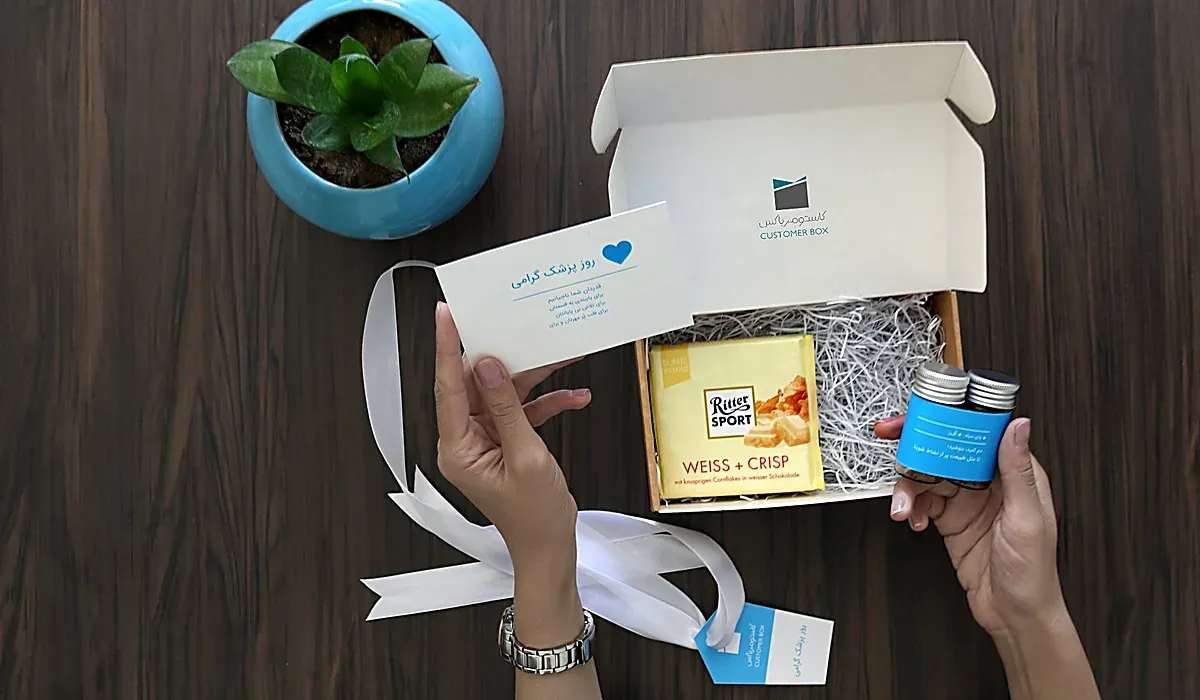
The bag is the stage; what sits inside it is the performance. A sheet or two of branded tissue, the product nested with the logo facing outward as the bag opens, a sticker sealing the fold — this arrangement costs a fraction of the bag and lifts the moment disproportionately, because the customer's second contact with the brand happens inside the bag, at the moment of unwrapping. The first contact is the bag itself; the second is what the bag reveals.
Colour does the work here, not print volume. Tissue in a brand tone against a neutral bag reads as deliberate; a second ribbon colour on the handles reads as considered; a sticker that repeats the tag design closes the system. Interior printing — a pattern or wordmark inside the bag — is available on laminated builds and rewards programmes where the bag is reused in public, because the interior is what the next user sees first.
Keep the inner layout manufacturable. Tissue sheets, stickers and ribbon are separate lines, each with its own minimum and each adding a packing pass, so three touches cost three times the labour of one. Across our order book the programmes that survive are the ones that choose one or two inner touches and execute them cleanly, rather than five executed unevenly — restraint photographs better than clutter at the unboxing moment.
Plan the assembly line with the same realism. A bag programme that includes tissue, a sticker and a ribbon is a hand-packing operation, and the packing time is part of the quote. Buyers who know their store team will assemble in-store can ship the components flat and save the labour; buyers who need drop-ship ready packs should say so at quotation, because the difference is visible in the unit price within about 24 hours of asking.
Bags or Boxes: Drawing the Selection Line
The line is protection versus presentation. A box is a protective object: it encloses, it stacks, it survives a courier. A bag is a presentation object: it announces, it carries, it is seen in public. When the product needs protection first — glass, ceramics, anything fragile — the box leads and the bag, if there is one, carries the box. When the product is robust and the moment is public — apparel, shows, retail gifting — the bag leads and no box is needed.
Combined programmes are the common answer for premium brands: a rigid or folding box doing the protection, a bag doing the street visibility, matched in colour and finish so the pair reads as one design. Our floor is arranged for exactly that: on 5,000 m², roughly 100 staff run box and bag lines side by side, so the pair is quoted, sampled and delivered as one programme with one approval cycle, verified to AQL inspection standards before anything is packed.
The economics reward the pairing. The factory runs about US$10 million in annual output and ships to 80+ countries, so a combined first order — from 100 pcs per size and design — sits inside a normal production flow rather than at its margins. Sample in about 5 days, mass production 10 to 20 working days after approval, payment at 30 percent deposit and balance before shipment: the same calendar as a box-only programme, with the retail moment added.
Environmental credentials carry across the pairing. We are FSC-ready on the paper lines and can supply certified paper on request; flag the requirement at quotation so certified stock is allocated before scheduling and the delivery date does not move. A bag that carries a box should be able to make the same claim as the box — buyers increasingly ask for the pair to match, and the paperwork should agree.
Frequently Asked Questions
Which structure should I choose for a retail till counter?
For counters where staff load bags quickly, a block-bottom bag that stands open saves the most time; where storage is tight, a V-bottom bag that folds flat and revives with a shake is the practical choice. Side gussets suit mid-weight goods that need volume without stance. Confirm how the store loads bags before fixing the structure — the floor workflow decides, not the catalogue.
What paper weight do I need?
Light boutique bags run around 157 g art paper laminated for body; mid-weight carriers use heavier kraft or art board; bags expected to carry boxed products move into the 300 to 500 g range. The product weight decides, not the brand mood — state it at briefing and the factory quotes the lightest weight that survives the route.
What is the MOQ for custom gift bags?
MOQ starts from 100 pcs per size and design, so trialling two structures or two handle types is a realistic first step. Builds that add lining, interior printing or heavy reinforcement can carry a higher minimum. The exact quantity per design is confirmed on your quotation, issued within about 24 hours of a complete specification reaching the factory.
How are handles matched to load?
Rope handles knotted through reinforced patches carry the heaviest loads; flat tape suits mid-weight bags and colour-matches easily; punched handles formed from the top panel suit light boutique bags. The reinforcement behind the attachment matters more than the handle itself. Load a sampled bag with the real product and carry it across the room — the test exposes weak patches in a minute.
Do I need a box as well as a bag?
If the product is fragile or ships by courier, a box leads and the bag carries it; if the product is robust and the moment is public, a bag alone is enough. Combined programmes — box for protection, bag for visibility, matched in colour — are the common premium answer, and both are quoted and sampled as one programme on our floor.
How long does the process take?
Technical replies come within 12 hours. A complete specification is quoted within about 24 hours and sampled in about 5 days. After sample approval, mass production runs 10 to 20 working days, with payment at 30 percent deposit and the balance before shipment. AQL inspection runs before packing, so the cartons that leave the factory have been verified against the approved sample rather than merely counted.
Conclusion
Custom gift bags succeed on four decisions made early: the structure that matches how the store loads it, the handle that matches the load, the paper weight that matches the product, and the inner layout that stages the unwrapping. Get those right and the bag earns the reuse cycles that make it advertising; get them wrong and no artwork saves it. Send your product weights, box dimensions and store context, and Request a Wholesale Quote from our factory in Humen, Dongguan — the quotation arrives within about 24 hours and the sample in about 5 days.