Buying Guides
How to Choose a Wig Box: Shape, Material & Moisture
Factory guide to choosing a wig box: compare wig form, materials and moisture protection, plus MOQ, lead time and quote tips from a wig box manufacturer.
<!-- META_EXCERPT: Factory guide to choosing a wig box: compare wig form, materials and moisture protection, plus MOQ, lead time and quote tips from a wig box manufacturer. -->
Choosing the right wig box is not a cosmetic afterthought. For overseas wig brands, salons and wholesalers, the box is the first physical touchpoint a customer has with the product, and it is also the only thing standing between a premium human-hair unit and humidity, crushing, and tangling during transit. A well-specified wig box protects the fiber, communicates brand value, and keeps returns low. A poorly specified one quietly costs you money through damage claims and disappointed repeat buyers. This guide walks through the parameters that actually matter when you source custom wig boxes from a factory, so you can brief a supplier with confidence and get a result that performs on the shelf and in the mail.
Why the Right Wig Box Protects More Than the Hair
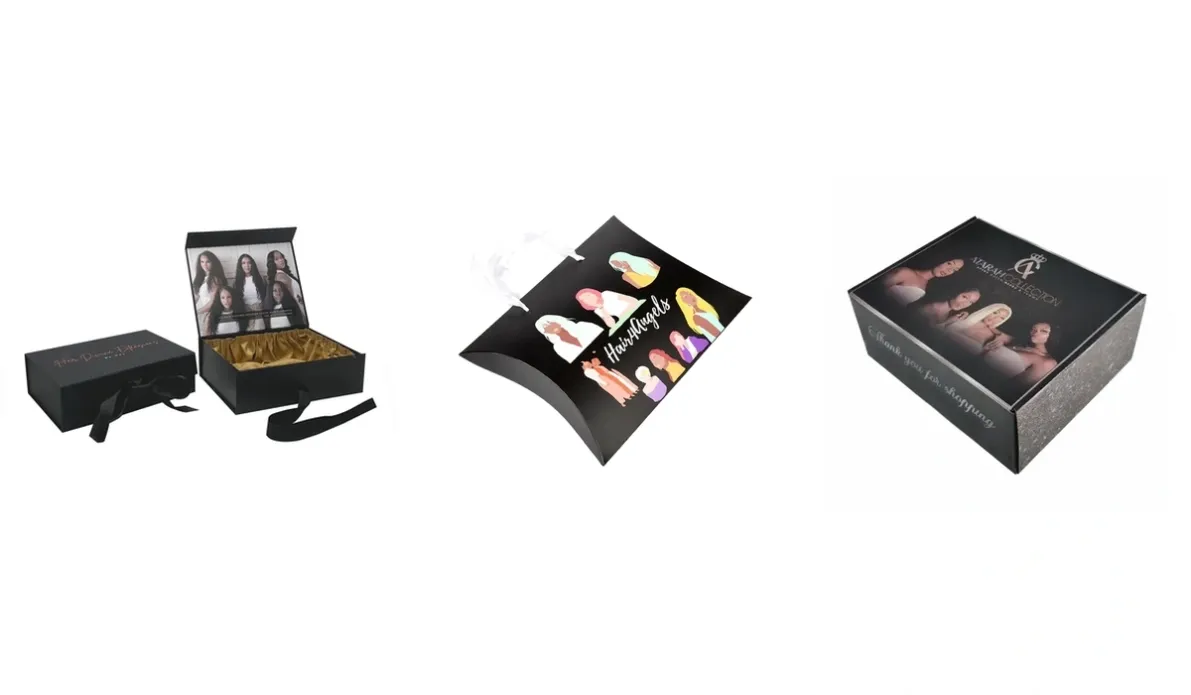
A wig is a high-value, shape-sensitive product. Synthetic and human-hair units both lose their styled form when compressed, and both respond badly to moisture. The box is the structure that holds that form and buffers the environment. Beyond protection, the box is a branding surface: the printed lid, the insert, the closure, and the unboxing sequence all signal whether your brand is a premium salon supplier or a discount marketplace seller. When you work directly with a wig box manufacturer instead of a trading middleman, you control every one of these variables, and you control the cost. Factory-direct sourcing means the spec you write is the spec you get, without a markup layer interpreting it for you. This article explains how to choose a wig box by walking through the exact parameters a buyer should specify for custom wig boxes and wholesale wig boxes built to a real performance standard.
Wig Form and Shape: Block Head, Hanging, Drawer
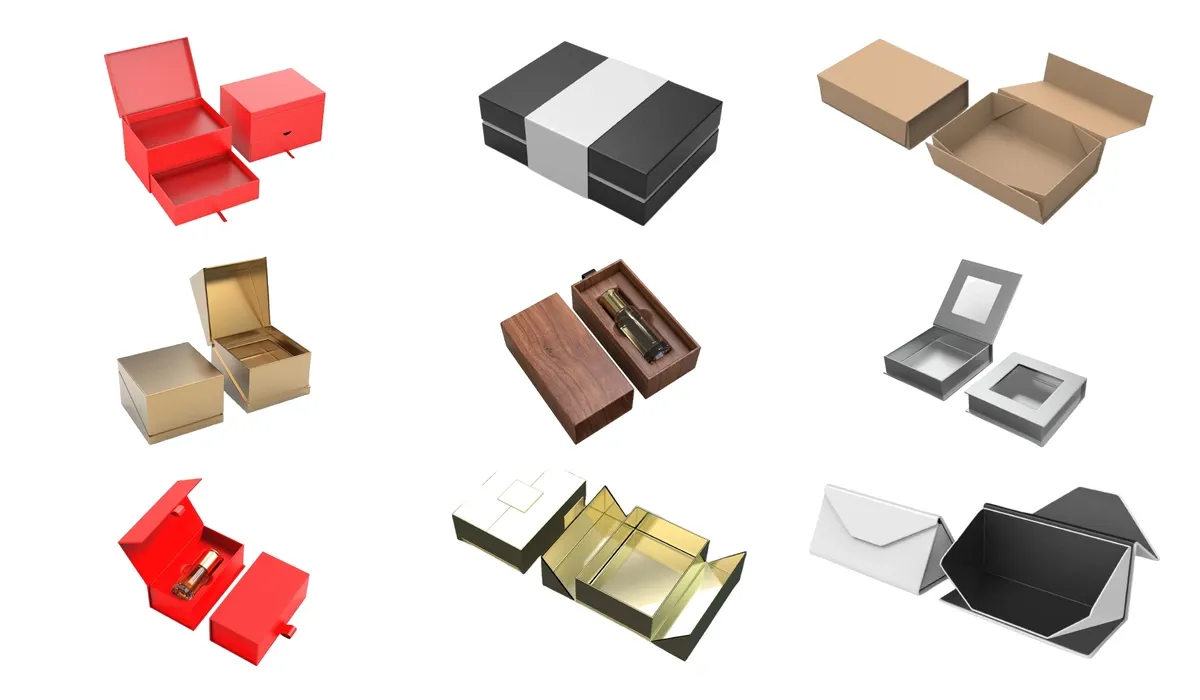
The first decision is the form factor, because it dictates the entire internal architecture of the box. The block head style uses a rigid internal head form, usually EVA foam or molded pulp, to hold a wig in a styled, three-dimensional shape. This is the premium option for display and gifting, and it reads as luxury the moment the lid lifts. The hanging style suspends the wig from a hook or a film window at the top of a tall carton, which is common for retail back-wall display and keeps the fiber from being crushed under its own weight. The drawer style slides a tray out of a sleeve, which is compact for shipping and gives a smooth, controlled reveal that works well for subscription and direct-to-consumer brands. Each form changes the material weight, the insert design, and the pack size, so pick the form first and let the rest of the spec follow from it.
Materials: Oxford Cloth, Coated Paper, Plastic-Free Options
Material choice drives both the look and the durability of the box. Oxford cloth covers are popular for reusable wig storage boxes because the woven fabric resists scuffing and feels soft in the hand, and they suit brands that want the box kept after purchase. Coated paper, typically a printed and laminated art paper, gives the sharpest graphics and the widest range of finishes from matte to gloss to soft-touch, which is why it dominates folding cartons and rigid box wraps. Plastic-free options are increasingly requested by European and North American buyers who want to avoid PVC windows and laminates, and these can be achieved with window films made from plant-based cellulose or by dropping the window entirely in favor of a die-cut peek hole backed with tissue. A rigid wig box is built from 157 g face paper over 1200 g greyboard for a solid, weighty feel, while a folding carton uses 300 to 500 g board that folds flat for cheaper freight. Tell your supplier which route you want, because the tooling and the artwork setup are different.
Moisture Protection and Inner Support
Moisture is the quiet killer of wig inventory. Even inside a carton, humidity during ocean transit or warehouse storage can frizz fiber and loosen adhesive. For meaningful protection, specify an inner lining or a coated interior, and consider a desiccant sachet pocket inside the box for long-haul shipping. The inner support is what holds the wig in place, and this is where many cheap boxes fail: a loose wig rattles, tangles, and arrives looking used. Use a contoured EVA head form, a satin or non-woven cradle, or a pinning board depending on the form factor, and confirm the support is stapled or glued so it cannot shift. The closure and the inner support work together, because a box that pops open in transit dumps the wig onto the cardboard and undoes all the protection you paid for.
Size, Fit and Closure
Sizing a wig box starts from the wig itself, not from a standard carton. Measure the styled unit on its head form, then add clearance for the insert and a finger-lift gap so the product can be removed without force. Too tight and the fiber compresses; too loose and it moves. Closure options range from a magnetic flap on a rigid box, to a tuck end on a folding carton, to a ribbon tie or a sleeve overlap on a drawer box. Magnetic closures feel premium but add unit cost and require careful magnet placement to avoid catching on the wig fiber, while tuck-end cartons are the lowest-cost secure option for high-volume wholesale. Match the closure to your price point and to how the box will be opened by the end customer, because an over-engineered closure on a budget line eats margin for no sales benefit.
Lead Time, MOQ and What to Send for a Quote
Factory lead times are predictable when you plan around them. Our plant in Dongguan, operating since 1998 across a 5,000 square meter facility with around 100 staff and annual export over US$10 million, supplies more than 1,000 completed cases to over 50 brands in 80 plus countries. The minimum order is 100 pieces per size and per design, which lets you test a new wig line without overcommitting. A free digital sample is typically ready in about 5 days so you can approve structure and print before spending on tooling, and mass production runs 10 to 20 working days after artwork and sample approval. To get an accurate wholesale quote, send your wig dimensions on its form, the target box form and material, the print artwork or brand colors, the required quantity per size, and any certification needs such as FSC board. The cleaner your brief, the tighter the price and the shorter the revision loop. Standard terms are 30/70, with 30 percent deposit to start production and 70 percent before shipment, which keeps cash flow balanced for both sides.
Common Mistakes When Sourcing Wig Boxes
The most common mistake is specifying the box by price alone and discovering after delivery that the insert does not hold the wig. Another is forgetting to account for the head form when measuring, which produces a box that looks right empty and fails the moment the wig is inside. Buyers also overlook the carton pack: if the inner box is bulky, the master carton crosses the 22 kilogram air-freight threshold and your shipping cost jumps. Some brands request a plastic window without checking where their product is sold, then face compliance problems in markets moving away from single-use plastic. A further error is skipping the digital sample to save five days, which usually costs far more in a mass-production rerun. Finally, mixing too many sizes under one MOQ slot confuses the factory and weakens your per-unit price, so keep each size and design in its own 100-piece minimum.
Failure Conditions, Testing and Acceptance
You should define acceptance before production, not after a bad batch arrives. Failure conditions for a wig box include a lid that does not close flush, a magnet that has shifted during gluing, print that registers off the bleed, an insert that detaches under light pull, and a coating that cracks on the first open. Ask for AQL-based inspection at the factory so defective units are caught before they ship, and request a drop and humidity test that mirrors your real transit route. On receipt, open a statistical sample and check closure force, print alignment, and whether the wig stays seated after the box is turned upside down and shaken. Document these acceptance points in your purchase order so the factory has a clear standard to hit rather than a moving target.
Frequently Asked Questions
What is the minimum order quantity for custom wig boxes?
The minimum order is 100 pieces per size and per design, which lets brands test a new wig line or a seasonal color without a large commitment. Each distinct size or printed design counts separately toward that minimum, so plan your SKUs accordingly. Volume above the minimum improves the per-unit factory price.
How long does it take to get a sample and then mass production?
A free digital sample is typically ready in about 5 days so you can confirm structure and print before tooling. Once artwork and sample are approved, mass production runs 10 to 20 working days. Plan ocean freight and launch dates around that window rather than against it.
Which material is best for a reusable wig storage box?
Oxford cloth covers are the strongest choice for a box customers keep, because the woven fabric resists scuffing and feels soft. Coated paper gives sharper branding graphics for single-use retail cartons. For plastic-free positioning, switch the window to cellulose film or remove it entirely.
How do I protect wigs from moisture during shipping?
Specify a coated interior or an inner lining, and add a desiccant sachet pocket for long-haul or humid routes. Keep cartons off warehouse floors and avoid storing near loading docks. Moisture damage is usually silent, so prevention at the box stage is far cheaper than returns later.
What should I send to get an accurate wholesale quote?
Send the wig dimensions on its form, the target box form and material, your print artwork or brand colors, quantity per size, and any FSC or certification needs. A complete brief shortens the revision loop and produces a tighter factory price than a vague request.
Can you supply FSC-certified board for wig boxes?
The plant is FSC-ready and can supply FSC board on request, but you should reserve the certified board when you place the order rather than assume it is automatic. Do not claim a box is FSC-certified unless the certified material has been specifically reserved and documented for your run.
What is the difference between a rigid box and a folding carton?
A rigid wig box uses 157 g face paper over 1200 g greyboard for a solid, premium, weighty feel and ships assembled. A folding carton uses 300 to 500 g board, folds flat, and costs less to freight. Choose rigid for gifting and folding for high-volume wholesale lines.
How are wig boxes packed for export?
Boxes are packed 100 per master carton with a weight kept at or below 22 kilograms to stay within standard air and sea freight limits. Proper master carton sizing protects the inner boxes and keeps your per-shipment handling cost predictable.
Conclusion
Choosing a wig box comes down to matching the form, the material, and the moisture protection to the way your wig is styled, shipped, and sold. Start with the block head, hanging, or drawer form, then specify the material and the inner support that will actually hold the unit in place. Keep the minimum order of 100 pieces per size in mind, use the free digital sample to de-risk the design, and plan production around the 10 to 20 working day window after approval. Send a complete brief to Request a Wholesale Quote and Get Factory Price on custom wig boxes built to your exact spec.