Buying Guides
How to Choose a Jewelry Box: Hidden Failures to Avoid
Wondering how to choose a jewelry box? Compare rigid, folding and drawer structures, insert materials, tarnish protection, MOQ and lead time from a factory-direct maker.
<!-- META_EXCERPT: Wondering how to choose a jewelry box? Compare rigid, folding and drawer structures, insert materials, tarnish protection, MOQ and lead time from a factory-direct maker. -->
Choosing the right jewelry box is not a cosmetic decision. For overseas brands and wholesalers, the box is the last line of defense between a flawless piece and a returned order. Most buyers start by comparing prices, but price is the wrong first filter. The right way to approach how to choose a jewelry box is to treat it as a specification problem: define the structure, the insert, the coating and the tolerances first. This guide walks through the parameters that separate a box that protects and sells from one that quietly fails.
Why the Box Decides Whether Your Jewelry Arrives Perfect
A jewelry box carries two jobs at once. It must present the piece as a premium object, and it must hold it stationary, dry and unscratched through shipping and handling. When either job fails, the cost is not one damaged unit but a chargeback, a lost repeat customer and a damaging review. The failure often surfaces weeks later in another country, which is why smart buyers specify the box like an engineer and know which failure modes they are designing against.
Understand the Four Core Structures
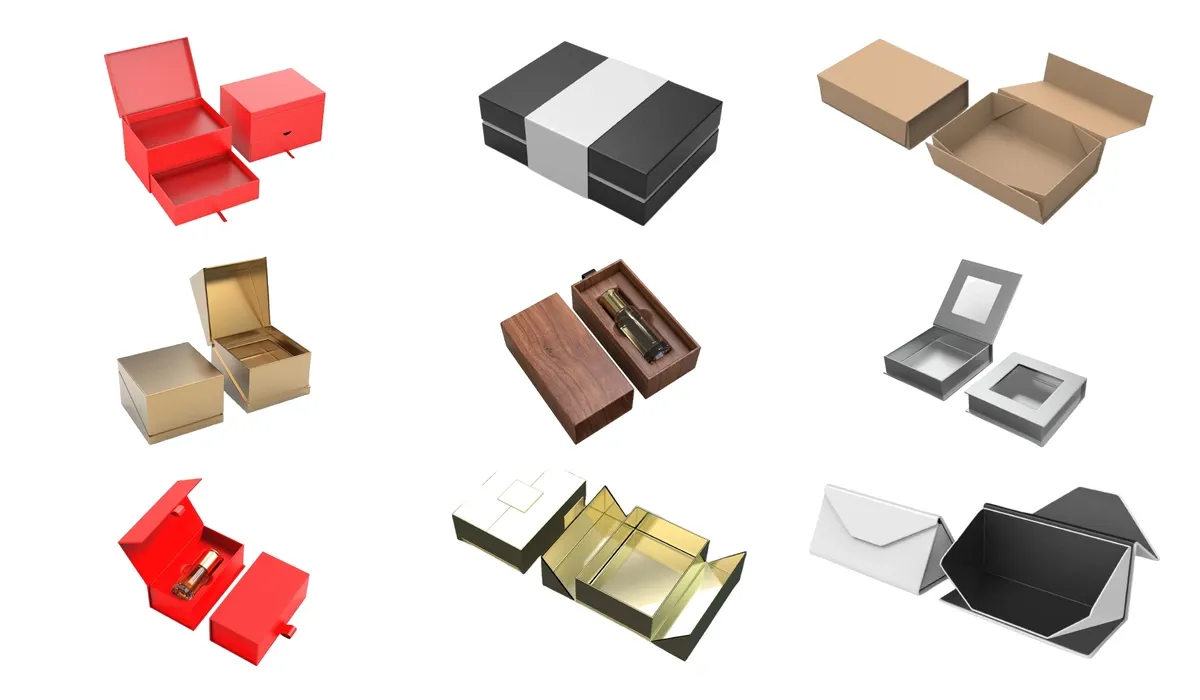
The structure is the skeleton of the box and sets the ceiling on both perceived value and protective performance. The wrong structure cannot be rescued by a nicer print.
Rigid Magnetic Box
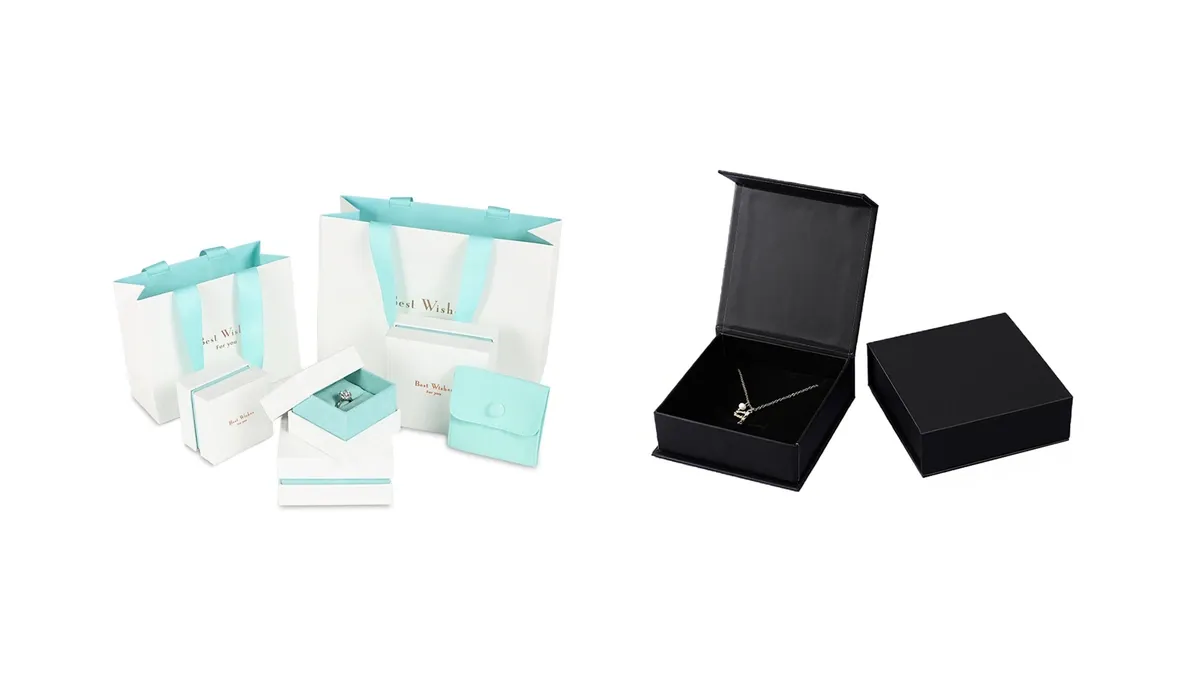
The rigid magnetic box is the standard for premium rings, pendants and gift sets. In our factory build it uses 157 g face paper laminated over 1200 g greyboard, giving the walls a solid, premium feel. A magnetised flap closure keeps the lid shut without ribbon, which suits high-end unboxing. The trade-off is freight: rigid boxes do not fold flat, so they cost more to ship and store. Choose this structure when the jewelry carries a higher margin.
Folding Carton
The folding carton is the economical workhorse for lightweight items and high-quantity programs, and it sits behind most wholesale jewelry boxes shipped in volume. It is produced from 300 to 500 g board that arrives flat and is erected at the packing station, slashing shipping cube and warehousing cost. The perceived luxury is lower than a rigid box, but with spot-UV or foil it still reads as considered. Choose folding when you ship in volume or the jewelry is small and does not need a heavy shell.
Drawer Box
The drawer box, sometimes called a matchbox or slide box, opens by pulling a tray out of a sleeve. It protects the piece well because the jewelry sits inside a fully enclosed sleeve, and it creates a deliberate, ritual unboxing motion that many jewelry brands favor. The sleeve and tray construction uses more board than a folding carton, so it sits between folding and rigid on cost. Choose it for a tactile reveal without the rigid freight penalty.
Necklace and Ring Specific Inserts
Beyond the outer structure, the insert is where the jewelry lives, and the insert shape must match the product. A necklace needs a channel or card wrap that keeps the chain from tangling. A ring needs a snug recessed cavity that stops the band from rolling. Earrings need paired wells. Many failures trace back to a generic insert reused for the wrong product, which is why a serious jewelry box manufacturer will ask for the actual item or its dimensions before quoting.
Choose the Right Insert Material
The insert is the part that touches the metal, so its material drives both protection and tarnish risk. There are three materials you will meet most often, each with a clear use case.
EVA Foam
EVA foam is the practical default for securing irregular shapes. It is cut or routed to cradle the piece, it absorbs shock during transit, and it is inexpensive enough for large runs. The downside is that low-grade EVA can off-gas or shed, and it does not feel luxurious against fine jewelry. Use EVA when the priority is hold and impact protection for sturdier pieces, and specify a closed-cell grade.
Velvet
Velvet, usually a fabric-faced foam or board, is the classic premium insert surface. It looks and feels right for rings, pendants and watches, and it resists surface scratches better than bare foam. The risk is fiber shedding and, more importantly, the dye and backing: a poorly finished velvet can transfer color or react with silver. For the luxury look, ask for colorfast, low-lint velvet and confirm metal compatibility before production.
Moulded Fibre
Moulded fibre inserts, formed to the exact contour of the piece, are growing fast for sustainable programs. They hold the product with near-zero movement, they are plastic-free, and they pair well with brands that want a recyclable story. The limitation is tooling: a moulded insert needs a die, so it suits steady, repeat designs rather than one-off small batches. For predictable SKUs, moulded fibre is often the most protective choice.
Coating and Tarnish Protection
Tarnish is the hidden enemy, and it is the failure you cannot see at the factory. Silver and some plated metals react with sulfur compounds in the air and with residues left by certain papers, foams and inks. A box that looks perfect on arrival can leave a dark film on a silver pendant a month later. Specify tarnish-inhibiting tissue or a tested anti-tarnish insert when you sell silver, keep inks away from direct metal contact, and request low-sulfur paper touching the jewelry. A good factory will flag this proactively; if your supplier never mentions tarnish, that silence is a risk signal.
Size, Fit and Closure
Size is not a number you round to the nearest centimeter. The insert cavity should hold the piece with just enough clearance to insert and remove it without force, and the outer box should leave minimal dead space so the insert cannot shift inside the shell during transit. A box that is too large lets the insert rattle; a box that is too small crushes the closure or bows the lid. For closure, magnetic flaps suit rigid boxes, tuck flaps suit folding cartons, and ribbon or belly bands suit drawer boxes needing a secondary lock. Define the closure by real-life handling, not by what photographs best.
The Hidden Failure: Tarnish, Scratch and Loose Insert
Most jewelry box problems are not dramatic. They are slow and quiet. Tarnish creeps in over weeks. A micro-scratch appears because the insert was a fraction too loose and the piece slid against the wall. The insert itself comes loose because the adhesive was under-specified for humidity, and after a container crosses the equator the foam lifts off the base. None of these show in a pre-shipment photo of a sealed carton. That is the failure you cannot see, and designing against it is the whole point of learning how to choose a jewelry box rather than ordering the cheapest option.
Lead Time, MOQ and What the Factory Needs
Plan the timeline before you promise a launch date. Our minimum order starts from 100 pcs per size and per design, which keeps sampling and small test runs affordable. A free digital sample is typically ready in about 5 days, letting you review structure and print without physical tooling. After artwork and sample approval, mass production runs 10 to 20 working days. Boxes are packed 100 per carton with gross weight kept at or below 22 kg. FSC-ready production is available and we can supply FSC-certified board on request, but do not assume a run is certified unless you reserved certified stock with us. We are a Dongguan packaging factory operating since 1998, with a 5,000 m² plant, around 100 staff, 1,000-plus completed cases across 80-plus countries and 50-plus brands, and US$10M-plus in annual export sales. We work on 30/70 payment terms so you pay a deposit and the balance against finished inspection.
Testing, Acceptance and Common Mistakes
Acceptance should be written, not assumed. We work to an AQL inspection standard so that defective rates are agreed before production, not argued after. Before you approve a run, drop-test a filled sample, leave silver in the box for a tarnish check, and verify the insert cannot be pulled free with normal force. The common mistakes are predictable: reusing one insert across different products, choosing a rigid box for a lightweight high-volume SKU, and skipping the tarnish test on silver. Each is avoidable with a one-page specification.
What to Send Us for a Wholesale Quote
To get a useful factory price instead of a vague range, send the actual jewelry or its exact dimensions and weight, the structure you are considering, the insert shape you need, your target box size, the print and finish details, the required quantity per design, and your delivery deadline. Photos of a reference box help, but measurements beat photos. With that information we can return a digital sample in about 5 days and a firm production window. When ready, Request a Wholesale Quote and our team will spec the build against your real product.
Frequently Asked Questions
What is the minimum order quantity for custom jewelry boxes?
Our MOQ starts from 100 pcs per size and per design, which makes small test batches and new product launches practical. Because the minimum is set per design, you can run several SKUs in one program as long as each stays above the threshold. Tell us your expected annual volume and we will structure the tooling so reorders stay efficient and the per-unit price drops as quantities climb.
How long does sampling and production take?
A free digital sample is usually ready in about 5 days, giving you a reviewable structure and print without physical tooling cost. Once artwork and sample approval are confirmed, mass production takes 10 to 20 working days. Plan buffer for sea freight and customs on top of that window. Share your launch date early so the schedule can be built backwards from the day stock must reach your warehouse.
Which box structure is best for silver jewelry?
Silver is vulnerable to tarnish, so the priority is a low-sulfur interior and an anti-tarnish insert or tissue rather than any specific outer shape. A rigid magnetic box or drawer box both work well, provided the paper and foam touching the metal are specified as tarnish-safe. Always run a tarnish test with your actual silver before approving a full run, because reactions vary by alloy and plating.
Should I choose a rigid box or a folding carton?
Choose rigid when the unboxing moment and perceived value justify the freight, since rigid boxes use 157 g face paper over 1200 g greyboard and do not fold flat. Choose a folding carton from 300 to 500 g board when you ship in volume and cube cost matters more than heft. The right answer depends on margin per unit and delivery method, not on which looks nicer in a photo.
What insert material protects jewelry best in transit?
Moulded fibre holds irregular pieces with almost no movement and is plastic-free, ideal for steady SKUs. EVA foam absorbs shock for sturdier pieces but can shed or off-gas if low grade. Velvet feels premium and resists scratches but needs colorfast, low-lint finishing. Match the insert to the metal and the journey; the best protector is engineered to your specific item, not a generic pad.
How do I avoid the hidden tarnish and loose insert failures?
Specify low-sulfur paper and tarnish-inhibiting materials for anything touching silver, and confirm the insert adhesive is rated for the humidity your container will cross. Pull-test the insert with normal force before approval, and leave a silver sample in the closed box for a tarnish check. These checks take days, not weeks, and they catch the failures that never appear in a sealed-carton photograph at the factory.
Can you supply FSC-certified board for my brand?
We are FSC-ready and can supply FSC-certified board on request for brands that need a verified chain of custody. The important point is to reserve certified stock with us before production, because a run is only certified if the certified material was allocated to your order. Do not market a box as FSC-certified unless that reservation was made, or the claim will not hold up to audit.
What should I send to get an accurate factory price?
Send the actual jewelry or exact dimensions and weight, your preferred structure, the insert shape, target box size, print and finish, quantity per design and your deadline. Reference photos help but measurements decide the quote. With those details we return a digital sample in about 5 days and a firm production window, so you can plan the launch instead of waiting on a vague estimate.
Conclusion
Knowing how to choose a jewelry box means specifying it as a protective system, not picking a pretty shell. Start with the structure that fits your margin and freight, match the insert material to the metal and the journey, and design against the hidden failures of tarnish, scratches and a loose insert that no factory-gate photo will reveal. With an MOQ from 100 pcs per design, a free digital sample in about 5 days and mass production in 10 to 20 working days after approval, the path from idea to shelf is short when the spec is clear. Send us your product details and Request a Wholesale Quote to get a factory price built around your real jewelry.