Buying Guides
Custom Two-Piece Rigid Boxes: Board & Wholesale Math
Custom two-piece rigid boxes: 157 g art paper over 1200 g greyboard, telescope depth options, insert tolerance, MOQ from 100 pcs per size, sample in about 5 days.
Opening
A two-piece rigid box is the structure most wholesale buyers default to, and for good reason: it carries the premium look of wrapped greyboard without the hinge and magnet cost of a book-style build. But the difference between a two-piece box that holds margin and one that eats it comes down to three specifications most briefs miss — telescope depth, wrap paper choice and the board-to-insert tolerance. This guide covers what a factory actually checks before quoting, and where the cost lives.
What a Two-Piece Rigid Box Actually Is
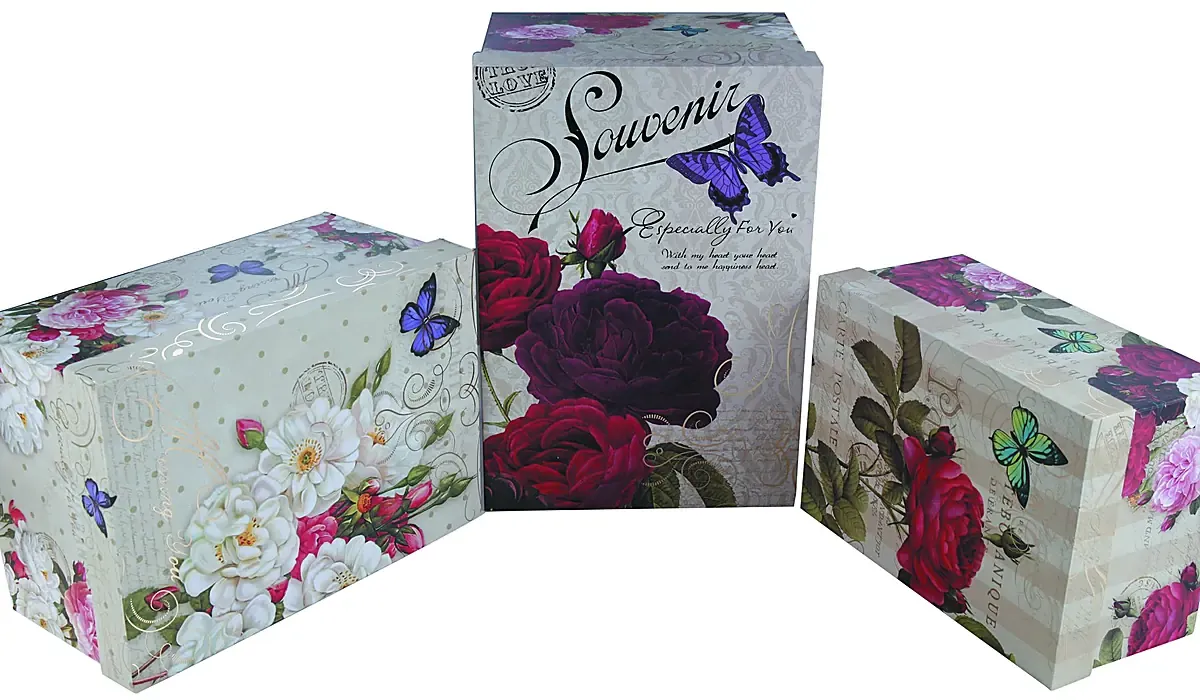
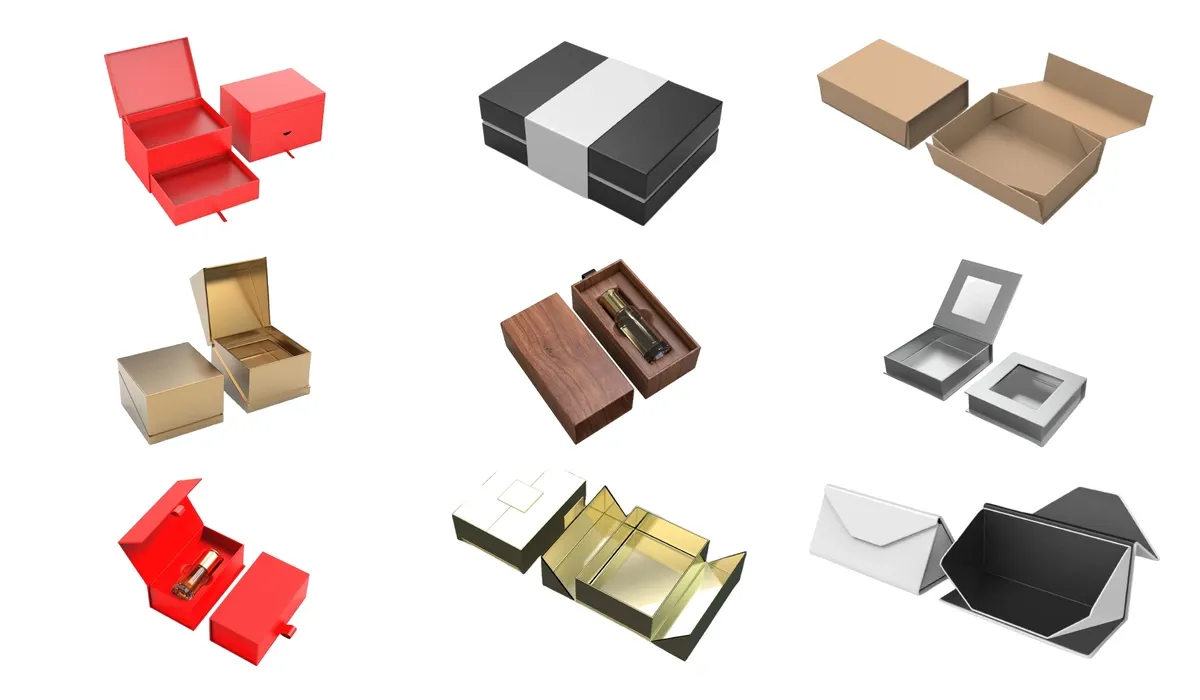
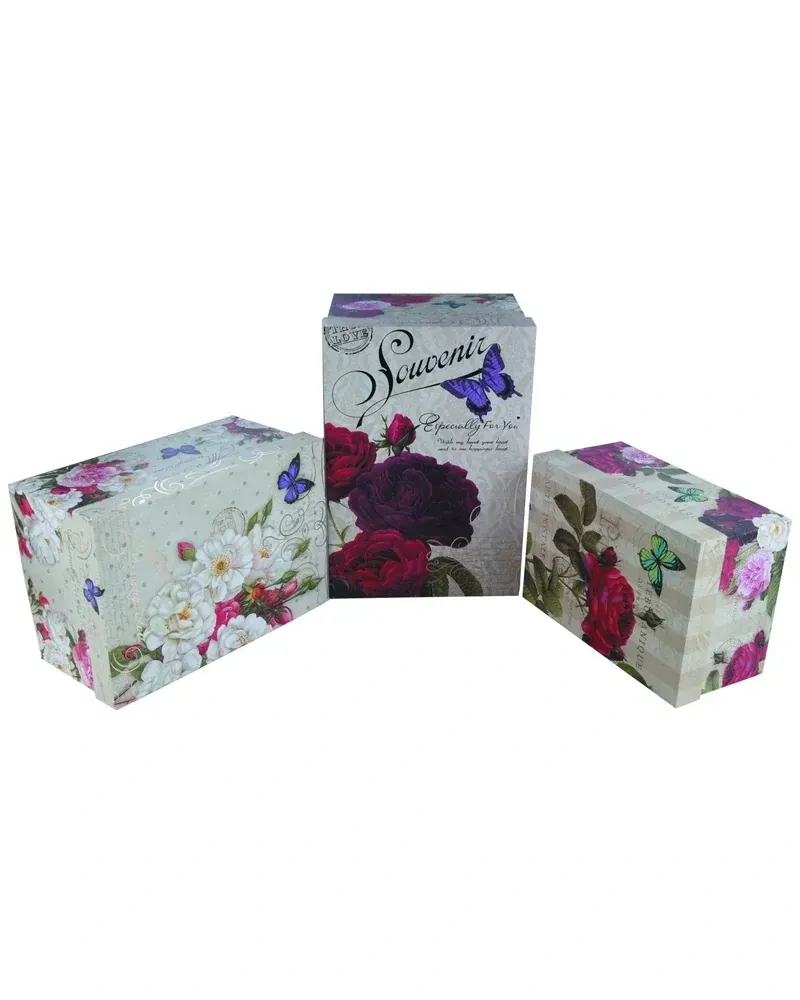
The structure is simple to describe: a shallow base tray wrapped in printed paper, and a separate lid that telescopes over it. Both pieces start as 1200 g greyboard cut to size, wrapped in 157 g art paper that carries the print. There is no hinge, no magnet and no ribbon unless you add one — which is exactly why the unit cost sits below a book-style rigid box while the shelf presence stays in the same family.
Two specification decisions separate a good two-piece box from a cheap one. The first is telescope depth: how far the lid walls overlap the base walls. A full-depth overlap — lid height equal to base height — reads as more premium and keeps the lid aligned in transit, but uses more board. A partial overlap saves material and weight, and works when the box is shipped inside an outer carton anyway. The second is the wrap finish: matte lamination hides fingerprints and wears better in transit, gloss lifts colour but scuffs, and soft-touch adds a layer that photographs well but adds cost per square metre.
Where the Cost Actually Lives
Three cost lines dominate a two-piece rigid box quote. Board is the largest: 1200 g greyboard is priced by the sheet, and a full-telescope lid can add 15–20 percent to board consumption versus a shallow lid. Wrap paper is the second: 157 g art paper is printed CMYK or Pantone before mounting, and finishes such as soft-touch or spot UV price per square metre of coverage. Hand assembly is the third: every corner is folded and closed at a bench, which is why quantities below 100 pieces per size push the per-unit cost up sharply.
The wholesale math improves in steps, not curves. At 100 pieces per size, tooling and setup are spread thin; at 500 pieces the per-unit drops noticeably; at 1,000 the board price breaks into a better tier. Splitting one design across multiple die sizes keeps the cutting setup count down, which is why brands running three box sizes in one visual system get better pricing than three unrelated designs.
Telescope Depth: The Specification Most Briefs Miss
Telescope depth changes three things at once. Appearance: a deep telescope hides the base seam completely and the lid stays put when a customer picks the box up. Freight: a full-depth lid cannot be nested, so master cartons hold fewer units. Cost: deeper lids use taller greyboard walls, which adds board and wrap.
Our rule of thumb: full telescope for retail shelf boxes where the lid is never shipped separately; half telescope for e-commerce programmes where the box ships inside a mailer and the lid overlap only needs to hold during the unboxing. State the depth explicitly in the brief — "lid telescopes to base height" or "lid overlap 40 mm" — because factories will otherwise quote the cheaper option.
Matching Wrap Paper to Brand and Channel
The 157 g wrap takes whatever print you put on it, but the finish decides how it survives. Matte lamination is the wholesale default: it resists scuffs, hides fingerprints and keeps colours readable under retail lighting. Gloss lamination lifts saturation for photo-heavy artwork but shows scratches sooner. Soft-touch lamination adds a velvet feel that customers remember, at a cost premium that makes sense for gift-led categories rather than volume SKUs.
Inside printing is a separate pass and a separate cost line. A plain greyboard interior is the base price; a single-colour printed interior adds a run; a full-colour interior wrap is quoted like the exterior. For gift programmes where the inside of the lid carries a logo or a message, confirm the interior print before the quote locks, because it changes the wrap paper order.
Inserts: What Sits Inside the Base
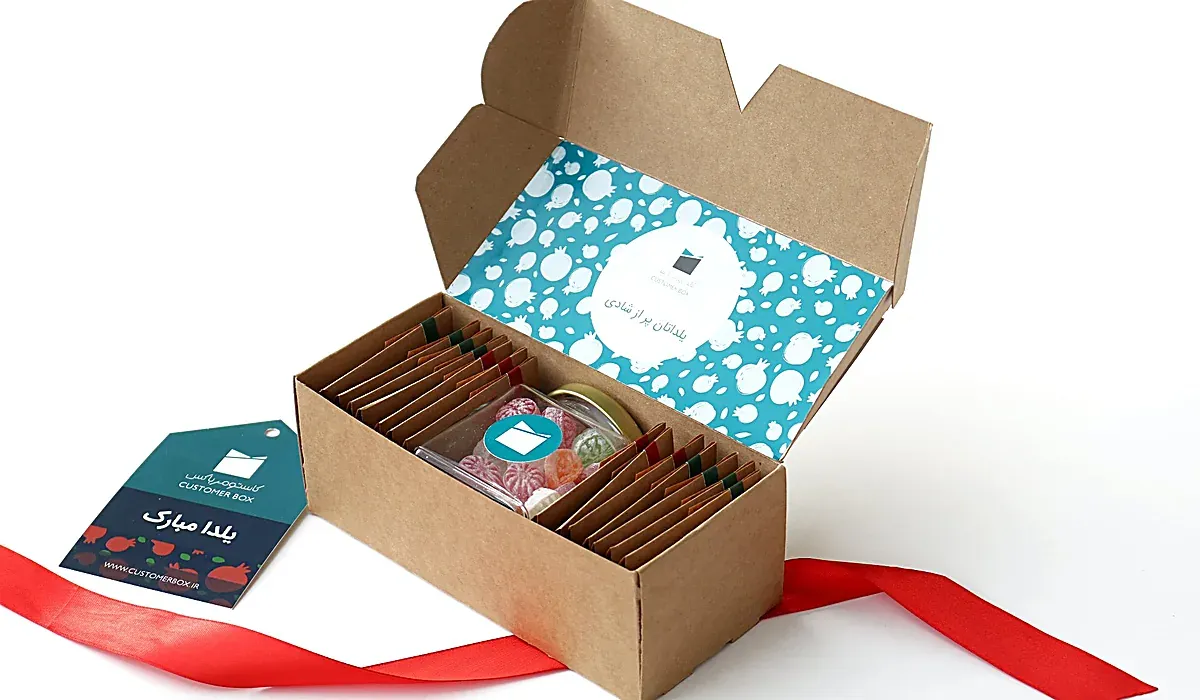
A two-piece box is only as protective as its insert. The base tray is rigid, so the insert does not need to add structure — it needs to grip the product. EVA foam cut to shape holds weight firmly; moulded pulp platforms suit rounder goods; flocked or satin-lined trays finish the reveal for jewellery and gift sets. The insert is cut to the base interior, so confirm the internal dimensions — not the external ones — when you brief the factory.
Tolerance works both ways. An insert cut too tight squeezes the wrap paper at the tray walls; too loose and the product migrates during transit. During sampling we fit the actual insert and adjust in half-millimetre steps until the lid closes with light resistance. This is a five-minute fix at the sample stage and nearly impossible to correct after mass production.
MOQ, Sampling and Production Timeline
MOQ starts from 100 pieces per size and design for standard two-piece builds. Special finishes — spot UV, hot foil with a custom die, or a full-colour interior wrap — can push the MOQ higher because each finish adds a setup pass, and the per-unit share of that setup is what drives the minimum. State the finish when you request the quote so the MOQ is quoted against the actual specification.
A free digital sample in about 5 days shows the structure, the print and the insert fit before any mass spend. After artwork and sample approval, mass production runs about 10 to 20 working days, with payment staged at a 30 percent deposit and the 70 percent balance before shipment. Boxes pack 100 per master carton with carton weight kept at or below 22 kg, and quality is verified to AQL inspection standards before the goods leave the floor.
Common Mistakes in Two-Piece Box Briefs
<p>Three brief mistakes drive most sample rejections. First, buyers send the external dimensions without the internal clearance, and the insert is cut to a cavity that does not fit the product. Second, the telescope depth is omitted, so the factory quotes a half-depth lid when the buyer expected full depth. Third, the wrap finish is left blank, and the factory defaults to matte lamination when the buyer wanted soft-touch for a gift programme.</p><p>A fourth mistake is ordering the interior print after the quote locks. Interior printing changes the wrap paper order and adds a setup pass, which shifts both the price and the MOQ. Confirm the interior at the same time as the exterior artwork, and the quotation is accurate the first time.</p>
What Information to Send Before Inquiry
<p>The fastest quotes come from a brief that names the five specifications: the internal dimensions of the base and the lid, the telescope depth, the wrap paper finish, the insert material and the interior print. Add the product weight if the insert is foam or pulp, because the foam density is matched to the load. Add the quantity per size if the programme runs multiple box sizes in one design system, because the cutting setup count changes the per-unit price.</p><p>Artwork can follow the quote. A sketch or a reference image is enough for the first quotation; production-ready vector files are only needed before the sample is made. Send the specification and the quantities, and the quote comes back with the board weight, the print method and the lead time confirmed.</p>
Frequently Asked Questions
What board weight do you use for two-piece rigid boxes?
The standard build is 1200 g greyboard wrapped in 157 g art paper. Larger boxes or heavily loaded designs go to 1500 g board with the same wrap. During sampling we check that the chosen weight holds the lid shape under a full master carton stack.
What is the MOQ for custom two-piece rigid boxes?
MOQ starts from 100 pieces per size and design for standard builds with matte or gloss lamination. Adding spot UV, custom foil dies or a full-colour interior wrap can raise the minimum because each finish adds a setup pass. Exact quantities are confirmed on your quotation.
How does telescope depth affect the price?
A full-depth telescope uses taller lid walls, which adds greyboard and wrap paper per unit. A half-depth overlap saves board but shows the base seam. Most wholesale programmes choose the depth based on whether the box ships on a shelf or inside a mailer.
Can I print inside the lid?
Yes. Interior printing is a separate pass and a separate cost line. A single-colour logo inside the lid is the most common option for gift programmes. Confirm it at quotation because it changes the wrap order.
What insert options work in a two-piece box?
Adding spot UV, a custom foil die or a full-colour interior wrap can raise the MOQ because each finish adds a setup pass and the per-unit share of that setup drives the minimum. The factory confirms the exact quantity on your quotation within about 24 hours, so state the finish when you first request the price.
How long does sampling and production take?
The insert is cut to the internal dimensions of the base tray. EVA foam grips firmly, moulded pulp suits rounder goods, and flocked or satin-lined platforms finish the reveal. Adjust the tolerance in half-millimetre steps during sampling until the lid closes with light resistance.
Conclusion
Two-piece rigid boxes earn their place as the wholesale workhorse: the premium look of wrapped 1200 g greyboard without hinge or magnet overhead, and a structure that nests well enough to keep freight sane. Get three things right — telescope depth matched to the channel, wrap finish matched to the brand, and insert tolerance checked at sampling — and the box holds both the product and the margin. Our factory in Dongguan since 1998 has delivered more than 1,000 cases for 50+ brands across 80+ countries, verified to AQL inspection standards. Request a Wholesale Quote with your sizes and quantities, or Get Factory Price from our Dongguan team and receive a response within about 24 hours.