Buying Guides
Custom Lid-and-Base Boxes: Wholesale Price Right
Custom lid-and-base boxes wholesale: 1200 g greyboard, 157 g art paper wrap, telescope depth and insert tolerance specified, MOQ from 100 pcs per size.
Opening
A lid-and-base box — two separate pieces of wrapped greyboard, one lifting off the other — is the most quoted structure in custom packaging. It is also the most under-specified: buyers send dimensions and artwork but skip the telescope depth, the wrap finish and the insert tolerance, and then wonder why the quote comes back higher than expected. This guide covers the four specifications that decide the price, and how to brief them in one pass.
Why Lid-and-Base Dominates Wholesale
The structure carries the premium look of wrapped greyboard at the lowest cost in the rigid family. There is no hinge, no magnet, no ribbon and no fold — just two wrapped trays, one sitting inside the other. That simplicity is what makes it the wholesale workhorse: faster assembly than a book-style box, fewer tooling passes than a drawer, and a look that customers read as premium because of the board weight and the wrap finish rather than the closure mechanism.
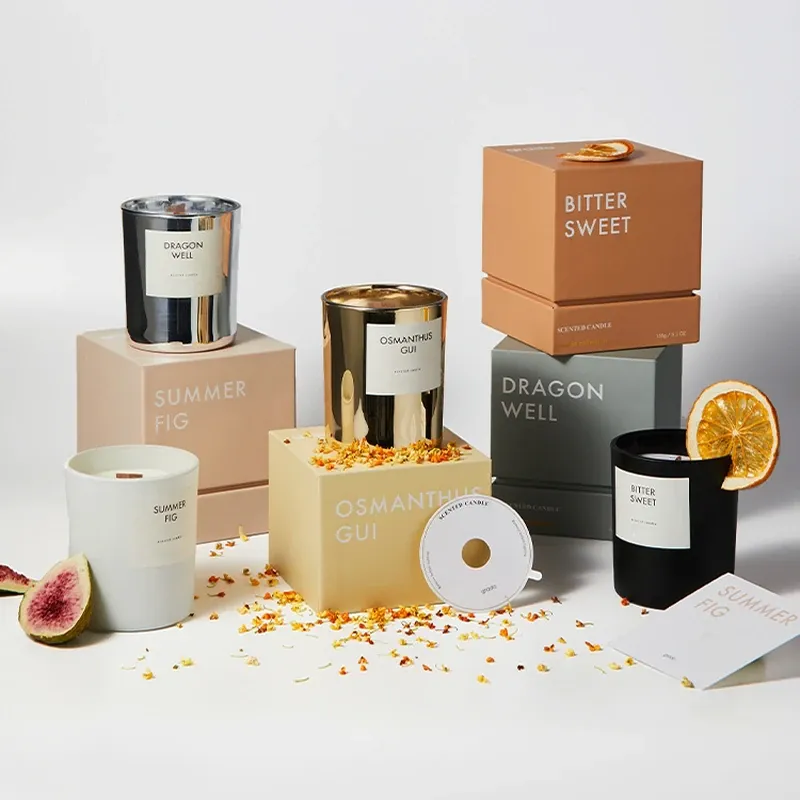
For brands running multiple sizes in one visual system, lid-and-base shares print layout across dimensions cheaply. Lids and bases from different sizes can sit in the same master carton, and the artwork only changes in the dieline — not in the print setup. This is why skincare, candle and jewellery brands standardise on lid-and-base across their range.
The Four Specifications That Set the Price
Telescope depth is the first. A full-depth lid — lid walls equal to base walls — hides the base seam completely and reads as the most premium option, but adds board. A half-depth lid shows a lip of the base tray and saves material. State the depth explicitly because factories default to the cheaper option unless told otherwise.
Wrap finish is the second. Matte lamination is the wholesale standard: it resists scuffs, hides fingerprints and reads softer under retail lighting. Gloss lifts colour saturation for photo-heavy artwork but shows scratches sooner. Soft-touch adds a tactile layer that commands a higher shelf price but costs more per square metre. Each finish is a separate cost line because the lamination film is applied after printing and before mounting.
Interior print is the third. A plain greyboard interior is the base price. A single-colour printed interior adds a run; a full-colour interior wrap is quoted like the exterior. For gift programmes where the inside of the lid carries a logo, confirm the interior before quoting because it changes the wrap paper order.
Insert type is the fourth. EVA foam, moulded pulp, flocked platforms and satin-lined trays are all cut to the base interior. The insert does not need to add structure — the greyboard walls do that — but it needs to grip the product under light compression so nothing shifts in transit. Confirm the insert material and the product dimensions together.
Wrap Paper and Board: The Standard Build
The standard construction is 1200 g greyboard wrapped in 157 g art paper. The greyboard gives the walls their stiffness; the wrap carries the print and the finish. Larger boxes or heavily loaded designs go to 1500 g board with the same wrap. The greyboard is cut to the dieline, the wrap is printed and laminated, and the two are mounted at a bench — which is why every corner is hand-folded and why small runs stay viable.
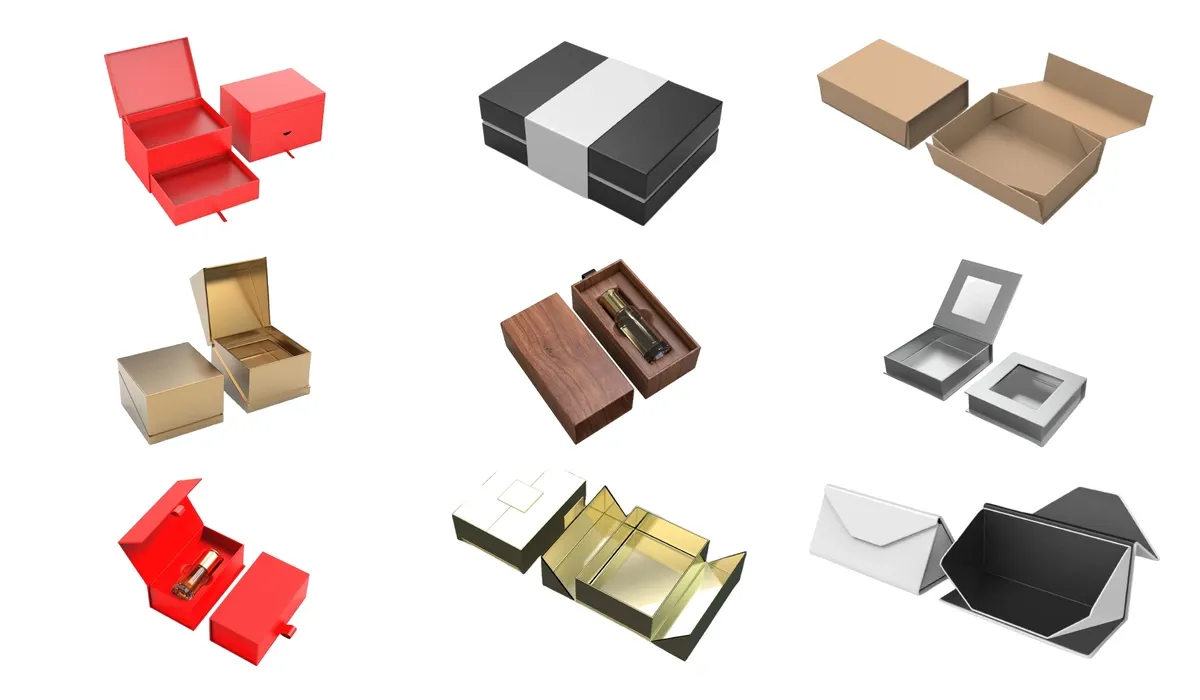
For buyers comparing quotes from a jewellery or candle box factory, the lid-and-base build is the reference point that every premium option must beat. A book-style box with a magnet adds roughly 20 to 30 percent; a drawer adds a sleeve and a tray; a collapsible adds a score line and a folding step. If the lid-and-base meets the brief, there is no reason to pay for more.
Inserts and Product Fit
The insert carries the protection duty. The base tray is rigid, so the insert does not need to absorb impact — it needs to hold the product in position so the walls take the load. EVA foam cut to shape grips firmly; moulded pulp suits rounder profiles; flocked or satin-lined platforms finish the reveal for jewellery and gift sets.
Sizing the insert to the internal dimensions — not the external ones — is the specification most often missed. A stuffed pouch, a ribbon bow or a gift card inside the box adds three to eight millimetres in every direction, and a cavity cut to the bare product forces it in under pressure. When anything sits between the product and the box, give the factory the stuffed dimensions.
MOQ, Sampling and Production Timeline
MOQ starts from 100 pieces per size and design for standard builds. Special finishes — spot UV, a custom foil die, or a full-colour interior wrap — can raise the MOQ because each adds a setup pass and the per-unit share of that setup drives the minimum. State the finish when you request the quote so the MOQ is quoted against the actual specification.
A free digital sample in about 5 days shows the structure, the print and the insert fit before any mass spend. After artwork and sample approval, mass production runs about 10 to 20 working days. Payment is staged at a 30 percent deposit with the 70 percent balance before shipment. Boxes pack 100 per master carton with carton weight kept at or below 22 kg, and quality is verified to AQL inspection standards before goods leave the floor.
How to Brief the Factory in One Pass
<p>The fastest quotes come from a brief that names five things: the internal dimensions of both the base and the lid, the telescope depth, the wrap paper finish, the insert material and the interior print. Add the product weight if the insert is foam or pulp, because the density is matched to the load. Add the quantity per size if the programme runs multiple sizes in one visual system, because the cutting setup count changes the per-unit price.</p><p>A sketch or a reference image is enough for the first quotation. Production-ready vector files are only needed before the sample is made. Send the specification and the quantities, and the quote comes back with the board weight, the print method and the lead time confirmed — not with a range that you have to chase down.</p>
Common Mistakes in Lid-and-Base Briefs
<p>The most common mistake is omitting the telescope depth and then comparing quotes that assume different depths. One factory quotes a full-depth lid; another quotes a half-depth. The prices are not comparable because the board consumption is different. State the depth explicitly: full telescope, half telescope, or a specific overlap in millimetres.</p><p>The second mistake is sizing the insert to the product instead of the stuffed product. A ribbon, a bow or a gift card inside the box adds three to eight millimetres, and a cavity cut to the bare product forces the insert in under pressure. Give the factory the stuffed dimensions and let the insert tolerance be adjusted at sampling. The third mistake is confirming the interior print after the quote locks, which changes the wrap paper order and adds a pass.</p>
Frequently Asked Questions
What board weight do you use for lid-and-base boxes?
Standard builds use 1200 g greyboard wrapped in 157 g art paper. Larger or heavily loaded boxes go to 1500 g board with the same wrap. Sampling verifies the weight holds under a full master carton stack.
What is the MOQ for custom lid-and-base boxes?
Standard builds use 1200 g greyboard wrapped in 157 g art paper. The greyboard gives the walls their stiffness and the wrap carries the print. Larger or heavily loaded boxes go to 1500 g board with the same wrap. Sampling verifies the weight holds under a full master carton stack at or below 22 kg.
How deep should the lid telescope over the base?
MOQ starts from 100 pieces per size and design for standard builds with matte or gloss lamination. Special finishes such as spot UV or a custom foil die can raise the minimum because each adds a setup pass. The factory confirms the exact quantity on your quotation within about 24 hours.
Can I print inside the lid and base?
A full-depth telescope hides the base seam completely and reads as the most premium option but adds board. A half-depth saves material and works when the box ships inside a mailer. State the depth explicitly in your brief because factories default to the cheaper option.
What insert material works best?
Yes. Interior printing is a separate pass and a separate cost line. A single-colour logo inside the lid is the most common option for gift programmes. Confirm at quotation because it changes the wrap paper order and the MOQ may shift.
How long does sampling and production take?
EVA foam for firm grip, moulded pulp for rounder profiles, flocked or satin-lined platforms for a gift finish. The base is rigid so the insert only needs to hold the product, not protect it. Cut to the internal dimensions and adjust at sampling.
Conclusion
Lid-and-base boxes carry the premium look of wrapped 1200 g greyboard at the lowest cost in the rigid family, and the reason most quotes come back wrong is a brief that skips the four specifications that set the price. Get telescope depth, wrap finish, interior print and insert type into the brief in one pass, and the quote is accurate the first time. Our factory in Dongguan since 1998 has delivered more than 1,000 cases for 50+ brands across 80+ countries. Request a Wholesale Quote with your dimensions and quantities, or Get Factory Price from our Dongguan team and receive a response within about 24 hours.