01
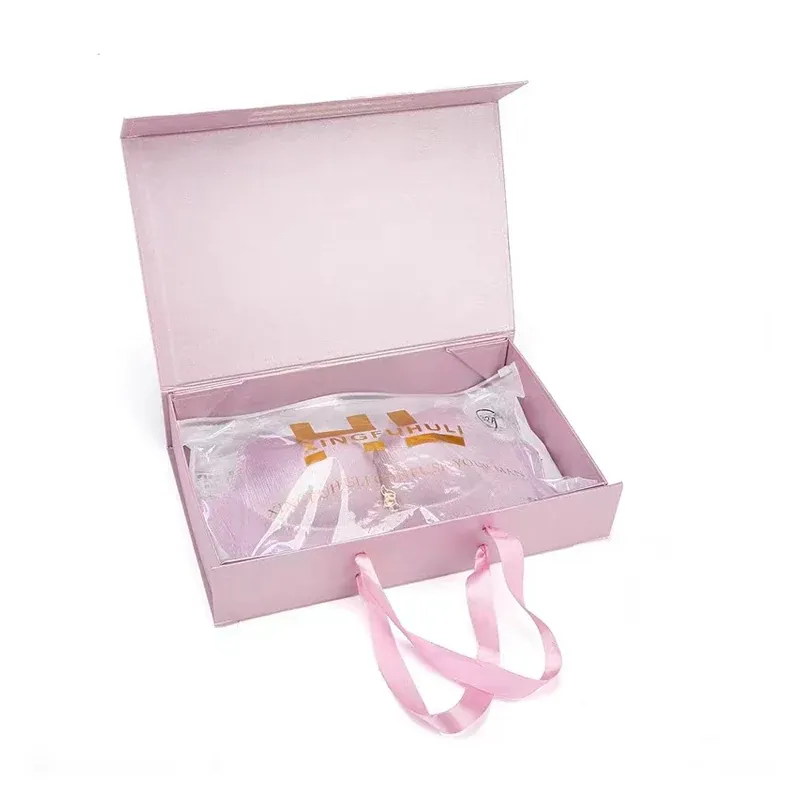
Folding carton, 300-400 g
Cosmetics, food, small electronics. Single-ply carton board, ships flat, prints sharply.
Resources
The numbers behind a packaging quote: board weights, flute types, strength grades, print areas, tooling and how to measure. Written so a buyer can check a supplier's spec sheet without a translator.
Board
Weight, flute, strength grade and coating are the four lines that change both how a box performs and what it costs.
Board reference
A working reference rather than a catalogue. Tell us the product weight and how it travels and we confirm the grade on the quote.
Cosmetics, food, small electronics. Single-ply carton board, ships flat, prints sharply.
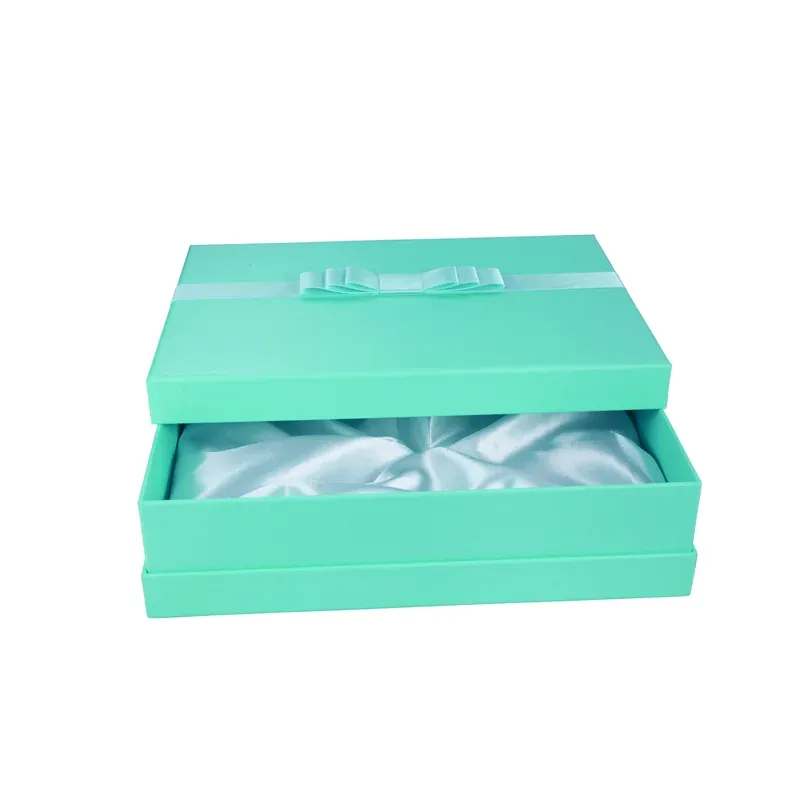
Gift and presentation boxes. Art paper wrapped over grey board, magnets set under the wrap. Holds its shape and a crisp edge.
E-commerce mailers and subscription boxes. Light, printable, survives single-parcel transit.
Shipping cartons and heavier retail packs. More crush resistance, less fine print detail.
Bulk export cartons and heavy industrial parts. Quoted per order because the board is made up.
Uncoated natural board. Prints one or two colours well; pale colours shift on brown.
Strength
Two different tests get quoted and they are not interchangeable. Ask which one is on the sheet.
Measured in lb/in and written as a number such as 32 ECT. It predicts how much a stack of boxes can carry before the walls buckle. This is the number most US buyers quote.
Measured in lb/in² and written as 200 lb or 275 lb. It measures puncture resistance on one wall, not stack strength. A 200 lb burst box is not the same as a 32 ECT box.
Double wall roughly doubles the board thickness and adds a second flute. It costs more and takes a longer run, so it is quoted per order rather than stocked.
A heavier sheet of the same flute is stiffer, but a lighter sheet in a better flute can carry more. Send the packed weight and we size the grade from that.
Print and cost
Printing is priced by the plate and by the make-ready, not by the colour on the screen. These four points explain most of the difference between two quotes.
One plate per colour per side. A two-colour logo needs two plates; adding a Pantone adds another plate and another ink mix.
A logo on one panel costs less than the same logo wrapped across four panels, because the sheet layout and the number of impressions change.
Printing the inside of a box means the sheet goes through the press twice, or the box is printed flat and glued after. Both add cost.
Production runs print offset, whether the quantity is large or small. There is no digital press for production, so plates and make-ready are part of every job.
Prepress
These are the five that most often send a job back. All of them are cheaper to fix before plates are made.
300 dpi at final size for photographs. A logo lifted from a website is usually 72 dpi and breaks up on press.
Artwork extends 3 mm past the trim line on every side, so a small shift does not leave a white edge after cutting.
CMYK for process print, with Pantone references named for spot colours. RGB values do not match on press.
Text converted to outlines, or the font files supplied. Missing fonts substitute silently.
Cut and fold lines on their own layer, set as spot colours, not part of the artwork layer.
Measuring
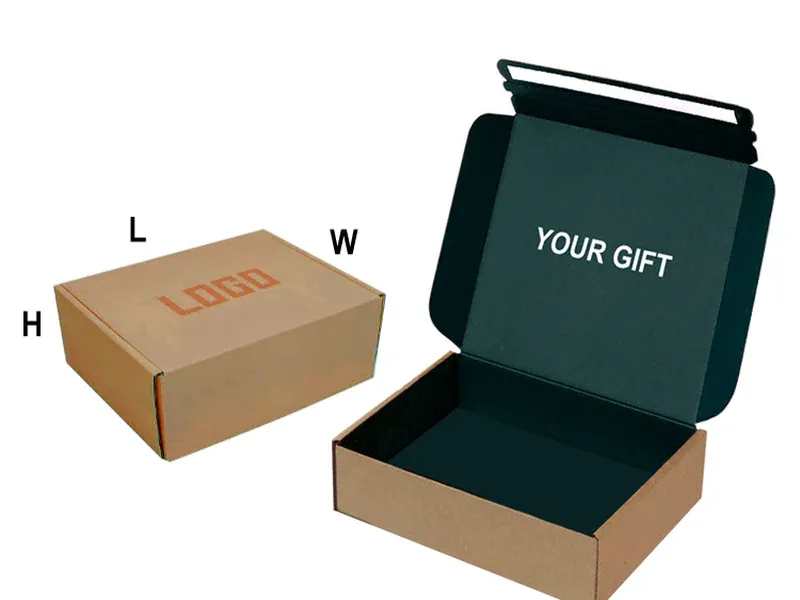
A box listed as 200 × 150 × 80 mm usually means the inside. Measure the product in its packaging position, then add clearance.
Paper wrap, a printed insert and a tissue layer each take up space. Fabric and soft goods need more because they compress unevenly.
Often faster than a drawing: the shape and the way the product sits are visible, and we can confirm the fit before a sample is made.
Dielines
A dieline is a flat drawing of the box. Ask for one before you start designing — it removes most of the prepress work.
Solid lines where the sheet is cut through.
Dashed lines where the board is creased and folded.
The panel that is glued or taped to close the box.
The zone artwork must stay inside so nothing is trimmed off.
Where the artwork must extend past the trim.
Front, back, lid, base and sides labelled, so artwork lands where intended.
Production
The questions that come up before a first order, answered rather than deflected.
If a number is missing here, ask and we will confirm it for your specification.
Next
The reference is only useful if it connects to a real page. These three carry it.
Get a quote
Send the product, its packed weight and how it ships. We confirm the board grade and the construction before quoting.
Inquiry
Share a few details about your packaging request.