01
A certificate carries an expiry date
FSC and recycled-content certificates are valid for a fixed period and audited for renewal. A document from three years ago is not the same as a current one.
Buyer guide · Materials
Paper-based packaging, cut to your product. What decides how easily a box is recycled is the board, the sizing, the insert and the finish — so this page starts there rather than with a green logo.
Four starting points
These are different changes, and they are quoted differently. Most projects pick two.
Recycled content for most constructions; the percentage is confirmed per board.
Board bought as FSC-ready, with the mill paperwork that comes with it.
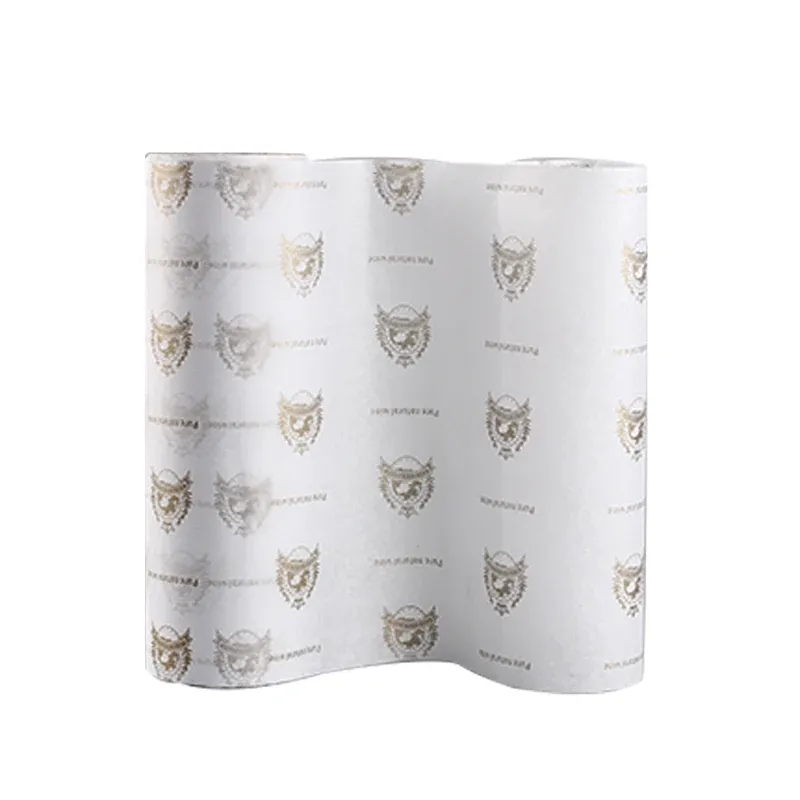
Printed tissue and paper padding instead of bubble wrap or foam.
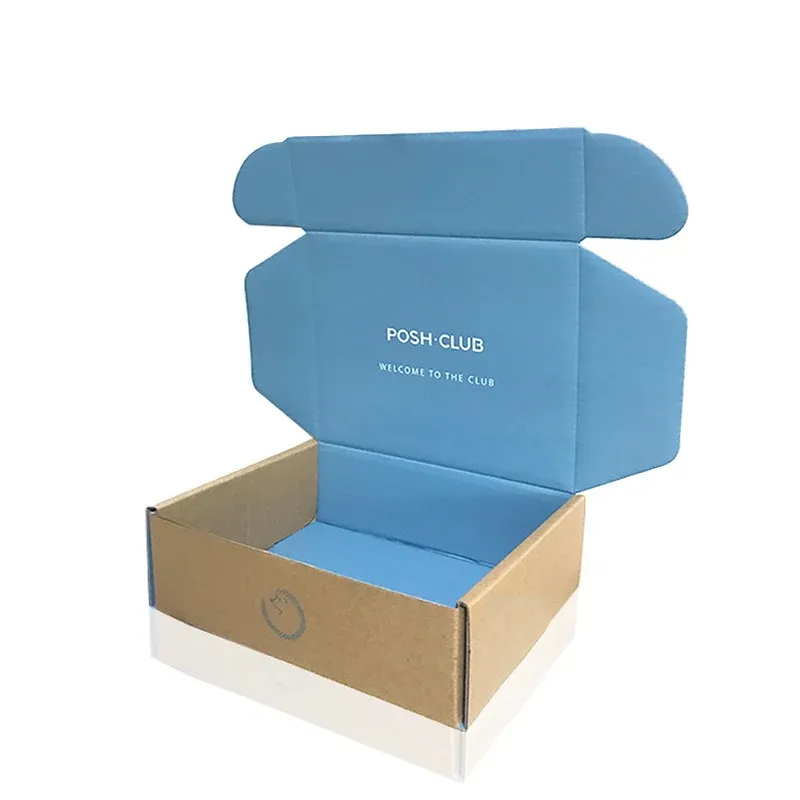
No film laminate, so the sheet stays a single material.
In production
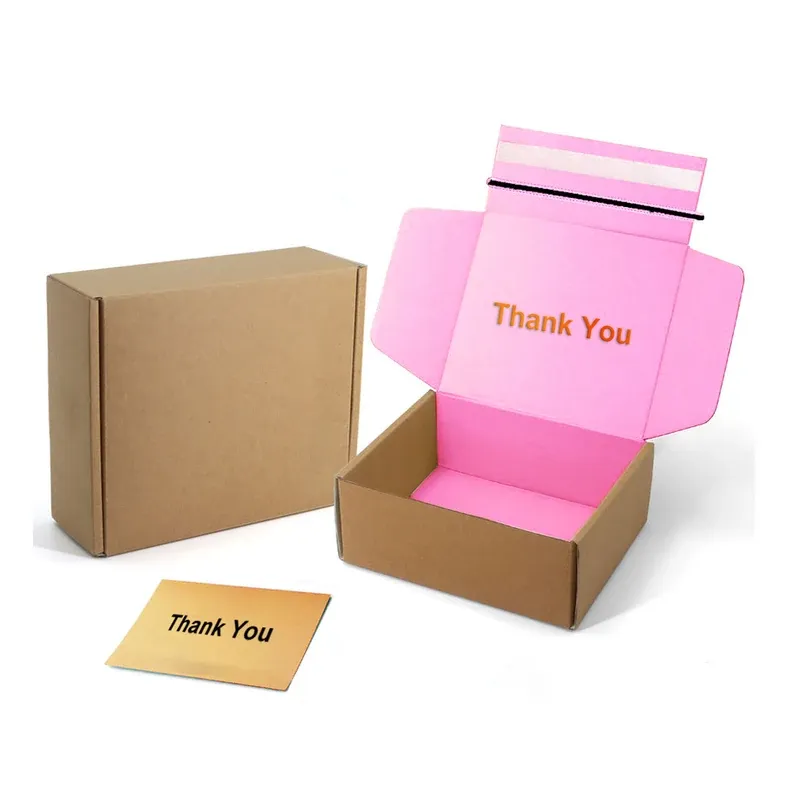
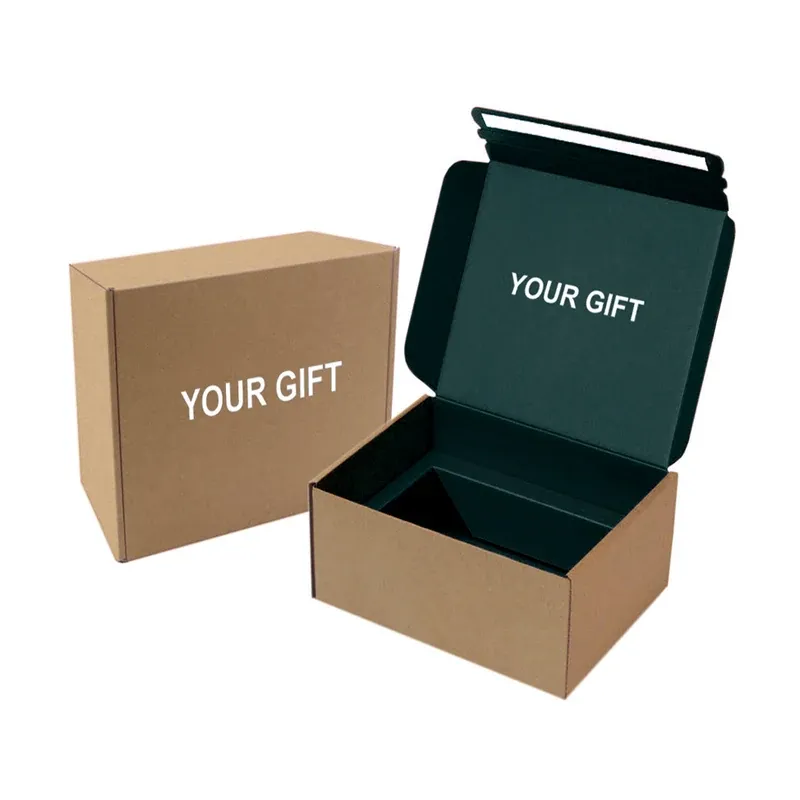
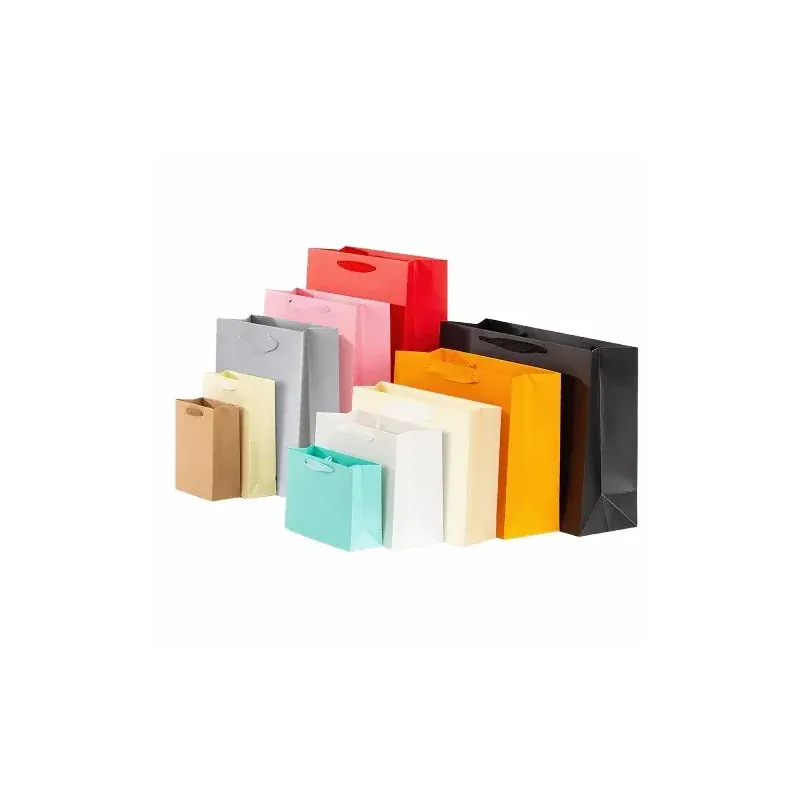
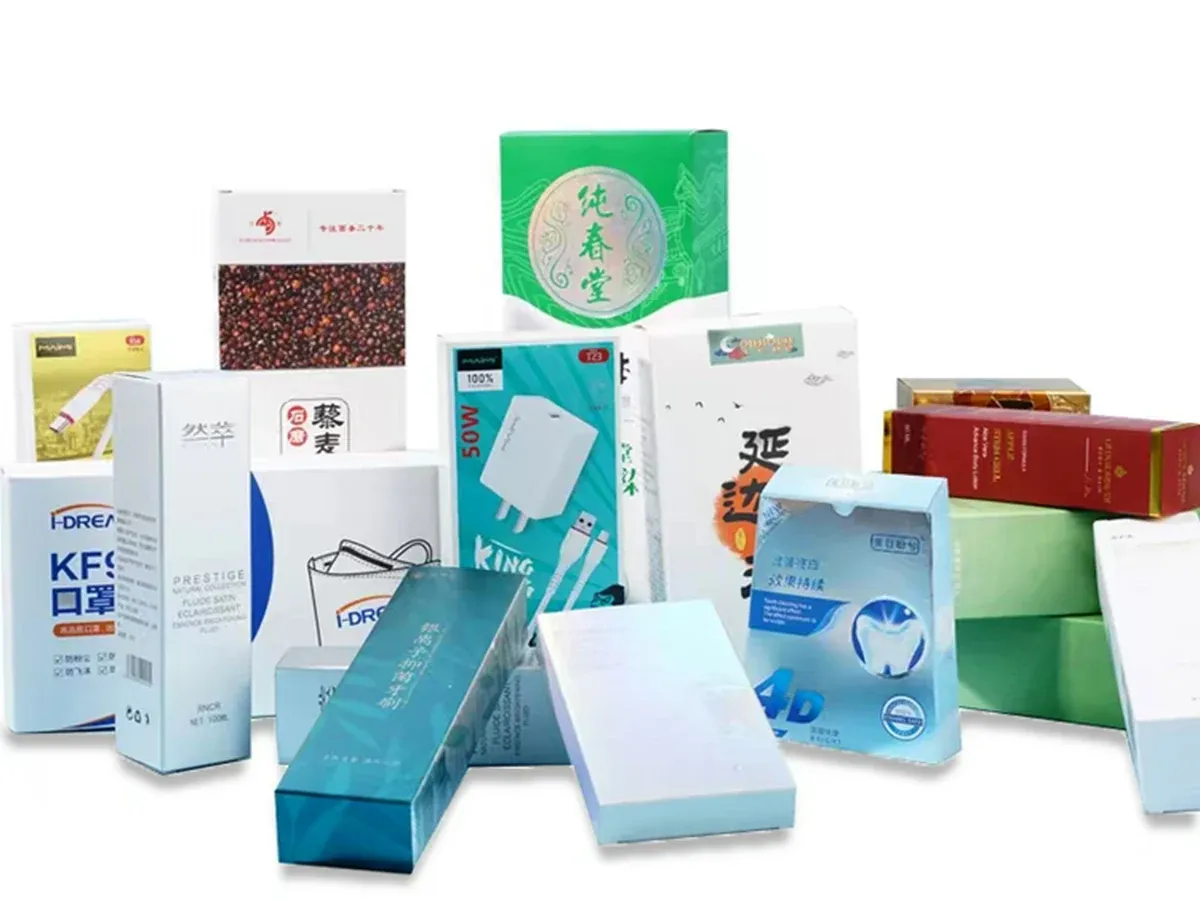
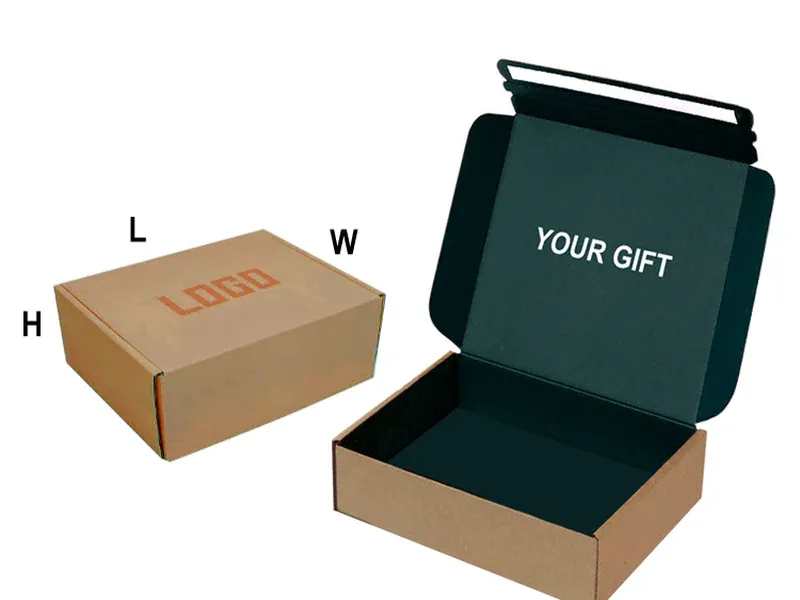
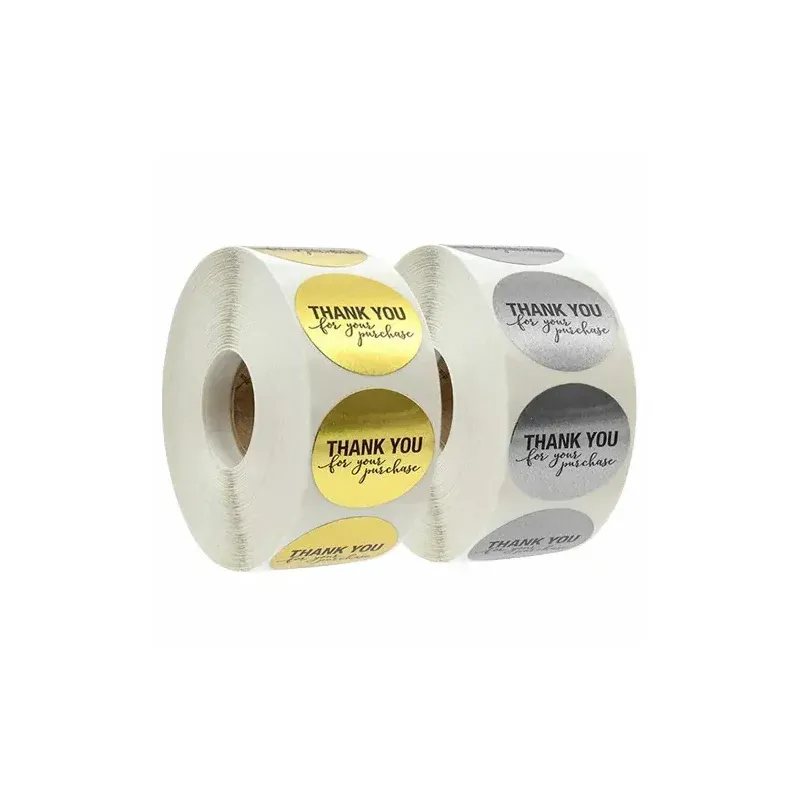
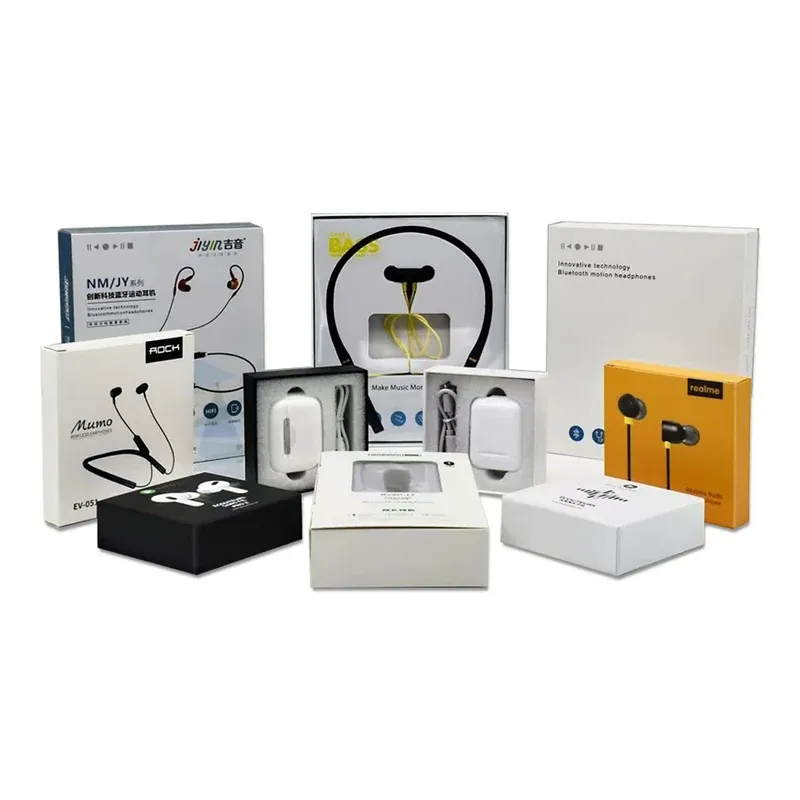
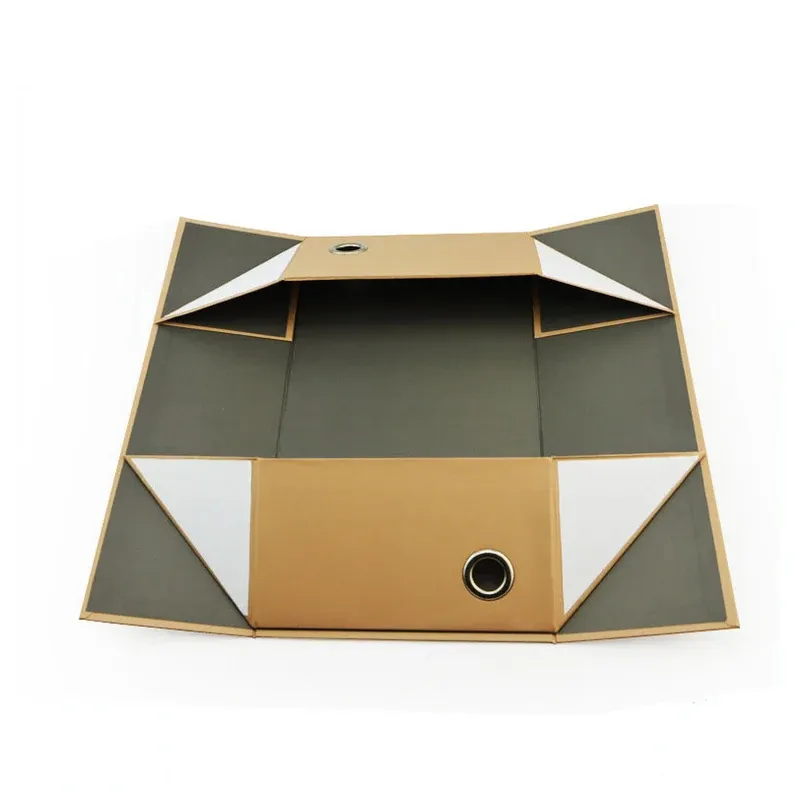
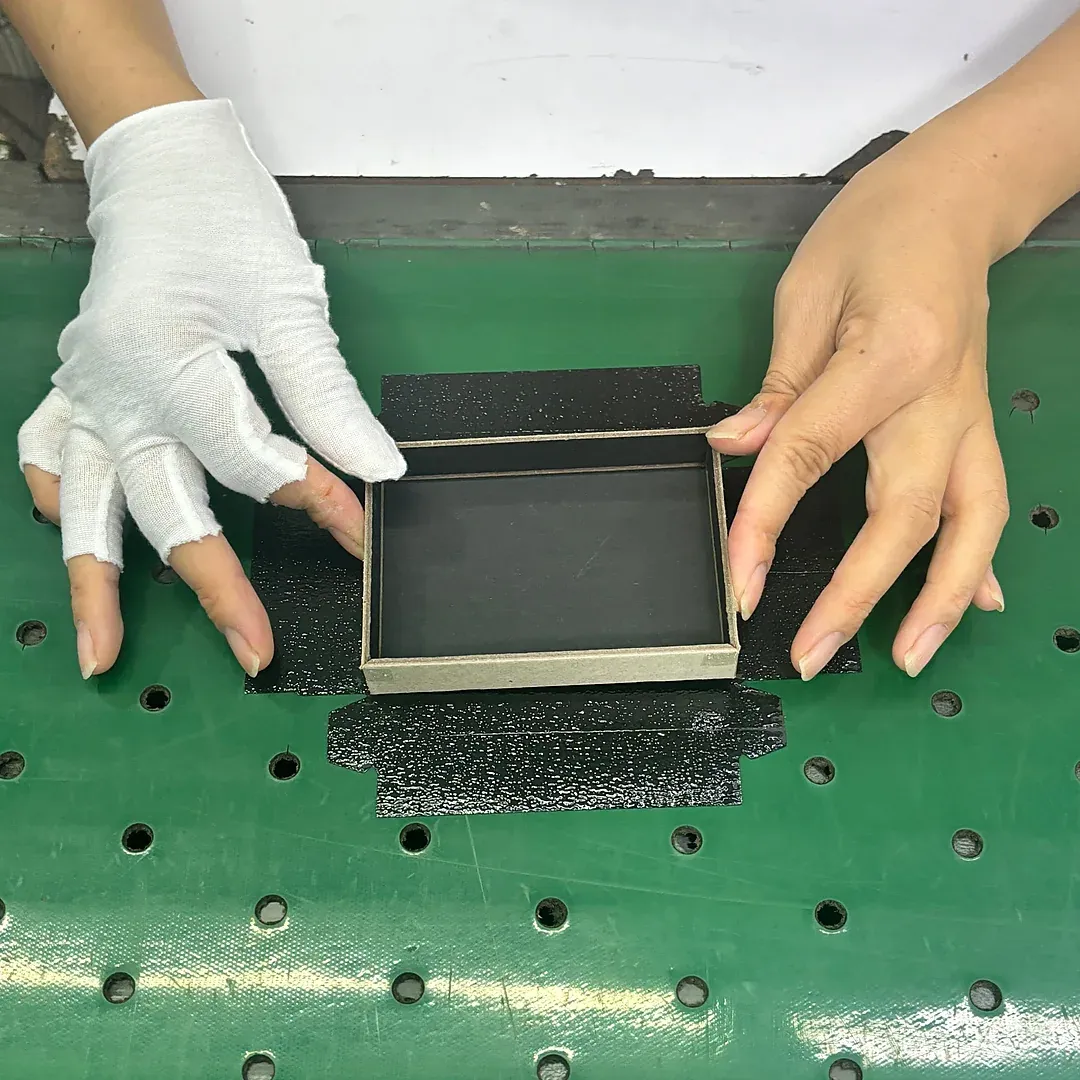
Kraft, recycled board and paper extras from recent runs — the parts of a pack that can stay one material.
Claims and documents
FSC, recycled content and recyclability are backed by paperwork, not adjectives. That paperwork can lapse: certificates expire and renewal costs money, so a mill's file is not always current. We say what the board is and confirm its status per order.
A matte or soft-touch film over printed board looks premium and leaves a plastic layer on the sheet. Uncoated board is the simplest to sort; a laminated box needs the film separated before the paper can be recycled.
A box with a film window, a foam insert and a plastic ribbon is three waste streams. Replacing any one of them with paper reduces what the end customer has to separate.
Material facts
Each of these is confirmed per board at quoting stage rather than assumed from a label.
About certificates
The mills we buy from and our own line both run to the certification requirements. What sometimes lapses is the paperwork, not the process — and we would rather say that than put a logo on a box.
FSC and recycled-content certificates are valid for a fixed period and audited for renewal. A document from three years ago is not the same as a current one.
Audits and renewal fees are paid per certificate. A mill running several of them may stagger the renewals or let one lapse for a year to keep board priced — which is why the file is not always current.
Both the mills we buy from and our own workshop produce to the same certification requirements whether or not the certificate on file is in date.
Tell us the certificate your market requires and we check the current status of the specific board before quoting, rather than promising a logo on the box.
What moves the number
Board is usually the largest share of both material and cost, so sizing comes first — the finish is the last thing to change, not the first.
A box cut to the product uses less board and needs less void fill, and it costs less to freight. This is the cheapest change on the list.
Where the design allows, uncoated board or a varnish keeps the sheet as paper. Soft-touch and matte films are a plastic layer that has to come off.
Corrugated, paper board or moulded pulp trays hold a product the way EVA does and sort with the box. For heavy or fragile items we test the insert before quoting the run.
Folding cartons and flat-packed rigid boxes take far less volume in a container, which cuts freight per unit and the packaging used to protect the packaging.
Buyer questions
The six questions buyers ask when a green brief meets a real specification.
Send your product, market and any claim you need to make, and we will answer with specifics.
Next
The material page lists what each board can do, and the pricing page shows which lines a material change actually touches.
Get a quote
Send your product, the market you sell in, and any claim you need to make on the pack. We reply within 12 hours.
Inquiry
Share your product, size and quantity.